

Have you ever noticed strange noises or difficulty shifting gears in your vehicle? These issues could be linked to something as simple as transfer case fluid. Many drivers overlook this crucial component, but bad fluid can lead to significant problems down the road.
In this article, you’ll learn how poor-quality transfer case fluid can affect your vehicle’s performance and what signs to watch for. Understanding this can save you time and money on repairs, ensuring your ride stays smooth and reliable. Let’s explore the impact of transfer case fluid and how to keep your vehicle in top shape.
Key Takeaways
- Critical Role of Transfer Case Fluid: Transfer case fluid is essential for the smooth operation of 4WD and AWD systems, providing lubrication and heat dissipation for crucial components.
- Signs of Deterioration: Unusual noises (grinding, clunking) and difficulty in shifting gears can indicate bad transfer case fluid, necessitating immediate inspection and possible replacement.
- Potential Damage: Poor-quality transfer case fluid can lead to increased wear, overheating issues, and potential damage to drivetrain components, resulting in costly repairs.
- Maintenance Recommendations: Change transfer case fluid every 30,000 to 60,000 miles, depending on your vehicle’s needs and usage conditions; always refer to your owner’s manual for guidance.
- Regular Inspections: Consistently check fluid levels, monitor condition, look for leaks, and be aware of any unusual sounds to maintain optimal vehicle performance.
Understanding Transfer Case Fluid
Transfer case fluid plays a crucial role in the operation of four-wheel drive (4WD) and all-wheel drive (AWD) systems. Maintaining its quality and appropriate levels sustains vehicle performance and reliability.
What Is Transfer Case Fluid?
Transfer case fluid is a specialized lubricant designed for use in a vehicle’s transfer case. This component splits power between the front and rear axles, enabling smooth operation of all wheels. Transfer case fluid lubricates gears, helps dissipate heat, and protects against wear and tear. It’s essential to use the correct fluid type as specified in your vehicle’s manual, ensuring optimal performance and longevity.
Importance of Transfer Case Fluid
Transfer case fluid directly impacts your vehicle’s handling and performance. Proper fluid maintenance aids in:
- Preventing Wear: Fresh fluid reduces friction between gears, minimizing wear over time.
- Enhancing Efficiency: Clean fluid helps maintain seamless power distribution, improving fuel efficiency.
- Protecting Components: Quality fluid protects vital components from corrosion and heat damage.
Regularly checking and replacing transfer case fluid significantly reduces the risk of problems, such as slipping or binding during operation. Always consult your owner’s manual for fluid change intervals to maintain your vehicle’s reliability.
Signs of Bad Transfer Case Fluid
Recognizing signs of bad transfer case fluid is essential for maintaining your vehicle’s performance. Pay attention to the following indicators.
Recommended Products

Specifically approved for use in GM automatic four-wheel drive vehicles with transfer cases

Long lasting endurance

【Multiple Applications】This transmission fluid pump fits standard quart bottles come with 28mm bottle cap,with an 8cc per pump stroke capacity,Suitable for dozens of uses including oil changes,siphoning gasoline,and transferring a wide range of fluids such as engine oil, biodiesel, kerosene, or shampoo,detergent.
Unusual Noises
Unusual noises often signal transfer case fluid issues. Listen for grinding, clunking, or whining sounds when you engage the 4WD or AWD system. These noises indicate inadequate lubrication or possible gear damage due to old fluid. If you notice these sounds, check the fluid level and condition immediately.
Difficulty Shifting Gears
Difficulty shifting gears may arise from contaminated or low transfer case fluid. You might experience delays or resistance while changing to or from 4WD. In some cases, the vehicle may pop out of gear unexpectedly. Address these issues swiftly by inspecting the fluid for dirt or debris and replacing it if necessary.
Potential Problems Caused by Bad Transfer Case Fluid
Bad transfer case fluid can lead to various serious problems in your vehicle’s drivetrain. Being aware of these potential issues can help you take preventive measures and ensure a smooth driving experience.
Recommended Products

Efficient Pumping: This fluid transfer pump comes with two different height suction tubes for quart bottles of different heights, making it easy to reach the bottom of the bottle. Easily control the amount of fluid pumped out without worrying about overfilling, making oil change operations easier on boats and vehicles.

[High-quality Materials] The lower gear oil pump is made of high-quality materials, which is durable and ensures fast and precise refilling of lubricating oil for the lower device of the marine engine, and is easy to use.
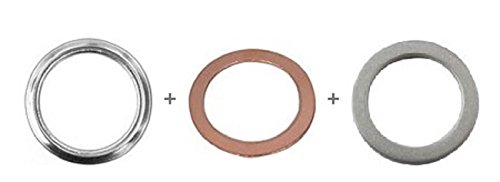
GENUINE TOYOTA GASKET KIT
Increased Wear and Tear
Inadequate transfer case fluid causes increased friction between moving parts. This friction accelerates wear and tear on components like gears and bearings, potentially leading to costly repairs or replacements. If you ignore fluid degradation, it often results in reduced performance over time. For instance, if your vehicle starts experiencing strange noises or if 4WD engagement becomes rough, these symptoms may indicate that the fluid isn’t performing its job effectively.
Overheating Issues
Poor-quality transfer case fluid can lead to overheating. When the fluid fails to lubricate properly, it can’t dissipate heat efficiently. Overheating can cause damage to internal components, including seals and bushings, resulting in leaks. If you notice your vehicle running hotter than usual, check the transfer case fluid immediately. Regular fluid changes can prevent this overheating issue and protect engine performance, ensuring that your vehicle runs smoothly under all conditions.
Maintaining Transfer Case Fluid
Maintaining transfer case fluid is crucial for ensuring your vehicle’s 4WD and AWD systems function efficiently. Regular checks and timely replacements help prevent potential problems.
Recommended Products

FlexFill squeezable pouch releases 2X more fluid with less effort for 3X faster filling vs. traditional bottle packaging
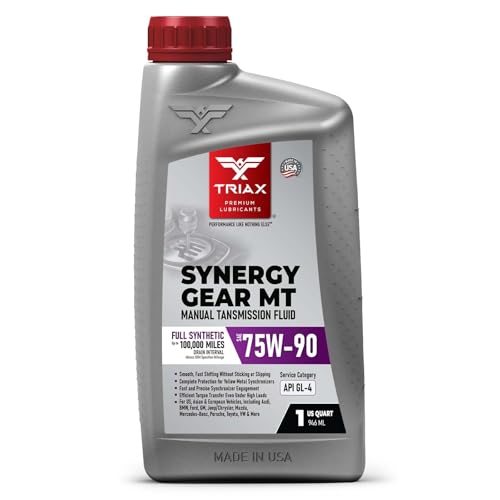
WIDE RANGE OF NORTH AMERICAN, EUROPEAN, AND ASIAN OEMs — Suitable for use where the following are required: VW/Audi G 052 911, G 005 000, 501.5 · BMW MTF-LT-4 · Mercedes-Benz 235.11 · Ford M2C175-A, XT-4-QGL · GM/GM-Daewoo 12345871, 89021806 · Toyota 08885-80917 · Mazda (MES) 115A · Hyundai/Kia 08950-00010-A · Nissan Mission Oil MP-G HQ · Jeep 0489722AA · New Venture Gear NV 4500 - and many other applications.

Works in tight spaces and makes gear oil easier to use
Recommended Fluid Change Intervals
Change the transfer case fluid every 30,000 to 60,000 miles, depending on your vehicle’s manufacturer recommendations. Refer to your owner’s manual for specific guidelines. If you frequently drive in harsh conditions, such as towing or off-roading, consider more frequent changes. Keeping track of your last fluid change can help you stay on schedule.
- Inspect Fluid Levels: Regularly check the fluid level. If it’s low, top it off with the recommended fluid type.
- Monitor Fluid Condition: Look for changes in color and consistency. Fresh transfer case fluid should be clear to light amber. Dark or cloudy fluid indicates contamination.
- Look for Leaks: Regularly inspect underneath your vehicle for fluid leaks. Catching them early can save on repair costs.
- Test for Unusual Noises: Pay attention to any grinding or humming sounds when shifting into 4WD. These might indicate fluid issues or component wear.
- Professional Inspections: Schedule routine maintenance with a mechanic who can check fluid quality and identify potential problems early.
Conclusion
Taking care of your transfer case fluid is key to keeping your vehicle running smoothly. By staying on top of fluid checks and changes you can avoid costly repairs down the road. Remember to listen for unusual noises and watch for any leaks as these could be signs that something’s off.
Regular maintenance not only enhances your vehicle’s performance but also extends its lifespan. So don’t overlook those fluid levels and make sure to get your transfer case inspected regularly. Your vehicle will thank you with a smoother ride and fewer headaches.
Frequently Asked Questions
What is transfer case fluid, and why is it important?
Transfer case fluid lubricates and cools the components of a vehicle’s 4WD and AWD systems. It’s crucial because it ensures smooth operation, prevents wear and tear, and protects internal parts from overheating. Maintaining the right fluid level and quality is key to your vehicle’s performance.
How do I know if my transfer case fluid needs changing?
Signs that your transfer case fluid may need changing include unusual noises when shifting gears, difficulty in transitioning between drive modes, and visible leaks under your vehicle. Regular inspections can also help identify issues early on.
How often should I change my transfer case fluid?
It’s recommended to change transfer case fluid every 30,000 to 60,000 miles, or more frequently if you drive under harsh conditions. Regular changes help maintain vehicle performance and prevent costly repairs associated with bad fluid.
What are signs of bad transfer case fluid?
Signs of bad transfer case fluid include unusual noises, grinding gears, difficulty in shifting, and leaks. Poor-quality fluid can lead to overheating and increased wear on critical components, impacting the vehicle’s overall performance.
Can I inspect my transfer case fluid myself?
Yes, you can inspect your transfer case fluid by checking the level and looking for discoloration or contaminants. It’s also important to listen for unusual noises from the transfer case. However, professional inspections are advisable for thorough assessments.
What happens if I ignore transfer case fluid maintenance?
Ignoring transfer case fluid maintenance can lead to increased wear on gears and bearings, resulting in costly repairs. Additionally, poor-quality fluid may cause overheating and leaks, damaging internal components and compromising your vehicle’s performance.
