

Ever wondered how to keep your vehicle running smoothly? Regular maintenance is key, and draining transfer case fluid is an essential part of that process. If you’ve noticed unusual noises or difficulty shifting gears, it might be time to check this often-overlooked component.
Draining transfer case fluid can seem daunting, but it doesn’t have to be. With the right tools and a little guidance, you can tackle this task yourself. Not only will you save money on mechanic fees, but you’ll also gain a better understanding of your vehicle’s inner workings. Let’s walk through the steps together and get your ride back in top shape.
Key Takeaways
- Understanding Transfer Case Fluid: Essential for lubricating gears, cooling, and cleaning, maintaining fresh fluid enhances your vehicle’s drivetrain lifespan.
- Signs of Fluid Issues: Be alert for unusual noises, difficulty shifting gears, fluid color changes, and leaks, which indicate the need for a fluid drain.
- Preparation is Key: Gather necessary tools like a socket wrench set, drain pan, funnel, and safety gear, and ensure your vehicle is parked on level ground and cooled down.
- Step-by-Step Draining Process: Locate the drain plug, drain old fluid, clean the area, inspect the plug, and prepare for refill to ensure effective maintenance.
- Proper Refilling Technique: Use the correct type of fluid as per the owner’s manual, fill the transfer case until the fluid flows from the fill hole, and securely reinstall the fill plug.
- Regular Maintenance Schedule: Change transfer case fluid every 30,000 to 60,000 miles, depending on driving conditions, and monitor fluid condition to avoid potential damage.
Understanding Transfer Case Fluid
Transfer case fluid plays a vital role in the function of your vehicle’s drivetrain. It lubricates the gears within the transfer case, ensuring smooth operation and preventing wear over time. Regular maintenance of this fluid can enhance the overall lifespan of your vehicle.
Importance of Transfer Case Fluid
Transfer case fluid serves several key purposes:
- Lubrication: It reduces friction between moving parts, preventing overheating and minimizing wear.
- Cooling: It dissipates heat generated during operation, which maintains optimal temperatures.
- Cleaning: It helps remove contaminants and debris within the transfer case, contributing to better performance.
Maintaining fresh transfer case fluid can prevent costly repairs and extend the life of your vehicle’s drivetrain.
Signs that Fluid Needs Draining
Look for these signs that indicate a need to drain transfer case fluid:
- Unusual Noises: Grinding or clunking sounds can suggest insufficient lubrication.
- Difficulty Shifting: Hard or sticky gear changes may signal degraded fluid.
- Fluid Color Changes: Dark, cloudy, or milky fluid indicates contamination.
- Fluid Leaks: Puddles or spots beneath your vehicle point to potential leakage.
Promptly addressing these signs can prevent more extensive damage and ensure smooth operation of your vehicle.
Preparing for the Fluid Drain
Preparing for the fluid drain ensures a smooth process and helps you handle the task safely and efficiently. Collect the right tools and take necessary safety precautions before you start.
Recommended Products

PROFESSIONAL TRANSMISSION FLUID PUMP: Our transmission fluid pump kit is a set of tools designed to help transfer transmission fluid efficiently during maintenance or repair procedures. It typically includes a hand-operated pump, hoses, 13pcs ATF adapters, rotate control handle and instructions for proper usage
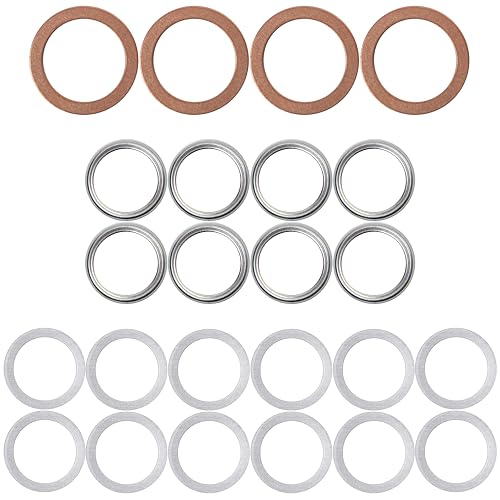
Reliable Plug Washers: For the maintenance of your vehicle, even smallest components can make a difference. Prime Ave's Front & Rear Differential and Automatic Transmission Plug Washers are designed to provide a tight, leak-free seal. Our aluminum crush washer protects your vehicle’s vital systems from fluid leaks that could compromise performance.

🚙【WIDE COMPATIBILITY】 32-piece complete ATF adapter kit works with Nissan Mercedes-Benz Infiniti GM Volkswagen Ford Lexus Audi Toyota BMW Porsche Skoda Honda Volvo and Citroen for automatic transmission fluid maintenance
Tools and Materials Needed
- Socket Wrench Set: Use this for removing bolts on the transfer case.
- Drain Pan: Place this under the transfer case to catch the old fluid.
- Funnel: Utilize a funnel for adding new fluid without spills.
- New Transfer Case Fluid: Check your vehicle’s manual for the correct type and quantity of fluid.
- Rags or Towels: Keep these handy for cleaning any spills or wiping tools.
- Safety Gloves: Use these to protect your hands from harmful chemicals in the fluid.
- Safety Glasses: Wear these to shield your eyes from drips and splashes.
- Park on Level Ground: Ensure your vehicle sits on a flat surface to prevent spills.
- Engage the Parking Brake: Always engage the brake to prevent movement while working.
- Wear Protective Gear: Use gloves and glasses to stay safe from fluids.
- Allow the Vehicle to Cool: Don’t attempt to drain fluid from a hot transfer case; allow adequate cooling time.
- Work in a Well-Ventilated Area: Ensure good airflow to avoid inhaling harmful fumes from the fluid.
- Properly Dispose of Old Fluid: Follow local regulations for disposing of used fluid to prevent environmental harm.
Step-by-Step Guide on How to Drain Transfer Case Fluid
Draining transfer case fluid involves a series of clear steps. Follow this guide to ensure an efficient and safe process.
Recommended Products


Recommended replacement part for your vehicle’s original factory component

Premium Quality Materials: Our crush washer are made of durable copper, aluminum, and alloy steel materials respectively, which can ensure long-lasting performance. These materials are rigorously selected and tested, and have the characteristics of pressure resistance, wear resistance. They are able to operate stably for a long time in a variety of harsh working environments to ensure the normal operation of the differential transfer case.
Locating the Drain Plug
- Identify the Transfer Case: It’s typically located beneath the vehicle, near the transmission.
- Find the Drain Plug: The drain plug is usually a hex or square-shaped bolt. Check the owner’s manual for exact location details.
- Check for Accessibility: Ensure you can easily reach the drain plug without obstruction. If necessary, lift the vehicle with a jack and secure it with jack stands.
Draining the Old Fluid
- Place the Drain Pan: Position a drain pan directly under the drain plug to catch old fluid.
- Remove the Drain Plug: Use the appropriate socket wrench to loosen and remove the plug. Allow fluid to fully drain into the pan.
- Inspect Old Fluid: Check the old fluid for any metal shavings or discoloration, which might indicate potential issues.
- Clean the Area: Wipe the area around the drain hole with a clean cloth to remove any debris or old fluid.
- Inspect the Drain Plug: Examine the drain plug for any signs of wear or damage. Replace it if necessary.
- Ensure Sealing Surface is Smooth: Look for any nicks or irregularities on the gasket surface that might compromise sealing upon reinstallation.
By following these steps, you ensure a proper fluid change and maintain your vehicle’s performance.
Refilling Transfer Case with New Fluid
Refilling the transfer case with new fluid maintains optimal vehicle performance. Follow these steps to ensure a proper refill.
Recommended Products

【Multiple Applications】This transmission fluid pump fits standard quart bottles come with 28mm bottle cap,with an 8cc per pump stroke capacity,Suitable for dozens of uses including oil changes,siphoning gasoline,and transferring a wide range of fluids such as engine oil, biodiesel, kerosene, or shampoo,detergent.

[High-quality Materials] The lower gear oil pump is made of high-quality materials, which is durable and ensures fast and precise refilling of lubricating oil for the lower device of the marine engine, and is easy to use.

【TWO-WAY TRANSMISSION FILL PUMP】 Combines fluid dispensing and vacuum extraction in one air-operated system. Insert and tighten the control plug for dispensing, or remove the plug for extraction, allowing quick switching between removing old fluid and refilling during transmission service.
Choosing the Right Fluid Type
Choosing the right fluid type is essential for your transfer case’s health. Check your vehicle’s owner’s manual for specifications on fluid viscosity and type. Common options include:
- ATF (Automatic Transmission Fluid): Often used in automatic transfer cases.
- Gear Oil: Typically specified for manual transfer cases; look for multi-viscosity ratings.
- Synthetic Fluids: Provide superior temperature stability and protection.
Using the wrong fluid can damage components. Always confirm compatibility before purchasing.
How to Properly Refill
To properly refill the transfer case, follow these steps:
- Position the Vehicle: Ensure the vehicle is on a level surface to promote accurate fluid levels.
- Locate the Fill Plug: Find the fill plug on the transfer case; it’s usually on the side.
- Use a Pump: A fluid pump makes it easier to transfer fluid. Attach the pump to the new fluid container.
- Remove the Fill Plug: Cautiously unscrew the fill plug using the appropriate tool.
- Fill the Transfer Case: Insert the pump’s nozzle into the fill hole. Pump the new fluid until it starts to flow out of the fill hole, indicating it’s full.
- Reinstall the Fill Plug: Secure the fill plug back in place. Ensure it’s tight to prevent leaks.
Following these instructions guarantees optimal fluid levels and performance of the transfer case. Check for leaks after refilling and monitor the fluid level periodically.
Maintenance Tips for Transfer Case Fluid
Regular maintenance of transfer case fluid ensures your vehicle performs efficiently. Proper intervals and awareness of common mistakes significantly enhance your vehicle’s longevity.
Recommended Drain Intervals
Change the transfer case fluid every 30,000 to 60,000 miles. This interval may vary depending on driving conditions. If you frequently drive in harsh environments, consider draining the fluid more often. Always consult your owner’s manual for specific recommendations tailored to your vehicle model. Observing these intervals keeps your transfer case functioning smoothly.
- Ignoring Fluid Condition: Monitor the fluid color and texture. Dark or gritty fluid indicates it’s time for a change.
- Using Wrong Fluid Type: Verify the type of fluid compatible with your transfer case. Using the incorrect fluid can cause damage.
- Forgetting to Seal Connections: Ensure all plugs are tightened after draining or refilling. Loose connections can lead to fluid leaks.
- Rushing the Process: Take your time. Proper draining and filling require attention to detail, which prevents future issues.
- Neglecting Tools: Use the right tools, like a fluid pump, to avoid spills and make the job easier.
By following these tips, you enhance the performance of your transfer case and extend the life of your vehicle.
Conclusion
Taking care of your transfer case fluid is a simple yet crucial part of vehicle maintenance. By regularly draining and refilling the fluid you can keep your drivetrain running smoothly and efficiently. Remember to keep an eye on the fluid condition and stick to the recommended intervals for changes.
Using the right tools and taking your time will make the process easier and more effective. With a little attention to this often-overlooked task you’ll not only enhance your vehicle’s performance but also extend its lifespan. Happy driving!
Frequently Asked Questions
Why is regular transfer case fluid maintenance important?
Regular transfer case fluid maintenance is crucial for optimal vehicle performance. The fluid lubricates the drivetrain, preventing wear and avoiding costly repairs. By draining and refilling the fluid, you ensure smooth operation and extend the lifespan of your vehicle.
How often should I change the transfer case fluid?
It is recommended to change the transfer case fluid every 30,000 to 60,000 miles. Regular checks and timely maintenance help maintain optimal performance and prevent potential drivetrain issues.
What are the signs that indicate a fluid change is needed?
Signs you may need a fluid change include difficulty shifting gears, unusual noises from the transfer case, fluid discoloration, or a burnt smell. If you notice any of these symptoms, it’s best to check the fluid.
What type of fluid should I use for my transfer case?
Always refer to your vehicle’s owner manual for the correct transfer case fluid type. Using the appropriate fluid ensures proper lubrication and performance, helping avoid damage and maintaining efficiency.
How do I drain and refill the transfer case fluid?
To drain and refill transfer case fluid, first, locate the drain plug and remove it to let the old fluid out. Then, replace the plug, use a fluid pump to add new fluid through the fill plug, and ensure you fill it to the recommended level. Always properly seal connections.
Can I perform transfer case fluid maintenance myself?
Yes, you can perform transfer case fluid maintenance yourself if you have the right tools like a fluid pump and follow the detailed steps. However, ensure you take your time and work carefully to avoid mistakes.
