

Have you ever wondered what keeps your vehicle’s four-wheel drive running smoothly? If you’ve noticed unusual sounds or performance issues, the answer might lie in transfer case fluid. This often-overlooked component plays a crucial role in ensuring your car can handle different terrains and driving conditions.
Understanding transfer case fluid can save you from costly repairs and enhance your vehicle’s performance. In this article, you’ll learn what it is, why it’s important, and how to maintain it. By the end, you’ll feel confident in taking care of this essential part of your vehicle, making every drive a smoother experience.
Key Takeaways
- Definition and Role: Transfer case fluid is essential for lubricating, cooling, and protecting the gears in a vehicle’s four-wheel drive system, ensuring smooth operation under various driving conditions.
- Types of Fluid: The main types of transfer case fluid include Automatic Transmission Fluid (ATF), gear oil, and manufacturer-specific fluids, facilitating different performance levels based on vehicle needs.
- Importance of Maintenance: Regular checks of transfer case fluid levels, periodic changes every 30,000 to 60,000 miles, and monitoring for contamination are critical to prolonging the life of the transfer case and enhancing vehicle performance.
- Signs of Issues: Look out for indicators that suggest fluid problems, such as difficulty shifting gears, unusual noises, fluid discoloration, or burnt odor, to address maintenance needs promptly.
- Choosing the Right Fluid: Selecting the appropriate fluid type (conventional or synthetic) based on driving habits and conditions is important for optimal transfer case performance and longevity.
- Checking Fluid Levels: Regular inspection of transfer case fluid levels involves checking for clarity and sound consistency and ensuring levels meet manufacturer specifications to avoid overheating and operational failures.
What Is Transfer Case Fluid?
Transfer case fluid plays a vital role in your vehicle’s four-wheel drive system. This fluid lubricates and cools the gears within the transfer case, ensuring smooth operation during various driving conditions.
Types of Transfer Case Fluid
- Automatic Transmission Fluid (ATF):
- Commonly used in many vehicles, it provides excellent lubricating properties.
- Gear Oil:
- Designed for heavy-duty use, gear oil offers enhanced protection under extreme conditions.
- Manufacturer-Specific Fluids:
- Certain automakers recommend specific fluids for optimal performance. Consult your owner’s manual for details.
Importance of Transfer Case Fluid
- Prevents Wear and Tear: Proper fluid levels reduce friction, prolonging the life of your transfer case.
- Improves Performance: Smooth gear movement enhances handling in various terrains.
- Prevents Overheating: Adequate lubrication helps control temperatures within the transfer case, preventing damage.
Maintenance Tips
- Check Fluid Levels: Regularly inspect the transfer case fluid to ensure it meets manufacturer specifications. A dipstick checks fluid levels if equipped.
- Change Fluid Periodically: Follow the recommended intervals in your owner’s manual, usually every 30,000 to 60,000 miles.
- Look for Contamination: Check for dark, gritty fluid, indicating impurities. If you’ll notice changes, replace the fluid immediately.
Common Questions
-
How Do I Know If I Need to Change the Fluid?
- Watch for signs like difficulty shifting gears, unusual noises, or warning lights on the dashboard.
- Always use the fluid specified by your vehicle’s manufacturer to avoid potential damage.
Understanding transfer case fluid’s importance helps maintain your vehicle’s performance, enhancing your driving experience.
Importance of Transfer Case Fluid
Transfer case fluid plays a vital role in your vehicle’s four-wheel drive system. It ensures smooth operation and enhances overall performance in different driving conditions.
Recommended Products

Full-synthetic transfer case fluid for on-demand and full-time AWD/4x4 systems across European, Asian and US OEMs. Applications include Porsche Cayenne/Macan, BMW xDrive, Audi Quattro, Land Rover/Range Rover, Nissan, Mercedes-Benz 4MATIC (MB 239.41 Torque-on-Demand), Genesis/Kia TF-0870B (G70, G80, G90, Stinger AWD).

Some GM Genuine Parts may have formerly appeared as ACDelco GM Original Equipment (OE)

HIGH PERFORMANCE - gear protection and longer synchro life, Satisfies the gear oil viscosity requirements of 70W & 75W
Functions of Transfer Case Fluid
- Lubrication: Transfer case fluid reduces friction between moving parts, helping gears operate smoothly and efficiently.
- Cooling: Fluid dissipates heat generated during operation, preventing overheating and potential damage.
- Protection: The fluid acts as a barrier against contaminants, reducing wear on mechanical components.
- Breaking in: An initial application of fluid aids in the proper settling of new parts within the transfer case.
- Increased Wear: Low or old fluid can cause gears to wear prematurely, leading to costly repairs.
- Overheating: Insufficient cooling can result in overheating, which damages internal components.
- Operational Failures: Neglected fluid may lead to malfunctioning of the four-wheel drive system, affecting traction and handling.
- Fluid Contamination: Old fluid can become contaminated with dirt and debris, further impairing performance.
Ensuring proper maintenance of transfer case fluid keeps your vehicle running efficiently and prolongs the lifespan of its components.
Types of Transfer Case Fluid
Transfer case fluid comes in two primary types: conventional and synthetic. Each type serves specific needs and has different properties beneficial for your vehicle.
Recommended Products

Specifically approved for use in GM automatic four-wheel drive vehicles with transfer cases

2-PACK – 2 LITERS TOTAL Includes two 1-liter bottles of GM Transfer Case Auto Fluid, Part Number 19540587, providing 2 liters of fluid total.

Meets the challenging demands of different all-wheel and four-wheel drive vehicles with multi-powered axles
Conventional Transfer Case Fluid
Conventional transfer case fluid is petroleum-based. This fluid provides adequate lubrication and protection for standard driving conditions. It contains additives that help resist thermal breakdown and reduce oxidation. When to use this type? Typically, you’d consider conventional fluid for older vehicles or those primarily used for everyday driving without extreme conditions.
Examples of conventional transfer case fluids include:
- Dexron III/Mercon: Often used in older four-wheel drive systems.
- ATF-based fluids: Suitable for many traditional transfer cases.
Synthetic Transfer Case Fluid
Synthetic transfer case fluid consists of engineered compounds, offering superior performance in harsh conditions. This type of fluid resists thermal degradation, provides better lubrication at low temperatures, and often lasts longer than conventional fluid. If you frequently drive in extreme conditions, synthetic fluid will enhance performance and longevity.
Examples of synthetic transfer case fluids include:
- Mobil 1 Synthetic ATF: Known for its excellent cold-weather performance.
- Amsoil Synthetic Gear Oil: Designed for high-stress applications in four-wheel drive systems.
Selecting the right transfer case fluid depends on your vehicle type, driving habits, and environmental conditions. Consider these factors to maintain optimal transfer case performance.
How to Check Transfer Case Fluid
Checking transfer case fluid is straightforward and essential for vehicle maintenance. Regular checks help ensure smooth operation and prevent potential issues.
Recommended Products
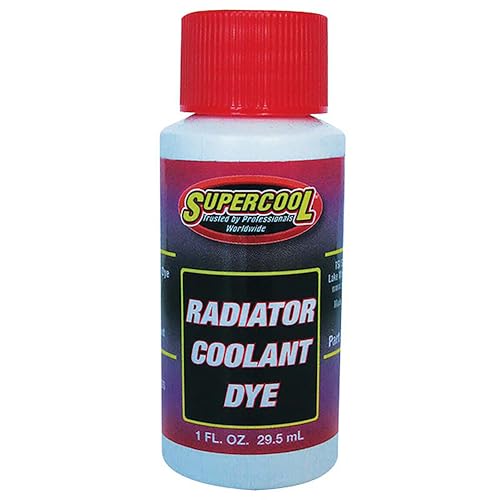
Includes Synthetic U/V Leak Detection Dye

Long lasting endurance

Some ACDelco GM Original Equipment parts may have formerly appeared as GM Genuine Parts (OE) or ACDelco Professional
Steps for Checking Fluid Level
- Park Your Vehicle: Ensure your vehicle is on a level surface. Engage the parking brake for safety.
- Locate the Transfer Case: Find the transfer case underneath your vehicle. Typically, it’s found between the transmission and the front differential.
- Check Fluid Level:
- Remove the fill plug using a wrench.
- Stick your finger into the hole. The fluid should be near the bottom of the plug hole.
- If the fluid doesn’t reach your finger, it’s low.
- Inspect Fluid Condition:
- Look for a clear or light-colored fluid. If it’s dark brown or has a burnt smell, it needs changing.
- Check for contaminants or metal shavings.
- Reinsert the Plug: Make sure to securely replace the fill plug once you finish checking.
Signs of Fluid Contamination
Contaminated transfer case fluid can lead to serious damage. Watch for these warning signs:
- Discoloration: Dark, murky fluid indicates breakdown or contamination.
- Burnt Odor: If the fluid smells burnt, it’s time for a replacement.
- Metal Shavings: Find any metallic particles? These could signal severe wear on internal components.
- Fluid Leaking: Any fluid puddles under your vehicle suggest a leak, which should be addressed immediately.
By regularly checking the transfer case fluid and being aware of contamination signs, you can keep your vehicle’s four-wheel drive system performing optimally.
Conclusion
Taking care of your transfer case fluid is essential for keeping your vehicle running smoothly. Regular checks and maintenance can save you from costly repairs down the road. Whether you choose conventional or synthetic fluid make sure it meets your vehicle’s specifications. By staying proactive you’ll help ensure your four-wheel drive system performs at its best and can handle whatever the road throws your way. So don’t overlook this crucial aspect of vehicle care and keep your ride in top shape.
Frequently Asked Questions
What is transfer case fluid, and why is it important?
Transfer case fluid lubricates and cools the components of a vehicle’s four-wheel drive system. It is essential for ensuring smooth operation and preventing wear, tear, and overheating of the transfer case.
How often should I check my transfer case fluid?
It’s recommended to check your transfer case fluid at least once every 30,000 miles or during regular maintenance. Regular checks help ensure optimal performance and highlight any potential issues early.
How do I check my transfer case fluid level?
To check the fluid level, locate the transfer case, remove the fill plug, and insert your finger to feel for the fluid level. The fluid should be near the bottom of the fill hole.
What are signs that my transfer case fluid might be contaminated?
Signs of contamination include a burnt smell, dark color, or the presence of particles or grit in the fluid. Additionally, unusual noises or shifting difficulties could indicate a problem.
Should I use conventional or synthetic transfer case fluid?
Both types serve their purpose, but synthetic transfer case fluid generally offers better performance and protection, especially in extreme temperatures. Check your vehicle’s manual for the recommended type.
