

Have you ever wondered why your vehicle feels a bit off when shifting gears? It might just be time to check your transfer case fluid. This often-overlooked maintenance task can make a huge difference in your vehicle’s performance and longevity.
Key Takeaways
- Importance of Transfer Case Fluid: Regularly check and maintain transfer case fluid to ensure optimal performance and longevity of your vehicle’s 4WD or AWD system.
- Signs of Low or Contaminated Fluid: Watch for difficulty engaging 4WD, unusual noises, and poor fluid condition as indicators of low or contaminated transfer case fluid.
- Fluid Checking Process: To check transfer case fluid, locate the fill plug, clean the area, check fluid levels with your finger, and add fluid if necessary following your vehicle’s manual.
- Recommended Maintenance Schedule: Check transfer case fluid every 30,000 to 50,000 miles, or as specified in the owner’s manual, to maintain system health.
- Tools Required: Utilize basic tools like a socket wrench, funnel, and rags for an efficient transfer case fluid checking process.
- Professional Help: If unsure about the process, consider consulting a mechanic for a thorough inspection and service recommendations based on fluid condition.
Understanding Transfer Case Fluid
Transfer case fluid plays a crucial role in the operation of your vehicle’s four-wheel drive (4WD) or all-wheel drive (AWD) system. This fluid lubricates the gears and components within the transfer case, allowing for smooth power distribution between the front and rear axles. Regular checks and maintenance help prevent costly repairs and ensure optimal performance.
Functions of Transfer Case Fluid
- Lubrication: Transfer case fluid reduces friction between moving parts, preventing wear and tear.
- Cooling: The fluid helps dissipate heat generated during operation, keeping the system cool.
- Contaminant Removal: Transfer case fluid collects debris and contaminants, helping to maintain a clean system.
Signs of Low or Contaminated Fluid
Monitoring your transfer case fluid can prevent issues. Look for these signs:
- Difficulty Engaging 4WD: Struggles with engaging the four-wheel drive may indicate low fluid levels.
- Unusual Noises: Grinding or clunking sounds can signal inadequate lubrication.
- Fluid Condition: Dark, dirty, or milky fluid often indicates contamination and requires immediate attention.
Checking Transfer Case Fluid Levels
- Locate the Fill Plug: Identify the transfer case and locate its fill plug, usually on the rear or side.
- Clean the Area: Use a cloth to clean around the fill plug to prevent dirt from entering.
- Remove the Fill Plug: Carefully unscrew the plug and keep it in a safe spot.
- Check Fluid Level: Your finger should dip into the fluid slightly. It should feel cool and have a clear, reddish tint.
- Add Fluid if Necessary: If levels are low, add the recommended transfer case fluid until the appropriate level is reached.
- Fluid Type: Consult your vehicle’s manual for the correct fluid type. Most use automatic transmission fluid (ATF) or specialized transfer case fluid.
- Change Interval: Check the transfer case fluid every 30,000 to 50,000 miles, or as specified in your vehicle’s manual.
By understanding transfer case fluid’s role, you enhance your vehicle’s reliability and performance. Regular checks ensure you catch potential issues early, safeguarding your vehicle’s longevity.
Tools Needed for Checking Transfer Case Fluid
Checking the transfer case fluid requires specific tools for an efficient and effective process. Gather the following items before starting.
Basic Tools
- Socket Wrench Set: Use a socket wrench to remove the fill plug. Ensure you have various sizes to fit different plug types.
- Fluids: Keep the recommended transfer case fluid on hand. Refer to your vehicle’s manual for the exact specifications.
- Funnel: Use a funnel to pour fluid into the fill hole without spills.
- Rags or Towels: Use rags to wipe off any spills or excess fluid for a clean workspace.
- Safety Glasses: Wear safety glasses to protect your eyes from any flying debris or accidental splashes.
- Gloves: Use gloves to keep your hands clean and protect against chemicals.
- Cardboard or Plastic Sheet: Place a sheet under your vehicle to catch drips and spills.
By gathering these tools and equipment, you can confidently check and maintain your transfer case fluid.
Step-by-Step Guide on How to Check the Transfer Case Fluid
Checking the transfer case fluid helps keep your vehicle running smoothly. Follow these steps for a thorough inspection.
Recommended Products

REACH HARD-TO-ACCESS SERVICE POINTS: Some maintenance jobs are difficult because fill ports are hidden or located in tight spaces. FOUR UNCLES Fluid Transfer Syringe with flexible hose helps you reach challenging areas while making fluid extraction and refilling easier and cleaner.

HIGH-CAPACITY TRANSFER - This 200cc fluid extractor pump effectively removes and fills brake fluid, gear oil, antifreeze, and power steering fluid with precise control, making routine maintenance and fluid changes cleaner and more efficient

Meets the challenging demands of different all-wheel and four-wheel drive vehicles with multi-powered axles
Accessing the Transfer Case
- Locate the Transfer Case: Find the transfer case under your vehicle, typically positioned between the transmission and the drive shaft.
- Lift the Vehicle: Use a jack to lift your vehicle securely. Place jack stands underneath for safety.
- Remove the Shield: If your transfer case has a protective shield, use a socket wrench to remove it. This step exposes the transfer case for further inspection.
- Identify the Fill Plug: Look for the fill plug on the transfer case. Often, it’s a hex or square plug located near the top of the case for easy access.
- Prepare the Tools: Gather the necessary tools, including a socket wrench, rags, and safety glasses.
- Remove the Fill Plug: Use the socket wrench to carefully unscrew the fill plug. Place it aside where it won’t get dirty.
- Check Fluid Level: Insert a clean finger into the opening. The fluid should cover your fingertip. If the fluid level is low, you’ll need to add fluid.
- Inspect Fluid Condition: Observe the fluid’s color and smell. Healthy fluid is clear or slightly brown, while contaminated fluid appears dark or has a burnt odor. If it’s contaminated, a fluid change is necessary.
- Add Fluid If Necessary: If the fluid is low or bad, insert a funnel into the fill hole and add the appropriate transfer case fluid until it reaches the proper level.
- Reattach the Fill Plug: Once finished, screw the fill plug back into place securely. Ensure no debris enters the transfer case before replacing it.
Following these steps ensures your transfer case fluid remains at the right level and is in good condition, enhancing your vehicle’s performance and longevity.
Common Issues Indicated by Fluid Condition
Fluid condition plays a vital role in the health of your transfer case. Identifying issues early can prevent costly repairs and extend your vehicle’s life. Pay attention to fluid levels and quality during your inspections.
Low Fluid Level
A low fluid level can lead to insufficient lubrication, causing increased wear and overheating. Signs of low fluid include:
- Whining or Grinding Noises: Unusual sounds indicate friction due to inadequate lubrication.
- Difficulty Shifting Gears: Problems changing between four-wheel and two-wheel drive can signal low fluid.
- Fluid Leaks: Puddle formation underneath your vehicle points to possible leaks.
If you suspect low fluid, check your levels immediately. Add fluid to reach the manufacturer’s recommended level.
Contaminated Fluid
Contaminated fluid often results from excessive heat, wear particles, or moisture. Signs of contamination include:
- Dark or Cloudy Appearance: Healthy fluid appears clear and bright. Dark or murky fluid signals contamination.
- Burnt Smell: A strong burnt odor indicates overheating or fluid breakdown.
- Metallic Particles: Finding debris or sludge can point to internal damage.
If contamination is evident, replace the old fluid with fresh fluid to restore proper function. Regularly changing your transfer case fluid helps maintain optimal performance.
Maintenance Tips for Transfer Case Fluid
Know the recommended fluid type for your vehicle. Consult your owner’s manual to find the right transfer case fluid. Using the wrong type can lead to poor performance and damage.
Check fluid levels regularly. It’s best to check the fluid every 30,000 miles or during routine maintenance. Look for signs of leaks under your vehicle, as leaking fluid can indicate a significant issue.
Inspect fluid condition. Fresh fluid usually appears clear or light amber. If the fluid looks dark, has a burnt smell, or contains particles, it’s time to drain and replace it. Ignoring these signs can lead to problems like slipping gears or increased wear.
Use proper tools. A funnel and a pump can make adding fluid easier. Ensure your vehicle is level when checking fluid levels, as this allows for an accurate reading.
Consider a professional inspection. If you’re unsure about checking the fluid yourself, consult a mechanic. A professional can assess the transfer case and recommend service based on the fluid condition and level.
Stay proactive. Address any issues immediately to avoid costly repairs. Regular maintenance and prompt action can extend the life of your vehicle’s transfer case and enhance its performance.
Recommended Products

Function: Checking and changing your transmission fluid keeps your automatic transmission lubricated and running smoothly and it helps to avoid wear on your clutches

Fluid Transfer without Friction - the Thorstone syringe style liquid extractor comes with extension tubes with 0.24 inch OD and 0.32 inch OD, which are up to 40 cm long when connected and are long enough to remove hard-to-reach areas for removing and changing transmission fluid, power steering fluid, transmission oil, frost protection and brake fluid.
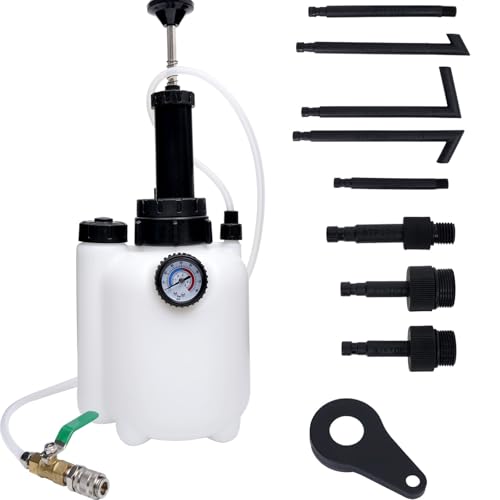
【Versatile Transmission Fluid Pump for ATF Service】 This 3L ATF fluid transfer pump is designed for clean and efficient fluid refill or extraction in automatic transmissions, gearboxes, and differentials
Conclusion
Taking the time to check your transfer case fluid can save you from bigger headaches down the road. By staying on top of this simple maintenance task you’re not just prolonging the life of your vehicle but also ensuring a smoother ride. Remember to look for signs of low or contaminated fluid and use the right tools to make the process easier. If you ever feel unsure don’t hesitate to reach out to a professional. Keeping your transfer case in good shape will keep your vehicle performing at its best. So go ahead and make that check part of your regular routine and enjoy the peace of mind that comes with it.
Frequently Asked Questions
What is transfer case fluid, and why is it important?
Transfer case fluid is a lubricant used in four-wheel drive and all-wheel drive vehicles to ensure smooth operation. It helps in power distribution and prevents damage, vital for optimal vehicle performance.
How often should I check my transfer case fluid?
You should check your transfer case fluid every 30,000 to 50,000 miles or as recommended by your vehicle’s manufacturer. Regular inspections can help prevent costly repairs.
What are the signs of low or contaminated transfer case fluid?
Signs include unusual noises, difficulty engaging four-wheel drive, or fluid that appears dark or gritty. If you notice any of these, it’s crucial to check your fluid levels.
How do I check the transfer case fluid level?
Locate the fill plug on the transfer case. Use a dipstick or your finger to check if the fluid is level with the hole. If it’s low, you need to add more fluid.
What tools do I need to add transfer case fluid?
You typically need a funnel, a pump (for ease of filling), and the recommended transfer case fluid type. Ensure you have these tools before starting.
Can I add transfer case fluid myself?
Yes, if you’re comfortable with basic vehicle maintenance. Just follow the guidelines for checking and adding fluid to ensure it’s done correctly.
When should I consider professional inspection for my transfer case?
If you’re unsure about checking or adding fluid, or if you notice any issues with your vehicle’s performance, it’s wise to consult a professional mechanic for inspection.
