

Have you ever noticed a strange clicking sound coming from your vehicle, especially when shifting gears? It can be frustrating and a bit concerning. One common culprit might be low transfer case fluid. This fluid plays a crucial role in your vehicle’s performance, and neglecting it can lead to unwanted noises and even more serious issues down the line.
In this article, you’ll learn how low transfer case fluid can affect your vehicle and the signs to watch for. Understanding this connection can help you take proactive steps to keep your vehicle running smoothly. So if you’re tired of that annoying clicking sound, keep reading to find out what you can do about it.
Key Takeaways
- Low Transfer Case Fluid Effects: Insufficient transfer case fluid can lead to clicking sounds and other performance issues in your vehicle, particularly during gear shifts.
- Symptoms to Watch For: Common indicators of low fluid include unusual clicking noises, difficulty shifting gears, overheating, fluid leaks, and warning lights on the dashboard.
- Mechanical and Fluid Issues: Clicking sounds may arise from mechanical problems or fluid-related issues, such as worn-out gears or low lubrication levels.
- Maintenance is Crucial: Regularly check and maintain proper transfer case fluid levels to prevent excessive friction, wear, and potential damage to the drivetrain.
- Proactive Measures: Schedule fluid changes, inspect seals regularly, and monitor fluid color and levels monthly to maintain optimal vehicle performance.
- Consult Professionals: If clicking sounds or other symptoms persist, consult a mechanic to diagnose and resolve the issue before it leads to costly repairs.
Understanding Transfer Case Fluid
Transfer case fluid plays a crucial role in the performance and longevity of your vehicle’s drivetrain. Maintaining proper fluid levels prevents issues like clicking sounds while shifting gears.
Importance of Transfer Case Fluid
Transfer case fluid lubricates components, allowing them to work smoothly together. It cools, protects against wear, and ensures efficient power transfer to the wheels. When levels drop, friction increases, leading to potential damage and costly repairs. Regular checks can help catch low fluid levels early, ensuring smooth operation and extending the life of your vehicle.
Symptoms of Low Transfer Case Fluid
Low transfer case fluid manifests through several noticeable signs.
- Clicking Sounds: You might hear clicking noises when shifting gears, indicating insufficient lubrication.
- Difficulty Shifting: Stiffness or resistance during gear changes suggests fluid issues.
- Overheating: Elevated temperatures in the transfer case can result from low fluid, leading to further complications.
- Fluid Leaks: Puddles or spots under your vehicle may indicate a leak, leading to low fluid levels.
- Warning Lights: Dashboard alerts may activate if the system detects fluid inadequacies.
Recognizing these symptoms will allow you to address maintenance needs promptly, ensuring your vehicle runs efficiently.
Common Causes of Clicking Sounds
Clicking sounds often indicate underlying issues in your vehicle’s transfer case. Recognizing the potential causes helps you address problems promptly.
Mechanical Issues
Mechanical issues rank among common causes of clicking sounds. Worn-out gears may create noise during operation. Faulty bearings can also generate clicking sounds as they struggle to support axle movement. Additionally, misalignment in components may lead to intermittent contact, producing audible clicks. Regular inspections help identify mechanical wear before significant damage occurs.
Fluid Related Issues
Fluid related issues directly contribute to unwanted clicking sounds. Low transfer case fluid levels compromise lubrication, leading to metal-on-metal contact. Contaminated fluid may also impair performance, creating noise during gear shifts. Regularly check fluid levels and quality, topping off or replacing as needed. Maintaining proper fluid levels ensures smooth operation and minimizes wear on components.
Can Low Transfer Case Fluid Cause a Clicking Sound?
Low transfer case fluid can definitely lead to a clicking sound in your vehicle. Insufficient fluid levels reduce lubrication, causing gears to grind against each other. This grinding creates a noticeable clicking noise, especially during gear shifts.
Recommended Products

Specifically approved for use in GM automatic four-wheel drive vehicles with transfer cases

Full-synthetic transfer case fluid for on-demand and full-time AWD/4x4 systems across European, Asian and US OEMs. Applications include Porsche Cayenne/Macan, BMW xDrive, Audi Quattro, Land Rover/Range Rover, Nissan, Mercedes-Benz 4MATIC (MB 239.41 Torque-on-Demand), Genesis/Kia TF-0870B (G70, G80, G90, Stinger AWD).

Direct Effects on Vehicle Performance
Low fluid levels directly impact your vehicle’s performance. Insufficient lubrication increases friction between gears, leading to:
- Gear Grinding: When fluid is low, gears may not engage smoothly, resulting in a grinding or clicking noise as they struggle to connect.
- Difficulty Shifting: You might find it more challenging to shift gears. The clicking sound often indicates that the components aren’t working harmoniously.
- Overheating: Elevated friction due to low fluid can cause overheating, which can exacerbate damage and lead to more severe mechanical issues.
Regularly checking and maintaining proper fluid levels helps avoid these performance issues.
Indirect Effects on Vehicle Components
Low transfer case fluid can lead to indirect effects on various components:
- Increased Wear on Gears: Over time, the constant grinding caused by inadequate lubrication wears down gears, resulting in a higher risk of failure.
- Faulty Bearings: Low fluid can also affect bearings, causing them to wear out faster and initiate clicking sounds.
- Overall Drivetrain Damage: Prolonged low fluid levels can result in extensive damage to the entire drivetrain, requiring costly repairs or replacements.
Taking time to inspect fluid levels and addressing leaks promptly fosters better vehicle health and avoids these costly repairs.
How to Diagnose the Issue
Diagnosing low transfer case fluid and related clicking sounds can save you from more extensive repairs. You can follow specific signs and steps to pinpoint the problem effectively.
Recommended Products

Recommended replacement part for your vehicle’s original factory component

Meets the challenging demands of different all-wheel and four-wheel drive vehicles with multi-powered axles

Package Included: 1x Oil change pump, 1x Outlet Hose(10mm), 2x Inlet Hoses(6mm, 8mm), 1x Clamp, 1x Instruction
Signs to Look For
- Unusual Noises: Listen for clicking or grinding sounds, especially during shifting. These noises often signal low fluid levels.
- Difficulty Shifting: Experience resistance or stiffness when changing gears. This may suggest insufficient lubrication in your transfer case.
- Fluid Leaks: Check for visible leaks under your vehicle. Fluid dripping can indicate a leak that leads to low levels.
- Warning Lights: Pay attention to dashboard warning lights. They may illuminate when there’s a transfer case issue.
- Check Fluid Level: Locate the transfer case dipstick or fill plug. Remove it and inspect fluid levels. If it’s low, top it off with the appropriate fluid.
- Inspect for Leaks: Examine the transfer case and surrounding areas. Look for wet spots or puddles, indicating a leak that needs repair.
- Listen for Sounds: Start your vehicle and shift through the gears while stationary. Note any clicking or grinding noises that occur during this process.
- Look for Color Changes: Check the fluid’s color and consistency. Healthy fluid should be clear or light brown. Dark or milky fluid indicates contamination and requires immediate attention.
- Consult a Professional: If you identify any alarming signs or sounds, visit a mechanic. They can conduct a thorough analysis and recommend further actions.
Preventive Measures
Preventing issues related to low transfer case fluid is essential for maintaining vehicle performance. Here are some steps to keep your drivetrain in optimal condition.
Recommended Products

【Multiple Applications】This transmission fluid pump fits standard quart bottles come with 28mm bottle cap,with an 8cc per pump stroke capacity,Suitable for dozens of uses including oil changes,siphoning gasoline,and transferring a wide range of fluids such as engine oil, biodiesel, kerosene, or shampoo,detergent.

Efficient Pumping: This fluid transfer pump comes with two different height suction tubes for quart bottles of different heights, making it easy to reach the bottom of the bottle. Easily control the amount of fluid pumped out without worrying about overfilling, making oil change operations easier on boats and vehicles.
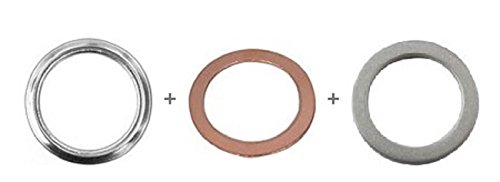
GENUINE TOYOTA GASKET KIT
Regular Maintenance Tips
- Schedule Fluid Changes: Change your transfer case fluid every 30,000 to 50,000 miles, or as recommended in your owner’s manual. Fresh fluid improves lubrication and reduces wear.
- Inspect Seals and Gaskets: Regularly check the condition of seals and gaskets for wear or deterioration. Replacing worn seals prevents leaks and ensures proper fluid levels.
- Service After Heavy Use: If you frequently tow heavy loads or drive in off-road conditions, consider more frequent fluid checks and changes. These conditions can lead to higher fluid temperatures and faster degradation.
- Check Levels Monthly: Look at your transfer case fluid levels at least once a month. Ensure the fluid reaches the manufacturer’s recommended fill line for optimal performance.
- Look for Color Changes: Inspect the fluid color while checking levels. Healthy fluid appears almost clear or slightly yellow. If it looks dark or has a burnt smell, it’s time to replace it.
- Monitor for Leaks: Check for any puddles or spots under your vehicle, which could indicate a leak. Addressing leaks immediately can save you from costly repairs.
Conclusion
Keeping an eye on your transfer case fluid is crucial for a smooth ride. If you hear that clicking sound it could be a sign that your fluid levels are low and it’s time to take action. Regular maintenance and timely checks can save you from bigger problems down the road.
Don’t ignore those warning signs. Addressing any issues early on ensures your vehicle runs efficiently and lasts longer. So make it a habit to check your fluid levels and keep your drivetrain in top shape. Your vehicle will thank you for it.
Frequently Asked Questions
What is transfer case fluid?
Transfer case fluid is a specialized lubricant used in a vehicle’s transfer case, which helps manage the distribution of power between the front and rear axles. It reduces friction, prevents overheating, and enhances overall drivetrain performance.
Why is transfer case fluid important?
Transfer case fluid is crucial for maintaining the health of your drivetrain. It provides lubrication, preventing gear grinding and shift difficulties. Adequate fluid levels help avoid overheating, ensuring smooth operation and extending the lifespan of vehicle components.
What happens if transfer case fluid is low?
Low transfer case fluid can lead to serious issues, including gear grinding, difficulty shifting, and overheating. Reduced lubrication increases friction, which can cause premature wear and damage to the transfer case, affecting overall vehicle performance.
How can I tell if my transfer case fluid is low?
Signs of low transfer case fluid include unusual noises while driving, difficulty shifting gears, visible fluid leaks, and warning lights on the dashboard. Monitoring these indicators can help you address issues before they escalate.
How often should I change my transfer case fluid?
It’s recommended to change your transfer case fluid every 30,000 to 50,000 miles, depending on your vehicle and usage conditions. Regular fluid changes help maintain optimal performance and prevent costly repairs down the line.
What preventive measures can I take for transfer case fluid maintenance?
To maintain transfer case fluid, inspect seals and gaskets regularly, monitor fluid levels monthly, check for color changes, and address leaks immediately. Additionally, schedule fluid changes based on mileage and heavy usage, like towing, for best results.
