

Have you ever wondered what fluid your Dodge transfer case really needs? You’re not alone. Many Dodge owners face confusion when it comes to choosing the right transfer case fluid. Using the wrong type can lead to costly repairs and performance issues, which is the last thing you want.
In this article, you’ll discover the specific fluid requirements for your Dodge transfer case, ensuring you keep your vehicle running smoothly. You’ll learn about the benefits of using the correct fluid and how it can extend the life of your transfer case. With this knowledge, you’ll be better equipped to maintain your vehicle and avoid unnecessary headaches down the road.
Key Takeaways
- Correct Fluid Essential: Always use the recommended fluid for your specific Dodge transfer case to ensure optimal performance and prevent costly damage.
- Types of Transfer Cases: Familiarize yourself with different Dodge transfer case models (NV 242, NV 231, NV 3500) and their unique fluid requirements.
- Manufacturer Guidelines: Consult your owner’s manual for precise fluid specifications and manufacturer recommendations for your transfer case.
- Regular Maintenance: Frequently check and change the transfer case fluid to maintain performance and extend its lifespan.
- Signs of Trouble: Be vigilant for signs of fluid issues, such as unusual noises, leaks, shifting problems, warning lights, and overheating – these may indicate the need for immediate attention.
- Impact of Wrong Fluid: Using incorrect fluids can lead to premature component wear, increased maintenance costs, and potential warranty issues.
Understanding Dodge Transfer Cases
Dodge transfer cases play a crucial role in your vehicle’s all-wheel and four-wheel drive systems. Knowing the right fluid for these components ensures optimal performance and longevity.
Types of Dodge Transfer Cases
Dodge vehicles utilize various types of transfer cases, including:
- NV 242: Commonly found in models like the Dodge Durango, this transfer case features full-time four-wheel drive.
- NV 231: Used in trucks, the NV 231 offers efficient part-time four-wheel drive options.
- NV 3500: Designed for heavy-duty models, this transfer case provides robust support in demanding conditions.
Each type requires specific fluids tailored to their design and performance characteristics.
Importance of Fluid Selection
Selecting the correct fluid for your Dodge transfer case is vital. Using the wrong fluid can cause extensive damage.
- Fluid Types: Many Dodge transfer cases utilize specific automatic transmission fluids or 75W-90 gear oils.
- Manufacturer Recommendations: Always check your owner’s manual or service guide for the exact fluid specifications.
By adhering to these guidelines, you’ll enhance the performance of your transfer case and extend its lifespan.
Recommended Fluids for Dodge Transfer Cases
Using the right fluid for your Dodge transfer case ensures optimal performance and longevity. Understanding the specifications enhances your vehicle’s functionality.
Recommended Products

Exceeds demands of automatic transmissions of most Chrysler, Dodge, Ram & other Stellantis vehicles


The information below is per-pack only
Manufacturer Specifications
Consult your owner’s manual for precise fluid specifications for your Dodge transfer case. Commonly recommended fluids may include Mopar ATF+4 or specified gear oils for various models. For instance, the NV 242 transfer case often uses Mopar ATF+4, while the NV 231 might require a different high-performance gear oil. Always verify which fluid is recommended for your specific transfer case model to avoid any potential damage.
Common Brands and Options
Several reputable brands provide compatible fluids for Dodge transfer cases. Here are some common options:
- Mopar ATF+4: Ideal for many Dodge vehicles, supporting smooth operation.
- Valvoline Dexron VI: Suitable for older models needing Dexron specifications.
- Royal Purple Max Gear: A synthetic gear oil that provides exceptional performance.
- Amsoil Severe Gear: Offers high protection and stability under heavy loads.
Check compatibility with your specific vehicle to ensure optimal results.
How to Check and Change the Fluid
Checking and changing the fluid in your Dodge transfer case keeps your vehicle in top shape. Regular maintenance ensures optimal performance.
Recommended Products
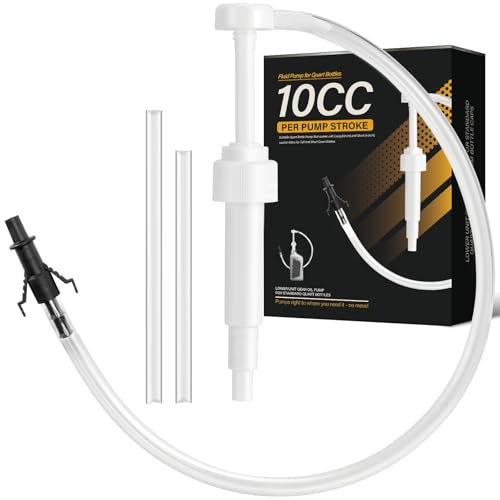
【Multiple Applications】Gear oil pump Fits for standard quart bottle and suitable for 28mm bottle cap,The third hand adapter holds the filler tube in place while pumping, Differential fluid pump The plunger pump is designed to be screwed in and secured.

[High-quality Materials] The lower gear oil pump is made of high-quality materials, which is durable and ensures fast and precise refilling of lubricating oil for the lower device of the marine engine, and is easy to use.

Efficient Pumping: This fluid transfer pump comes with two different height suction tubes for quart bottles of different heights, making it easy to reach the bottom of the bottle. Easily control the amount of fluid pumped out without worrying about overfilling, making oil change operations easier on boats and vehicles.
Tools You Will Need
- Floor Jack: Elevates your vehicle for access.
- Jack Stands: Safely supports your vehicle once lifted.
- Fluid Pump: Assists in transferring new fluid into the transfer case.
- Socket Wrench Set: Loosens and tightens bolts.
- Drain Pan: Collects old fluid during the change.
- Fluid Specification: Ensure you have the correct fluid type, as indicated in your owner’s manual.
- Lift the Vehicle: Use a floor jack to elevate the vehicle and secure it with jack stands for safety.
- Locate the Drain Plug: Identify the drain plug on the bottom of the transfer case. It typically requires a socket wrench.
- Drain Old Fluid: Place the drain pan under the plug, remove it, and let the old fluid completely drain.
- Inspect and Clean: Examine the drain plug for metal shavings or debris. Clean it before reinstalling.
- Replace the Drain Plug: Tighten the drain plug securely once all fluid is drained.
- Add New Fluid: Use the fluid pump to transfer the recommended fluid into the fill plug located on the side of the transfer case. Fill until the fluid begins to seep out.
- Reinstall the Fill Plug: Secure the fill plug tightly to prevent leaks.
- Check for Leaks: Start your vehicle and let it run briefly, then inspect around the transfer case for any fluid leaks.
Following these steps ensures you maintain your transfer case fluid effectively, fostering longer component life and smooth operation.
Signs of Fluid Issues
Recognizing signs of fluid issues in your Dodge transfer case is crucial for maintaining vehicle performance. Pay attention to the following indicators.
Recommended Products


Specifically approved for use in GM automatic four-wheel drive vehicles with transfer cases

HIGH PERFORMANCE - gear protection and longer synchro life, Satisfies the gear oil viscosity requirements of 70W & 75W
Common Symptoms to Watch For
- Unusual Noises: Listen for grinding or clunking sounds when engaging or disengaging the transfer case. These noises often signal inadequate fluid levels or contamination.
- Fluid Leaks: Inspect your driveway or garage for reddish or brown puddles under your vehicle. Leaks may indicate a damaged seal or gasket.
- Shifting Problems: Notice difficulty in shifting between 2WD and 4WD. Resistance or delays in shifting can point to low or contaminated fluid.
- Warning Lights: Watch for dashboard warning lights related to the transfer case or transmission. These alerts can signify fluid issues.
- Overheating: Feel for heat radiating from the transfer case. Excessive heat can result from low fluid or failed fluid characteristics.
- Component Damage: Using the wrong fluid can lead to premature wear on internal components, such as gears and bearings.
- Performance Issues: Incorrect fluid can impair the transfer case’s ability to shift, causing decreased vehicle performance and responsiveness.
- Increased Maintenance Costs: Replacing damaged parts due to incorrect fluid usage can incur higher repair costs in the long run.
- Fluid Contamination: Some fluids may not withstand high temperatures or stresses, leading to degradation and coating build-up that can clog filters and passages.
- Warranty Void: Using improper fluid can void warranties and result in denied claims when servicing is required.
Conclusion
Using the right fluid in your Dodge transfer case is key to keeping everything running smoothly. By staying on top of maintenance and watching for any signs of trouble you can avoid bigger issues down the road. Always refer to your owner’s manual for the specific fluid recommendations for your model.
Taking these steps not only enhances performance but also extends the life of your vehicle’s components. So make sure to check that fluid regularly and keep your Dodge in top shape. You’ll be glad you did!
Frequently Asked Questions
What fluid should I use for my Dodge transfer case?
To maintain optimal performance, always use the fluid specified in your owner’s manual. For most Dodge models, this will be ATF+4 or another recommended fluid for types like NV 242 and NV 231. Using the correct fluid is crucial for system longevity.
How can I tell if my transfer case fluid is failing?
Look for signs such as unusual noises, leaks, warning lights, or overheating. Other indicators include shifting problems and performance issues. If you notice any of these symptoms, it’s time to inspect the fluid.
How often should I check my Dodge transfer case fluid?
It’s advisable to check the transfer case fluid regularly, ideally every 15,000 to 30,000 miles. Regular checks help catch issues early and maintain the system’s performance and lifespan.
Can I change the transfer case fluid myself?
Yes, you can change the transfer case fluid yourself if you have the right tools and knowledge. Follow your owner’s manual for specific instructions and ensure you use the correct fluid to avoid damage.
What are the consequences of using the wrong fluid?
Using the wrong fluid can lead to overheating, component damage, and reduced performance. It may also void your warranty. Always adhere to the manufacturer’s fluid recommendations for best results.
How can I recognize fluid contamination?
Watch for milky or dark-colored fluid, an unusual smell, or metal shavings in the fluid. Contaminated fluid can affect the performance and life of your transfer case, so it’s essential to address it promptly.
