

Have you ever wondered if you need to replace your transfer case fluid? You’re not alone. Many drivers overlook this essential maintenance task, thinking it’s not that important. But ignoring it could lead to costly repairs down the road.
Picture this: you’re driving on a rainy day when suddenly your vehicle starts to slip and struggle. That’s often a sign of transfer case issues. Regularly checking and replacing the fluid can help prevent such scenarios and keep your vehicle running smoothly.
In this article, you’ll learn why transfer case fluid matters, how often you should change it, and the signs that indicate it’s time for a replacement. Taking care of your transfer case means a safer and more reliable ride.
Key Takeaways
- Vital Role of Transfer Case Fluid: Transfer case fluid lubricates and cools the drivetrain, ensuring smooth power distribution from the transmission to the axles.
- Regular Maintenance is Crucial: Changing transfer case fluid every 30,000 to 60,000 miles, depending on vehicle specifications, helps prevent serious drivetrain issues.
- Recognize Warning Signs: Unusual noises, fluid discoloration, and poor vehicle performance can indicate the need for fluid replacement.
- Manufacturer Guidelines Matter: Always consult your owner’s manual for specific replacement intervals and fluid types to maintain optimal performance.
- Impact of Driving Conditions: Severe driving conditions, such as towing or off-roading, may necessitate more frequent fluid changes (every 15,000 to 30,000 miles).
- Effective Replacement Steps: Follow a straightforward process, including proper tools and safety measures, to ensure your transfer case fluid is changed effectively.
Understanding Transfer Case Fluid
Transfer case fluid plays a crucial role in your vehicle’s drivetrain. It lubricates the transfer case, which distributes power from the transmission to the front and rear axles. Regular maintenance of this fluid keeps your vehicle operating smoothly.
What Is Transfer Case Fluid?
Transfer case fluid is a specialized lubricant designed for the transfer case’s operation. It typically comes in two main types: automatic transmission fluid (ATF) and dedicated transfer case fluid. The specific type used depends on your vehicle’s make and model. Consult your owner’s manual for the correct fluid specification.
Importance of Transfer Case Fluid
Transfer case fluid is essential for several reasons:
- Lubrication: Fluid reduces friction between moving parts in the transfer case, preventing wear and tear.
- Heat Dissipation: Fluid helps manage heat produced during operation, protecting components from overheating.
- Sealing Properties: It maintains proper sealing in the transfer case, preventing leaks and contamination.
Neglecting transfer case fluid maintenance can lead to serious issues like gear binding or complete failure. Regular checks and timely fluid changes extend the life of your drivetrain system and ensure safe driving. Make it a habit to check your fluid levels and condition as part of your vehicle’s routine maintenance.
Signs You Need to Replace Transfer Case Fluid
You should be aware of specific warning signs indicating a need to replace transfer case fluid. Addressing these issues promptly ensures optimal vehicle performance.
Recommended Products

【Multiple Applications】This transmission fluid pump fits standard quart bottles come with 28mm bottle cap,with an 8cc per pump stroke capacity,Suitable for dozens of uses including oil changes,siphoning gasoline,and transferring a wide range of fluids such as engine oil, biodiesel, kerosene, or shampoo,detergent.

Full-synthetic transfer case fluid for on-demand and full-time AWD/4x4 systems across European, Asian and US OEMs. Applications include Porsche Cayenne/Macan, BMW xDrive, Audi Quattro, Land Rover/Range Rover, Nissan, Mercedes-Benz 4MATIC (MB 239.41 Torque-on-Demand), Genesis/Kia TF-0870B (G70, G80, G90, Stinger AWD).

Compatible With Toyota Lexus Scion Transfer Case And Differential Service Transfer & Differential Service Gasket Kit
Unusual Noises
Unusual noises from the transfer case signal a problem. You may hear grinding, clunking, or whining sounds. These noises often indicate low fluid levels or deteriorated fluid quality. If you encounter these sounds while driving, check the transfer case fluid immediately to prevent further damage.
Fluid Discoloration
Fluid discoloration is another telltale sign. Healthy transfer case fluid should appear clear or light brown. If you notice dark, cloudy, or murky fluid, it might indicate contamination or degradation. Dark fluid may contain metal shavings or other debris, suggesting it’s time for a replacement. Regularly inspect the fluid color and consistency to maintain your vehicle’s health.
How Often Should You Replace Transfer Case Fluid?
Replacing transfer case fluid varies based on specific factors like vehicle make and model. Typically, manufacturers recommend changing the fluid every 30,000 to 60,000 miles. Always check your owner’s manual to find the exact interval for your vehicle. Following these recommendations ensures optimal performance of the transfer case.
Recommended Products

Specifically approved for use in GM automatic four-wheel drive vehicles with transfer cases

Long lasting endurance

Meets the challenging demands of different all-wheel and four-wheel drive vehicles with multi-powered axles
Manufacturer Recommendations
Different manufacturers provide specific guidelines regarding transfer case fluid replacement. Some vehicles with a sealed transfer case may not require fluid changes as frequently. Others might need fluid replacement every 20,000 miles due to severe driving conditions. Adhering to the manufacturer’s schedule can prevent premature wear and tear. For instance, you can find these details in your vehicle’s service manual or by consulting a trusted mechanic.
Driving Conditions Impact
Driving conditions significantly impact how often you should replace transfer case fluid. Frequent towing, off-road adventures, or driving in extreme temperatures increases fluid degradation. If you often drive in such demanding conditions, consider changing the fluid every 15,000 to 30,000 miles to maintain peak vehicle performance. Regular checks can help you assess the fluid’s condition, ensuring your vehicle remains responsive and reliable.
Steps to Replace Transfer Case Fluid
Replacing transfer case fluid involves several steps to ensure the process goes smoothly. Following these steps keeps your vehicle running well and prevents potential issues.
Recommended Products
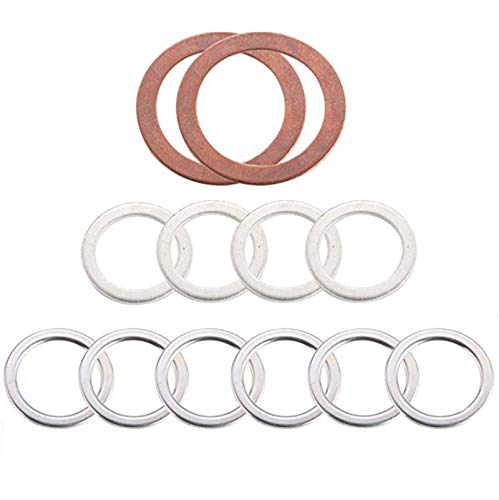
All the gaskets you need for the Toyota diffs and transfer case. There are 2 washers that look the same, those are for the transfer case. Then you have 3 washers that look the same - 2 are for the rear diff and 1 is for the front. The copper one is also for the front diff.

Direct Replacement:Used to replace worn or damaged transfer case oil fill plugs and restore proper sealing at the fill port

Recommended replacement part for your vehicle’s original factory component
Tools Required
- Socket Set: Needed for removing the transfer case drain and fill plugs.
- Ratcheting Wrench: Simplifies the removal of tight plugs.
- Fluid Pump: Helps in adding new fluid without spills.
- Container: Catches old fluid for disposal.
- Transmission Fluid: Ensure compatibility with your vehicle’s requirements.
- Prepare Your Vehicle: Park on a level surface and engage the parking brake. Use wheel chocks for added safety.
- Locate the Transfer Case: Identify the transfer case under your vehicle. Consult the owner’s manual for specific details.
- Drain the Old Fluid: Remove the drain plug using the socket set. Allow the old fluid to completely drain into the container.
- Inspect Gaskets: Check the drain plug gasket for wear. Replace it if damaged to prevent leaks.
- Add New Fluid: Insert the fluid pump into the fill hole, then pump the new transfer case fluid until it begins to trickle out of the fill hole.
- Replace Fill Plug: Securely tighten the fill plug using the wrench to prevent leaks.
- Clean Up: Dispose of the old fluid responsibly. Check with local regulations for disposal options.
- Test Drive: Take your vehicle for a short drive to distribute the new fluid evenly. Check for leaks afterward.
Following these steps ensures your transfer case fluid is replaced effectively, maintaining optimal vehicle performance.
Conclusion
Taking care of your transfer case fluid is essential for keeping your vehicle running smoothly. By staying on top of this maintenance task you can avoid potential problems down the road. Regularly checking for warning signs and adhering to manufacturer recommendations will help you maintain optimal performance.
Remember that a little attention now can save you from costly repairs later. So don’t wait too long to check that fluid and keep your ride in top shape. Your vehicle will thank you for it!
Frequently Asked Questions
What is transfer case fluid and why is it important?
Transfer case fluid is a lubricant that helps distribute power from the transmission to the axles in a vehicle. It’s vital for reducing friction, managing heat, and ensuring proper sealing, which keeps the transfer case functioning smoothly.
How often should transfer case fluid be replaced?
Manufacturers typically recommend replacing transfer case fluid every 30,000 to 60,000 miles. However, it’s best to consult your owner’s manual for specific guidance based on your vehicle model.
What are the signs that transfer case fluid needs replacement?
Warning signs that indicate the need for replacement include unusual noises while driving, discoloration of the fluid, or difficulty shifting gears. Addressing these issues promptly can prevent costly repairs.
How is transfer case fluid replaced?
Replacing transfer case fluid involves several steps: preparing the vehicle, draining the old fluid, inspecting gaskets, adding new fluid, and finally testing the vehicle to ensure optimal performance. This process is crucial for maintaining your vehicle’s health.
What happens if I neglect to replace transfer case fluid?
Neglecting to replace transfer case fluid can lead to serious issues, such as gear binding or failure. This can result in costly repairs and affect your vehicle’s overall performance and safety. Regular maintenance is essential.
