

Have you ever wondered how often you should change your transfer case fluid? It’s a question many drivers overlook, yet it plays a crucial role in keeping your vehicle running smoothly. Ignoring this maintenance task can lead to costly repairs down the line.
Key Takeaways
- Importance of Transfer Case Fluid: Regularly changing transfer case fluid is essential for optimal vehicle performance, particularly in all-wheel and four-wheel drive systems, as it ensures proper lubrication and reduces wear.
- Recommended Change Intervals: Check transfer case fluid every 30,000 to 50,000 miles, adhering to your vehicle’s owner’s manual, as some newer models can extend this interval up to 100,000 miles.
- Signs of Deterioration: Be vigilant for unusual noises such as grinding or clunking and shifting issues, as these may indicate low or contaminated fluid levels that require immediate attention.
- DIY vs. Professional Maintenance: You can change transfer case fluid yourself with basic tools, or hire a professional for the task, ensuring they follow specific manufacturer guidelines.
- Regular Inspections Necessary: Conduct regular inspections of the transfer case fluid during oil changes or at least yearly, especially in harsh driving conditions or if your vehicle is older.
- Using the Right Fluid: Always use the recommended fluid type specified in your owner’s manual to prevent damage and ensure the longevity of your vehicle’s transfer case.
Importance Of Transfer Case Fluid
Transfer case fluid plays a vital role in your vehicle’s performance, especially in all-wheel-drive and four-wheel-drive systems. This fluid lubricates the gears and components within the transfer case, reducing friction and wear. Regular maintenance of this fluid ensures smooth shifting and efficient power distribution to the wheels.
Without proper fluid levels, you can face serious issues. Insufficient fluid leads to overheating, which may cause irreversible damage to the transfer case. Noise during operation often signals a fluid problem. Regular checks can prevent these common issues.
Changing the transfer case fluid prevents sludge build-up. Old fluid loses its lubricating properties over time, and contaminants accumulate. Fresh fluid removes debris and provides optimal protection to internal components. The fresh formulation of new fluid enhances overall performance.
Consider checking the transfer case fluid every 30,000 to 50,000 miles, or as recommended in your vehicle’s owner’s manual. Following the manufacturer’s guidelines ensures your transfer case functions optimally.
Signs That Transfer Case Fluid Needs Changing
Paying attention to your vehicle’s transfer case fluid can prevent significant issues down the road. Certain signs indicate that it might be time to change the fluid.
Recommended Products

Specifically approved for use in GM automatic four-wheel drive vehicles with transfer cases

【Multiple Applications】This transmission fluid pump fits standard quart bottles come with 28mm bottle cap,with an 8cc per pump stroke capacity,Suitable for dozens of uses including oil changes,siphoning gasoline,and transferring a wide range of fluids such as engine oil, biodiesel, kerosene, or shampoo,detergent.

🚗Fits Standard Quart Bottles with 28mm Bottle Cap
Unusual Noises
Hearing strange noises while driving can signal a problem with the transfer case. You might hear grinding, clunking, or whining sounds. These noises often result from insufficient lubrication, leading to increased friction in moving parts. If you notice these sounds, check the transfer case fluid immediately.
Shifting Issues
Experiencing trouble when changing gears points to potential transfer case fluid problems. If you find shifting becomes rough or unresponsive, low fluid levels or dirty fluid could be the cause. You might also feel the vehicle slipping out of gear unexpectedly. Monitoring the fluid’s condition can help address these issues early.
Recommended Schedule For Changing Transfer Case Fluid
Changing your transfer case fluid keeps your vehicle running smoothly and prevents future issues. Follow these guidelines to determine how often you should perform this maintenance task.
Recommended Products

Efficient Pumping: This fluid transfer pump comes with two different height suction tubes for quart bottles of different heights, making it easy to reach the bottom of the bottle. Easily control the amount of fluid pumped out without worrying about overfilling, making oil change operations easier on boats and vehicles.

[High-quality Materials] The lower gear oil pump is made of high-quality materials, which is durable and ensures fast and precise refilling of lubricating oil for the lower device of the marine engine, and is easy to use.
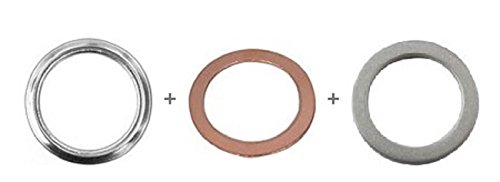
GENUINE TOYOTA GASKET KIT
Manufacturer Recommendations
Always start by checking your vehicle’s owner’s manual for specific recommendations. Many manufacturers suggest changing transfer case fluid every 30,000 to 50,000 miles. Some newer models may have longer intervals, up to 100,000 miles, due to advanced fluids. Adhering to these recommendations ensures your vehicle stays in optimal condition.
General Guidelines
Use these general practices to help you maintain your transfer case fluid effectively:
- Regular Inspection: Check fluid levels every oil change or at least once a year. Look for discoloration or a burnt odor, which indicates fluid deterioration.
- Driving Conditions: If you frequently drive in harsh conditions, such as off-road, towing, or extreme weather, change the fluid more often. Consider intervals closer to 30,000 miles.
- Age of Vehicle: Older vehicles with higher mileage may require more frequent fluid changes. Keep an eye on performance issues, such as rough shifting.
- Fluid Type: Use the recommended fluid type for your transfer case. Using the wrong fluid can lead to damage and costly repairs.
Following these guidelines helps maintain performance and longevity for your vehicle’s transfer case. Regular checks and changes keep you on the road safely.
Methods For Changing Transfer Case Fluid
Changing transfer case fluid can be done through DIY methods or by hiring professional services. Below are the key processes for each method.
Recommended Products

Compatible With Toyota Lexus Scion Transfer Case And Differential Service Transfer & Differential Service Gasket Kit

Meets the challenging demands of different all-wheel and four-wheel drive vehicles with multi-powered axles
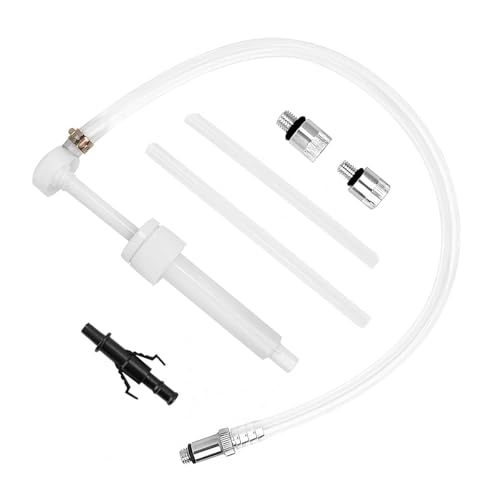
Complete 1 Set Kit: This car transmission fluid pump kit includes all necessary components for fluid transfer tasks. The full set comes with the main pump body and matching adapters, supporting direct use for various vehicle fluid changing needs.
DIY Process
- Gather Tools: You’ll need a socket set, wrench, fluid pump, drain pan, and a funnel. Use the right transfer case fluid as specified in your owner’s manual.
- Lift the Vehicle: Use jack stands to safely elevate the vehicle. Ensure it’s stable before proceeding.
- Locate the Drain Plug: Find the drain plug on the transfer case. Remove it using a socket wrench and let the old fluid drain completely into the drain pan.
- Replace the Filter: If your transfer case has a filter, now’s the time to change it. Remove the old filter and install the new one securely.
- Replace the Drain Plug: After the fluid drains, tighten the drain plug back in.
- Add New Fluid: Use a fluid pump to fill the transfer case with new fluid. Fill until it starts to flow out of the fill hole.
- Check Fluid Level: With the engine running, check the fluid level. Add more fluid if necessary, then reinsert the fill plug.
- Schedule an Appointment: Contact a local mechanic or service center that specializes in transmission work.
- Discuss Your Vehicle’s Needs: Explain your vehicle’s make, model, and any symptoms you’ve noticed. This helps the technician prepare.
- Receive an Inspection: The technician will inspect the transfer case for leaks or damage before changing the fluid.
- Fluid Change Process: They’ll drain the old fluid, replace any necessary parts like filters, and add fresh fluid. They’re trained to know the specific fluid type required.
- Verify System Functionality: After the service, your technician should take your vehicle for a test drive to ensure everything operates smoothly.
Choosing between DIY and professional services depends on your comfort level and experience.
Conclusion
Taking care of your transfer case fluid is essential for keeping your vehicle running smoothly. By sticking to the recommended intervals and paying attention to any signs of trouble you can avoid bigger issues down the road. Whether you choose to tackle fluid changes yourself or rely on a professional it’s important to stay proactive. Regular maintenance not only enhances performance but also extends the life of your vehicle. So make sure to keep an eye on that fluid level and enjoy a well-functioning ride for years to come.
Frequently Asked Questions
What is transfer case fluid, and why is it important?
Transfer case fluid lubricates the all-wheel-drive and four-wheel-drive systems in a vehicle. It reduces friction, ensuring smooth power distribution and maintaining overall vehicle performance. Regular changes of this fluid help prevent costly repairs and extend the life of these systems.
How often should I change transfer case fluid?
It’s generally recommended to change transfer case fluid every 30,000 to 50,000 miles, depending on the vehicle’s owner manual. Factors like driving conditions and the age of the vehicle can also affect how frequently you should do this maintenance.
What are the signs that I need a transfer case fluid change?
Signs you may need a fluid change include unusual noises coming from the transfer case, shifting issues, or difficulty engaging or disengaging four-wheel drive. If you notice any of these problems, it’s a good idea to check the fluid.
Can I change transfer case fluid myself?
Yes, you can change transfer case fluid yourself if you feel comfortable with basic automotive tasks. Gather the necessary tools, lift the vehicle, locate the drain plug, and follow the proper procedure to replace the fluid. Ensure you use the correct fluid type for your vehicle.
When should I consider professional services for fluid changes?
Consider professional services if you are unsure about performing the task yourself or if your vehicle shows signs of a severe issue. A mechanic can provide an inspection and handle the fluid change, guaranteeing that everything is functioning correctly after the service.
