

Do you know what fluid your 2012 Infiniti AWS transfer case needs? If you’re like many car owners, keeping track of the right fluids can feel overwhelming. Using the wrong fluid can lead to costly repairs and performance issues, so it’s crucial to get it right.
Key Takeaways
- Recommended Fluid: Use Genuine Nissan Transfer Case Fluid or equivalent full synthetic fluids, specifically API GL-5, 75W-90, to ensure optimal performance and longevity of the transfer case.
- Fluid Change Interval: Regularly check and replace the transfer case fluid every 30,000 miles to prevent wear and potential overheating, enhancing overall vehicle performance.
- Fluid Change Process: Follow a clear step-by-step process for fluid replacement, including draining old fluid, inspecting for debris, and carefully refilling with the correct new fluid.
- Maintenance Importance: Routine maintenance, such as fluid checks and changes, is crucial for preventing costly repairs and ensuring the efficient operation of the all-wheel-drive system.
- Troubleshooting Common Issues: Be vigilant for signs like fluid leaks, overheating, unusual noises, and warning lights; timely inspection and maintenance can prevent more severe problems.
- Tool Requirements: Essential tools for fluid change include a ratcheting socket set, fluid pump, and appropriate containers for old fluid disposal, ensuring a smooth maintenance experience.
Overview of the 2012 Infiniti AWS Transfer Case
The 2012 Infiniti AWS transfer case is a crucial component in your vehicle’s all-wheel-drive system. This system ensures optimal power distribution between the front and rear wheels, enhancing traction and stability during various driving conditions.
The transfer case uses specific fluid to operate efficiently. Infiniti recommends using Genuine Nissan Transfer Case Fluid or equivalent full synthetic fluids. This choice helps maintain proper lubrication and temperature control within the transfer case. Using the wrong fluid can lead to increased wear and tear, potential overheating, and costly repairs.
Regular maintenance of the transfer case is essential. Typically, you should check the fluid level every 30,000 miles or as part of routine services. If you notice any unusual noises, leaks, or performance issues, inspect the fluid immediately. Replacing the fluid can prevent serious damage and ensure smooth operation.
To replace the transfer case fluid, follow these steps:
- Gather Tools: You’ll need a wrench, drain pan, and the correct fluid.
- Lift the Vehicle: Use ramps or jack stands for safety.
- Locate the Drain and Fill Plugs: Find the transfer case drain and fill plugs.
- Drain Old Fluid: Remove the drain plug and let old fluid collect in the pan.
- Inspect the Plug: Check for metal shavings or debris on the plug.
- Fill with New Fluid: Replace the drain plug and fill the case with new fluid until it starts to leak out of the fill hole.
- Replace Fill Plug: Securely fasten the fill plug.
Following this process helps maintain your transfer case’s health and performance. Regular checks and fluid changes contribute to a reliable driving experience in your 2012 Infiniti AWS.
Importance of Using the Correct Fluid
Using the correct fluid in the transfer case of a 2012 Infiniti AWS significantly affects your vehicle’s overall performance and longevity. Proper maintenance ensures smooth operation and prevents unwanted repairs.
Recommended Products

Attention: This transfer case assembly is shipped without oil. During installation, add 75W-90 gear oil and fill only to the specified level to ensure proper performance and avoid leaks. For any questions, please contact us

Long lasting endurance

[Vehicle Compatibility]: Compatible with 2013 Infiniti JX35 V6 3.5L AWD, 2014-2019 Infiniti QX60 V6 3.5L AWD; 2015-2019 Nissan Murano V6 3.5L AWD, 2013-2019 Nissan Pathfinder V6 3.5L 4WD. NOTE: ① Nissan Pathfinder 2013-2019 Fit 4WD(Four Wheel Drive) Only. ② INFINITI JX35; QX60 Nissan Murano Fit AWD(All Wheel Drive) Only
Impact on Performance
Using the right fluid helps maintain the proper function of the transfer case, which distributes power between the front and rear wheels. High-quality fluids reduce friction, leading to improved responsiveness and handling. When the transfer case operates smoothly, you’ll experience better acceleration and stability, especially in challenging driving conditions like rain or snow. For instance, using Genuine Nissan Transfer Case Fluid enhances lubrication and temperature control, ensuring the system operates at peak efficiency.
Impact on Longevity
The correct fluid significantly contributes to the lifespan of your transfer case. Proper lubrication prevents wear and tear on internal components, reducing the risk of breakdowns. Regularly checking and replacing fluid every 30,000 miles minimizes the chances of damage caused by contamination or low levels. By prioritizing fluid maintenance, you extend the overall life of your vehicle’s all-wheel-drive system, saving money on repairs down the line.
Recommended Fluid Types
Using the correct fluid type is essential for the 2012 Infiniti AWS transfer case. The right fluid helps ensure smooth operation and longevity.
Recommended Products

Improved formula includes a grape scent for a more pleasant application experience
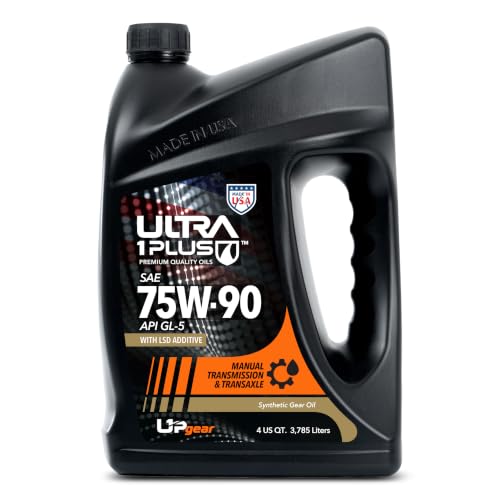
EXTREME PRESSURE PROTECTION: Anti-scuffing additives and friction modifiers shield gear teeth from shock loading and high torque, extending gear and bearing life while reducing maintenance costs in differentials and axles.

EXTREME DRAIN INTERVALS: PAO and Esters formulation lasts up to 500,000 miles for heavy-duty trucks and passenger cars, and 750,000 miles for Class 8 highway trucks
Manufacturer Specifications
Infiniti recommends using Genuine Nissan Transfer Case Oil or an equivalent fluid with specifications of API GL-5. You can expect a viscosity grade of 75W-90. This fluid is designed specifically for the transfer case, ensuring optimal performance and protection against wear.
Compatible Alternatives
Several compatible alternatives meet or exceed Infiniti’s specifications. Consider these options:
- Valvoline SynPower 75W-90: This synthetic oil offers excellent thermal stability and protection.
- Royal Purple Max Gear 75W-90: Known for its superior lubrication properties, this option enhances performance.
- Mobil 1 Synthetic Gear Oil 75W-90: Provides excellent performance in extreme conditions, ensuring reliable operation.
Always check compatibility before using alternatives, and maintain regular fluid checks as part of your maintenance routine.
Fluid Change Process
Changing the transfer case fluid in your 2012 Infiniti AWS ensures the all-wheel-drive system operates effectively. This process enhances performance and helps prevent potential damage.
Recommended Products

✅【Compatible With】DOFOCH 33100-JP11C Transfer Case Assembly For Nissan Murano 3.5L 2009-2014 V6 3.5L AWD

[Vehicle Fitment]: Compatible with Nissan Murano 3.5L V6 CVT 4WD/AWD 2009-2014 Infiniti JX35 3.5L 2013-2013

VEHICLE FITMENT: This transfer case assembly is compatible with for Nissan fit Murano 2009-2014 3.5L V6,for INFINITI fit JX35 2013 3.5L V6. Please confirm your vehicle's engine size, model year, and AWD drivetrain before ordering.
Tools and Materials Needed
- Fluid type: Genuine Nissan Transfer Case Oil or an equivalent fluid, API GL-5, 75W-90.
- Ratcheting socket set: For removing and tightening the drain and fill bolts.
- Fluid pump: For easy filling of the transfer case.
- Container: To catch the old fluid.
- Shop towels: For cleaning spills and wiping tools.
- Funnel: To assist with pouring new fluid.
- Prepare the Vehicle: Park your vehicle on a level surface and secure it with wheel chocks. This can prevent rolling during the process.
- Locate the Transfer Case: Identify the transfer case mounted on the vehicle’s underside.
- Drain Old Fluid:
- Use the ratcheting socket set to remove the drain bolt. Allow the old fluid to fully drain into the container.
- Inspect the old fluid for metal shavings or debris, which could indicate wear.
- Replace the Drain Bolt: Once the fluid has drained, clean the drain bolt and reinstall it tightly.
- Add New Fluid:
- Use the fluid pump to transfer new fluid into the transfer case through the fill hole. Fill until fluid starts to seep out of the fill hole.
- Make sure to use the funnel to avoid spills while filling.
- Reinstall the Fill Bolt: Clean the fill bolt and reinstall it securely.
- Check for Leaks: Start the engine and let it run for a few minutes. Check the area around the drain and fill bolts for leaks.
- Dispose of Old Fluid: Take the used fluid to a local recycling center that accepts automotive fluids.
Regularly changing your transfer case fluid at recommended intervals enhances drivability and prevents complications in your vehicle’s drivetrain.
Common Issues and Troubleshooting
Having a well-functioning transfer case is crucial for your 2012 Infiniti AWS. Here are some common issues you may encounter and troubleshooting steps to address them effectively.
Fluid Leakage
Fluid leaks can occur due to worn seals or gaskets. If you spot fluid stains under your vehicle, follow these steps:
- Inspect the transfer case for any visible cracks or damage.
- Check the fluid level to ensure it’s adequate.
- If low, add the recommended fluid to prevent further damage.
- Consider replacing seals or gaskets if leaks persist.
Overheating
Overheating may happen when the transfer case operates under excessive load or due to low fluid levels. To troubleshoot this issue:
- Allow your vehicle to cool down completely.
- Verify the fluid level and top off as needed.
- Avoid towing heavy loads if temperatures are consistently high.
- If overheating continues, seek professional assistance to inspect for internal damage.
Unusual Noises
Hearing grinding or clunking noises when engaging the transfer case indicates potential issues. To address noise problems:
- Confirm that the correct fluid is in use. Using the wrong fluid may lead to inadequate lubrication.
- Inspect for worn components such as bearings or gears.
- If noises persist after checking fluid levels and components, consult a mechanic.
Warning Lights
If your dashboard warning lights illuminate, this often signals a malfunction. Take these actions quickly:
- Consult your owner’s manual to understand what each warning light indicates.
- Perform a quick check of fluid levels and system performance.
- If issues arise after basic troubleshooting, use an OBD-II scanner to check for diagnostic trouble codes (DTCs).
Regular Maintenance
Regular maintenance prevents many transfer case issues. Follow these guidelines:
- Check fluid levels and condition every 5,000 miles.
- Change the transfer case fluid every 30,000 miles, as recommended.
- Monitor for unusual behavior in the vehicle, such as poor handling or abnormal noises.
By addressing these common issues proactively, you can maintain the efficiency and longevity of your 2012 Infiniti AWS transfer case.
Conclusion
Taking care of your 2012 Infiniti AWS transfer case is essential for keeping your vehicle running smoothly. By using the right fluid and sticking to a regular maintenance schedule you can avoid potential issues and enhance your driving experience. Remember to stay alert for any signs of trouble like leaks or strange noises. Your attention to detail can save you time and money in the long run. Enjoy the ride knowing you’re doing your best to keep your all-wheel-drive system in top shape.
Frequently Asked Questions
What fluid should I use for the transfer case in a 2012 Infiniti AWS?
To ensure optimal performance for your 2012 Infiniti AWS, use the manufacturer’s recommended transfer case fluid. High-quality fluids enhance responsiveness and stability. Always refer to your owner’s manual for the specific fluid type.
How often should I change the transfer case fluid?
It’s recommended to change the transfer case fluid every 30,000 miles. Regular fluid changes help prevent wear and tear, improving the efficiency and longevity of your all-wheel-drive system.
What are the signs of transfer case issues?
Common signs of transfer case problems include fluid leakage, overheating, unusual noises, and warning lights on the dashboard. Prompt attention to these issues can prevent costly repairs.
How do I check the transfer case fluid level?
To check the transfer case fluid level, locate the fill plug on the transfer case, remove it, and insert a clean finger. The fluid should be level with the opening. If not, top it off with the appropriate fluid.
What should I do if I notice fluid leakage?
If you notice fluid leakage from your transfer case, stop driving the vehicle and inspect it immediately. Identify the source of the leak, and consider having a professional diagnose and repair it to avoid further damage.
