

Have you ever wondered how much it costs to change your transfer case fluid? If you’ve noticed unusual noises or trouble shifting gears, it might be time to check this often-overlooked maintenance task.
Understanding the costs involved can save you from unexpected repairs down the road. In this article, you’ll discover the typical price range for a transfer case fluid change, factors that influence the cost, and tips for finding the best service options. By the end, you’ll feel more confident in making informed decisions about your vehicle’s maintenance.
Key Takeaways
- Cost Range: The average cost for a transfer case fluid change typically ranges from $100 to $350, depending on the vehicle type and service location.
- Maintenance Importance: Regular fluid changes are vital for optimal performance, preventing damage, and extending the lifespan of your vehicle’s transfer case.
- Symptoms of Issues: Signs that the transfer case fluid needs changing include slipping gears, strange noises, and dark or gritty fluid, indicating degradation.
- DIY vs. Professional: While a DIY fluid change can cost between $30 and $70, hiring a professional may range from $100 to $250, depending on labor rates and vehicle specifics.
- Quality Matters: The type of fluid used affects overall costs; synthetic fluids, while pricier, can offer better performance and longer life for your transfer case.
- Regional Variations: Service costs may vary based on geographic location, with urban areas generally charging higher rates compared to suburban or rural regions.
Understanding Transfer Case Fluid
Transfer case fluid plays a crucial role in the performance of four-wheel and all-wheel drive vehicles. This fluid lubricates the transfer case’s gears and provides cooling to prevent overheating during operation. Regular maintenance, including fluid changes, ensures the transfer case operates smoothly, preventing wear and potential costly repairs.
Recommended Products

【Multiple Applications】This transmission fluid pump fits standard quart bottles come with 28mm bottle cap,with an 8cc per pump stroke capacity,Suitable for dozens of uses including oil changes,siphoning gasoline,and transferring a wide range of fluids such as engine oil, biodiesel, kerosene, or shampoo,detergent.

Efficient Pumping: This fluid transfer pump comes with two different height suction tubes for quart bottles of different heights, making it easy to reach the bottom of the bottle. Easily control the amount of fluid pumped out without worrying about overfilling, making oil change operations easier on boats and vehicles.
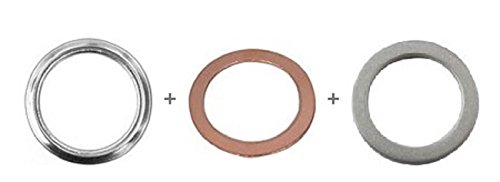
GENUINE TOYOTA GASKET KIT
Importance of Transfer Case Fluid Change
Changing transfer case fluid helps maintain optimal performance. Fresh fluid contains additives that protect against wear, remove debris, and improve shifting performance. Over time, the fluid breaks down and loses its effectiveness, leading to increased friction and potential damage.
Symptoms of Degraded Fluid
Recognizing signs of degraded transfer case fluid can help you catch issues early. Watch for these symptoms:
- Slipping Gears: Difficulty maintaining gear engagement can signal fluid breakdown.
- Strange Noises: Unusual sounds during operation may indicate inadequate lubrication.
- Fluid Leaks: Puddles or spots under your vehicle might point to older, deteriorated fluid.
How to Check Transfer Case Fluid
Checking your transfer case fluid is a straightforward process:
- Locate the Transfer Case: Refer to your vehicle’s manual for the exact location.
- Remove the Fill Plug: Use appropriate tools to access the fill plug.
- Inspect Fluid Condition: Clean fluid appears bright and clear, while dark or gritty fluid indicates the need for a change.
Recommended Fluid Change Interval
Manufacturers typically recommend changing transfer case fluid every 30,000 to 60,000 miles. However, consult your owner’s manual for specific guidelines based on your vehicle’s make and model. Driving conditions, such as heavy towing or off-road usage, may necessitate more frequent changes.
Choosing the Right Fluid
Selecting the correct transfer case fluid is essential for maintaining performance. Always use the fluid type specified in your owner’s manual. Using the wrong fluid can lead to damage and void warranties. Available fluid types include:
- Dexron/Mercon ATF: Common in many cars.
- Specialized Synthetic Fluids: Particularly suited for performance or off-road vehicles.
Seeking Professional Help
If you’re unsure about the condition of your transfer case fluid or how to change it, professional assistance is available. Certified mechanics can provide comprehensive inspections and fluid changes, ensuring your vehicle operates efficiently.
Importance Of Transfer Case Fluid Maintenance
Maintaining transfer case fluid is vital for the longevity and performance of your vehicle. Regular checks and changes help prevent damage and costly repairs in four-wheel and all-wheel drive systems.
Signs It Needs Changing
- Slipping gears indicate low fluid levels or degraded fluid condition.
- Strange noises often stem from inadequate lubrication.
- Vibration during operation can signal fluid contamination.
- Overheating occurs when the fluid fails to cool components effectively.
- Darkened or gritty fluid shows signs of deterioration.
- Improved performance results from clean, adequate fluid.
- Enhanced longevity of your vehicle’s transfer case leads to fewer repairs.
- Increased fuel efficiency arises from optimal fluid conditions.
- Preventing costly repairs helps save money in the long run.
- Maintained warranty coverage often requires regular fluid changes, ensuring you stay protected.
Factors Influencing The Cost
Several factors affect the cost of a transfer case fluid change. Understanding these factors helps you prepare for the expense and ensure you get quality service.
Recommended Products

[High-quality Materials] The lower gear oil pump is made of high-quality materials, which is durable and ensures fast and precise refilling of lubricating oil for the lower device of the marine engine, and is easy to use.

Compatible With Toyota Lexus Scion Transfer Case And Differential Service Transfer & Differential Service Gasket Kit
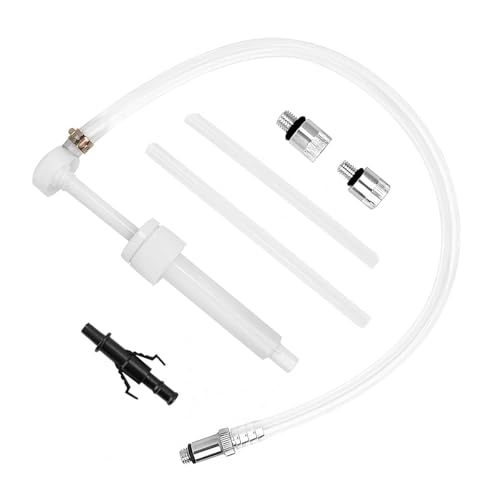
Complete 1 Set Kit: This car transmission fluid pump kit includes all necessary components for fluid transfer tasks. The full set comes with the main pump body and matching adapters, supporting direct use for various vehicle fluid changing needs.
Type Of Vehicle
The type of vehicle you own significantly impacts the cost of a transfer case fluid change. Larger vehicles, such as SUVs and trucks, typically require more fluid and potentially more labor. For example, changing fluid in a heavy-duty truck might cost $150 to $300, while a compact car could range from $100 to $200. Additionally, vehicles with specialized transfer cases often necessitate specific fluid types, which can further increase the cost.
Labor Costs
Labor costs vary based on the service provider and location. Typical shop rates range from $75 to $150 per hour. Some shops might offer flat-rate pricing for fluid changes, which can simplify budgeting. If you’re visiting a dealership, expect higher rates due to their specialized training and equipment. For instance, a fluid change at a dealership may run between $200 and $350, compared to a local mechanic’s service, which might cost $100 to $200.
Quality Of Fluid
The quality of the fluid used also influences overall costs. Standard transfer case fluids tend to be less expensive, whereas synthetic fluids often come with a higher price tag. High-quality synthetic fluids can cost anywhere from $20 to $50 per quart, significantly affecting the total price. However, investing in higher-quality fluids can enhance performance and extend your transfer case’s lifespan, making it a practical consideration in the long run.
Average Cost Breakdown
Understanding the cost of a transfer case fluid change helps you budget more effectively. Costs vary based on several factors, including whether you opt for a DIY job or hire a professional.
Recommended Products

Specifically approved for use in GM automatic four-wheel drive vehicles with transfer cases


Full-synthetic transfer case fluid for on-demand and full-time AWD/4x4 systems across European, Asian and US OEMs. Applications include Porsche Cayenne/Macan, BMW xDrive, Audi Quattro, Land Rover/Range Rover, Nissan, Mercedes-Benz 4MATIC (MB 239.41 Torque-on-Demand), Genesis/Kia TF-0870B (G70, G80, G90, Stinger AWD).
DIY Versus Professional Service
Choosing between a DIY fluid change or professional service affects your expenses significantly.
- DIY Cost: If you handle the fluid change yourself, you can expect to spend between $30 and $70. This includes the cost of fluid, which ranges from $10 to $30 per quart, plus tools if you don’t already own them. Completing the task yourself saves on labor costs, which can add significantly to your total.
- Professional Cost: Hiring a mechanic can cost anywhere from $100 to $250, depending on labor rates and the vehicle type. Dealerships generally charge more compared to local mechanics, with labor rates averaging $75 to $150 per hour. Professionals ensure that the proper fluid type is used and that the change is done correctly.
Regional Variations
Costs for a transfer case fluid change can also vary by region.
- US Regions: In urban areas, labor rates are typically higher, pushing total costs toward the upper end of the spectrum. For instance, cities like New York or San Francisco may see charges near $200, while suburban or rural areas may cost less, possibly falling below $100.
- Local Market Differences: Regional demand for certain vehicle services can affect costs. Areas with more four-wheel and all-wheel drive vehicles may see higher pricing due to increased competition among service providers. Prices may also fluctuate based on seasonal demand; for example, winterization services lead to higher costs in colder climates.
Understanding these aspects helps you make more informed decisions about budgeting for a transfer case fluid change.
Conclusion
Taking care of your transfer case fluid is key to keeping your vehicle running smoothly. By staying on top of maintenance you can save yourself from costly repairs down the road. Whether you decide to tackle the job yourself or seek professional help knowing the costs involved will help you budget accordingly.
Remember to consider factors like your vehicle type and local labor rates when planning for this service. With a little attention and care your transfer case can continue to perform at its best for years to come.
Frequently Asked Questions
What is transfer case fluid and why is it important?
Transfer case fluid lubricates the transfer case in four-wheel and all-wheel drive vehicles. It’s crucial for ensuring smoother operation, optimal performance, and preventing wear and damage to the system.
How often should I change transfer case fluid?
It is recommended to change transfer case fluid every 30,000 to 60,000 miles. This helps to maintain performance and prevent costly repairs due to degraded fluid.
What are the symptoms of degraded transfer case fluid?
Symptoms of degraded transfer case fluid include unusual noises, difficulty shifting gears, and fluid leaks. Noticing these signs early can help avoid major issues.
How do I check and change transfer case fluid?
To check the fluid, locate the fill plug on the transfer case and remove it. For changing, drain the old fluid, replace it with new, appropriate fluid, and refill it to the correct level. It’s advisable to consult the vehicle’s manual or a professional if unsure.
What affects the cost of changing transfer case fluid?
The cost can vary based on vehicle type, labor rates, and the quality of fluid used. DIY costs range from $30 to $70, while professional services can range from $100 to $250.
Is it better to change transfer case fluid myself or hire a professional?
If you’re comfortable performing maintenance and have the right tools, a DIY change can save you money. Otherwise, hiring a professional guarantees proper handling and peace of mind, especially for complicated systems.
How does location influence the cost of a transfer case fluid change?
Costs can differ based on geographic location. Urban areas often have higher labor rates, while local market conditions and seasonal demand can further impact prices.
