

Have you ever wondered what keeps your vehicle’s four-wheel drive running smoothly? If you drive an SUV or a truck, the transfer case plays a crucial role in how power gets distributed to your wheels. Just like any other part of your vehicle, it needs regular maintenance, and that’s where a transfer case fluid change comes in.
Imagine you’re planning an off-road adventure, but your vehicle starts acting up. A simple fluid change could’ve prevented that headache. This article will guide you through the importance of transfer case fluid changes, how often you should do it, and what benefits you’ll gain from keeping this essential component in top shape. You’ll feel more confident in your vehicle’s performance and reliability on any terrain.
Key Takeaways
- Understanding Transfer Case Fluid: Transfer case fluid is essential for lubrication and smooth operation between two-wheel and four-wheel drive modes, preventing wear and overheating.
- Regular Replacement Schedule: Changing transfer case fluid is typically recommended every 30,000 to 50,000 miles, depending on the vehicle and driving conditions.
- Signs for Fluid Change: Look for signs such as fluid discoloration, unusual noises, difficulty shifting between drive modes, or dashboard alerts to determine if a fluid change is necessary.
- Benefits of Timely Changes: Regular fluid changes enhance vehicle performance, reduce wear and tear on components, and improve fuel efficiency, especially during off-road driving.
- Proper Change Process: Follow a step-by-step process for changing transfer case fluid, including draining old fluid, adding new fluid, and checking for leaks to ensure optimal performance.
- Common Mistakes to Avoid: Avoid errors like neglecting maintenance schedules, using incorrect fluid types, and skipping inspections to maintain the longevity and efficiency of your vehicle’s drivetrain.
What Is A Transfer Case Fluid Change
A transfer case fluid change involves draining old fluid from the transfer case and replacing it with new fluid. This process keeps your vehicle’s four-wheel drive system functioning effectively. Regular fluid changes help maintain optimal performance and prevent potential damage.
Importance of Transfer Case Fluid
Transfer case fluid lubricates the components within the transfer case. Proper lubrication ensures smooth operation during shifting between two-wheel and four-wheel drive modes. It also protects gears, bearings, and seals from wear and tear. Over time, fluids can break down, leading to reduced protection and increased friction.
When to Change Transfer Case Fluid
Check your owner’s manual for specific intervals. Generally, changing the fluid every 30,000 to 50,000 miles is beneficial. Signs that it’s time for a change include:
- Fluid discoloration or cloudiness
- Unusual noises from the transfer case
- Difficulty shifting between drive modes
- Gather Tools and Supplies: Collect the necessary tools, like a drain pan, wrench, funnel, and new transfer case fluid.
- Position Your Vehicle: Park on a level surface and engage the parking brake.
- Locate the Transfer Case: Identify the transfer case underneath your vehicle. It’s typically near the transmission.
- Drain Old Fluid:
- Remove the drain plug with your wrench.
- Allow all fluid to drain into the pan.
- Replace the Drain Plug: Reinstall the drain plug securely.
- Add New Fluid:
- Locate the fill plug on the transfer case.
- Use the funnel to add new fluid until it reaches the recommended level.
- Check for Leaks: Start the vehicle and run it for a few minutes. Inspect the area around the transfer case for any leaks.
Performing a transfer case fluid change periodically keeps your vehicle running smoothly and can extend its lifespan.
Importance Of Transfer Case Fluid
Transfer case fluid plays a crucial role in maintaining your vehicle’s four-wheel drive system. Regular fluid changes help ensure efficient performance and prevent costly repairs.
Recommended Products

【Multiple Applications】This transmission fluid pump fits standard quart bottles come with 28mm bottle cap,with an 8cc per pump stroke capacity,Suitable for dozens of uses including oil changes,siphoning gasoline,and transferring a wide range of fluids such as engine oil, biodiesel, kerosene, or shampoo,detergent.

Efficient Pumping: This fluid transfer pump comes with two different height suction tubes for quart bottles of different heights, making it easy to reach the bottom of the bottle. Easily control the amount of fluid pumped out without worrying about overfilling, making oil change operations easier on boats and vehicles.
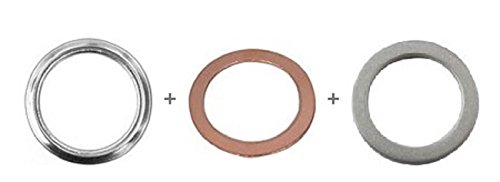
GENUINE TOYOTA GASKET KIT
Benefits Of Regular Changes
- Enhances Performance: Regular transfer case fluid changes improve the overall performance of your vehicle, especially during off-road driving. Fresh fluid ensures smooth shifting between four-wheel and two-wheel drive.
- Prevents Overheating: Old or contaminated fluid can lead to overheating. Regular changes help dissipate heat effectively, keeping the transfer case operating within its ideal temperature range.
- Reduces Wear and Tear: New fluid contains additives that protect vital components from wear. Keeping the fluid fresh minimizes the risk of damage, ensuring longevity for your vehicle’s drivetrain.
- Improves Fuel Efficiency: Clean fluid allows for better lubrication and less resistance. This can lead to improved fuel efficiency, making your vehicle more economical to operate.
- Fluid Color: Check the color of the transfer case fluid. Fresh fluid appears clear or light amber. Dark, murky, or milky fluid indicates contamination or the need for a change.
- Unusual Noises: Listen for grinding, whining, or clunking sounds when engaging the transfer case. These noises can signal insufficient lubrication from degraded fluid.
- Difficulty Shifting: If you experience hard shifting between modes, it could mean the fluid is old and ineffective. Smooth engagement is crucial for a responsive system.
- Warning Light: Some vehicles have dashboard alerts for transfer case issues. If a warning light appears, check the fluid level and condition immediately.
- Fluid Leaks: Observe the ground beneath your vehicle. Puddles of transfer case fluid indicate potential leaks that require attention.
The Process Of Changing Transfer Case Fluid
Changing transfer case fluid ensures your vehicle remains in peak condition for four-wheel drive performance. Here’s what you need to know.
Recommended Products

REACH HARD-TO-ACCESS SERVICE POINTS: Some maintenance jobs are difficult because fill ports are hidden or located in tight spaces. FOUR UNCLES Fluid Transfer Syringe with flexible hose helps you reach challenging areas while making fluid extraction and refilling easier and cleaner.

HANDY DESIGN - Plunger pump design screws in and locks down for storage. A third hand adapter secures the fill tube while pumping, offering convenience and ease of use.

HIGH-CAPACITY TRANSFER - This 200cc fluid extractor pump effectively removes and fills brake fluid, gear oil, antifreeze, and power steering fluid with precise control, making routine maintenance and fluid changes cleaner and more efficient
Tools Required
- Socket Set: For removing bolts and accessing the transfer case.
- Fluid Pump: To make filling the transfer case easier.
- Drain Pan: To catch the old fluid during removal.
- Oil Funnel: To prevent spills when adding new fluid.
- Shop Towels: For cleaning and wiping up any spills.
- Torque Wrench: To ensure bolts are tightened to the manufacturer’s specifications.
- Lift the Vehicle: Use a jack to raise the vehicle and secure it with jack stands for safety.
- Locate the Transfer Case: Identify the transfer case underneath your vehicle, usually situated between the transmission and the drive shaft.
- Drain the Old Fluid:
- Remove the drain plug with a socket set.
- Allow the fluid to drain completely into the drain pan.
- Replace the Drain Plug: Once drained, reinstall the drain plug securely to prevent leaks.
- Add New Fluid:
- Use a fluid pump and funnel to add new transfer case fluid through the fill plug.
- Follow the manufacturer’s specifications for the appropriate fluid type and capacity.
- Check Fluid Level: After adding fluid, ensure the level is correct by removing the fill plug. Fluid should trickle out when the level is adequate.
- Reinstall the Fill Plug: Tighten it securely to avoid leaks.
- Clean Up: Dispose of the old fluid properly and clean any spills with shop towels.
Performing a transfer case fluid change can significantly enhance your vehicle’s performance and longevity, especially during off-road activities.
Common Mistakes To Avoid
Avoid these common errors when changing your transfer case fluid:
- Neglecting the Manufacturer’s Recommendations
Neglect the fluid change schedule outlined in your vehicle’s manual. Following the specified intervals helps maintain optimal performance. - Using Incorrect Fluid
Use the wrong type of transfer case fluid. Consult your owner’s manual to ensure compatibility. Using the wrong fluid can cause damage. - Ignoring Signs of Wear
Ignore signs like unusual noises or difficulty shifting. Addressing these issues early can prevent more significant problems down the road. - Overfilling the Transfer Case
Overfill the transfer case with fluid. Check the dipstick or fill plug to ensure the appropriate level. Excess fluid can lead to leaks and other issues. - Skipping Fluid Inspection
Skip visual inspections of old fluid. Check for discoloration or metal shavings. Discolored fluid indicates it might be time for a change. - Not Checking for Leaks
Forget to check for leaks after fluid change. Ensure the seals and gaskets are intact. Catching leaks early can save you from costly repairs. - Rushing the Process
Rush through the fluid change. Take your time to lift the vehicle properly and allow old fluid to drain completely. Patience ensures a thorough job. - Inadequate Cleanup
Leave spills unattended. Clean up any spilled fluid immediately. This practice protects the environment and keeps your workspace safe.
By being mindful of these common mistakes, you ensure a successful transfer case fluid change but also enhance your vehicle’s durability and performance.
Recommended Products


Full-synthetic transfer case fluid for on-demand and full-time AWD/4x4 systems across European, Asian and US OEMs. Applications include Porsche Cayenne/Macan, BMW xDrive, Audi Quattro, Land Rover/Range Rover, Nissan, Mercedes-Benz 4MATIC (MB 239.41 Torque-on-Demand), Genesis/Kia TF-0870B (G70, G80, G90, Stinger AWD).

Specifically approved for use in GM automatic four-wheel drive vehicles with transfer cases
Conclusion
Taking care of your transfer case fluid is essential for keeping your vehicle running smoothly. By staying on top of regular fluid changes you can boost performance and extend the life of your four-wheel drive system.
Remember to follow the steps carefully and avoid common pitfalls to make the process as seamless as possible. With a little effort you’ll not only enjoy a better driving experience but also ensure your vehicle is ready for any adventure that comes your way. Happy driving!
Frequently Asked Questions
Why is it important to change transfer case fluid regularly?
Regular transfer case fluid changes are crucial for maintaining your vehicle’s four-wheel drive system. Fresh fluid improves performance, prevents overheating, reduces wear and tear, and enhances fuel efficiency, ensuring your vehicle runs smoothly, especially in tough conditions.
How often should I change my transfer case fluid?
It is generally recommended to change transfer case fluid every 30,000 to 50,000 miles, but this can vary based on your vehicle’s make, model, and driving conditions. Always consult your owner’s manual for specific guidelines.
What are the signs that my transfer case fluid needs to be changed?
Signs include grinding noises, difficulty shifting gears, leaks under the vehicle, and warning lights on the dashboard. If you notice any of these symptoms, it’s important to check and change the fluid promptly.
What mistakes should I avoid when changing transfer case fluid?
Avoid neglecting the manufacturer’s recommendations, using incorrect fluid, overfilling the transfer case, and skipping the fluid inspection. Rushing the process and inadequate cleanup can also lead to issues down the road.
Can I change transfer case fluid myself?
Yes, changing transfer case fluid can be a DIY task if you have basic mechanical skills. Follow a step-by-step guide, use the correct tools and fluid, and take your time to avoid common mistakes.
What type of fluid should I use for my transfer case?
Always refer to your vehicle’s owner’s manual for the recommended fluid type. It’s critical to use the proper fluid to ensure optimal performance and prevent damage to the transfer case.
How can I check for leaks after changing the fluid?
After changing the fluid, monitor the area under the vehicle for any signs of dripping fluid. Additionally, check the fluid level after a short drive to ensure there are no leaks around the transfer case.
