

Have you ever wondered what fluid goes in your vehicle’s transfer case? If you’re like many drivers, you might not give it much thought until something goes wrong. Understanding the right fluid can save you from costly repairs and keep your vehicle running smoothly.
Imagine you’re out on a weekend adventure, and suddenly your four-wheel drive system starts acting up. Knowing the proper fluid to use can help you avoid those frustrating moments. In this article, you’ll learn what fluid is essential for your transfer case and why it matters. With this knowledge, you’ll be better equipped to maintain your vehicle and enjoy worry-free drives.
Key Takeaways
- Understanding Transfer Cases: Transfer cases are vital for managing power in four-wheel and all-wheel drive systems, impacting overall vehicle performance.
- Fluid Types: Different transfer cases require specific fluids including Automatic Transmission Fluid (ATF), Gear Oil, and specialty Transfer Case Fluid; always consult your vehicle’s manual for guidance.
- Proper Maintenance: Regularly check fluid levels and replace transfer case fluid based on manufacturer recommendations, typically every 30,000 to 50,000 miles.
- Signs of Low Fluid: Watch for unusual noises, difficulty in engaging gears, and fluid leaks as indicators of low or contaminated fluid.
- Environmental Considerations: Choose transfer case fluid based on your local climate and driving conditions, ensuring optimal viscosity and performance.
- Preventive Measures: Early detection of fluid issues is key; regular inspections can prevent costly repairs and ensure smooth vehicle operation.
Understanding Transfer Cases
A transfer case is a crucial component of four-wheel drive and all-wheel drive systems in vehicles. It manages power between the front and rear axles. Understanding its function helps you maintain optimal vehicle performance.
Types of Transfer Cases
- Part-Time Transfer Cases
Part-time transfer cases engage either two-wheel drive or four-wheel drive. You should switch to four-wheel drive when necessary, such as in snow or off-road conditions. - Full-Time Transfer Cases
Full-time transfer cases provide power to all wheels continuously. These systems often include a center differential to manage differences in wheel speed. You’ll notice improved traction in various driving situations. - Electronic Transfer Cases
Electronic transfer cases use sensors and electronic controls to adjust power distribution. You engage these systems through a switch inside the vehicle, improving convenience and performance.
Importance of Proper Fluid
Using the correct fluid in your transfer case is essential. Each type of transfer case requires specific fluid types, such as:
- Automatic Transmission Fluid (ATF)
- Gear Oil
- Specialty Transfer Case Fluid
Refer to your vehicle’s manual for specific recommendations. Using the wrong fluid risks damage and reduces efficiency.
Signs of Insufficient Fluid
- Unusual Noises
Grinding or clunking noises can indicate low fluid levels. - Difficulty Engaging Gears
If gears won’t shift smoothly, your fluid might be low or degraded. - Fluid Leaks
Puddles or spots under your vehicle suggest leakage that must be addressed quickly.
- Locate the Fill Plug
Find the transfer case fill plug, usually on the side. - Check Fluid Level
Use your finger to check the fluid level; it should be just below the fill plug. - Add Fluid if Necessary
If low, add the appropriate fluid using a funnel. - Replace Fluid Periodically
Follow manufacturer guidelines for fluid replacement intervals. Generally, aim for every 30,000 to 50,000 miles for optimal performance.
By understanding your transfer case and using the right fluid, you promote better vehicle performance and longevity.
Types of Fluids for Transfer Cases
Different transfer cases require specific fluids to ensure optimal performance and longevity. Using the incorrect fluid can lead to mechanical issues. Here’s a breakdown of the common types of fluids used in transfer cases.
Recommended Products

FlexFill squeezable pouch releases 2X more fluid with less effort for 3X faster filling vs. traditional bottle packaging
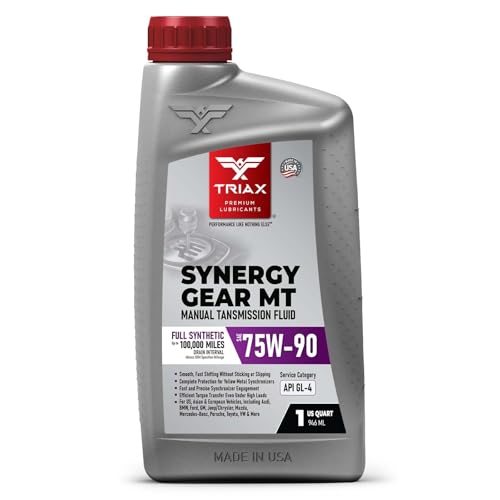
WIDE RANGE OF NORTH AMERICAN, EUROPEAN, AND ASIAN OEMs — Suitable for use where the following are required: VW/Audi G 052 911, G 005 000, 501.5 · BMW MTF-LT-4 · Mercedes-Benz 235.11 · Ford M2C175-A, XT-4-QGL · GM/GM-Daewoo 12345871, 89021806 · Toyota 08885-80917 · Mazda (MES) 115A · Hyundai/Kia 08950-00010-A · Nissan Mission Oil MP-G HQ · Jeep 0489722AA · New Venture Gear NV 4500 - and many other applications.

High-performance additives deliver 1.5X better gear wear protection
Automatic Transmission Fluid
Automatic transmission fluid (ATF) often serves as a fluid choice for some transfer cases. This fluid provides lubrication and hydraulic pressure necessary for smooth operation. If your vehicle specifies ATF, use a high-quality option that meets the manufacturer’s specifications. For example, brands like Dexron and Mercon offer compatible varieties for many models.
Transfer Case Fluid
Transfer case fluid is specially formulated for use in transfer cases. This fluid includes additives to enhance its protective properties and performance in extreme temperatures. When checking your vehicle’s manual, ensure compliance with recommended transfer case fluids. These fluids maintain proper viscosity, ensuring efficient power distribution to all four wheels during driving conditions.
Gear Oil
Gear oil functions in transfer cases that require thicker lubrication for heavy-duty performance. This type of oil contains additives that enhance its strength against wear and high pressure. Typically used in off-road vehicles and trucks, gear oil offers superior protection under challenging conditions. Always confirm the correct viscosity, usually around 75W-90 or 80W-140, as per your vehicle’s requirements.
Factors to Consider When Choosing Fluid
Choosing the right fluid for your transfer case involves several important factors. Understanding these factors can ensure optimal performance and longevity of your vehicle.
Recommended Products

Specifically approved for use in GM automatic four-wheel drive vehicles with transfer cases

Meets the challenging demands of different all-wheel and four-wheel drive vehicles with multi-powered axles

Long lasting endurance
Vehicle Manufacturer Recommendations
Follow your vehicle manufacturer’s recommendations closely. Check your owner’s manual for specific fluid types and specifications. Manufacturers often test their vehicles to determine the ideal fluid for each model. Using recommended fluids helps maintain warranty coverage and prevents potential damage caused by incompatible fluids.
Climate and Driving Conditions
Consider your climate and driving conditions when selecting transfer case fluid. Extreme temperatures can impact fluid viscosity and performance. For instance, if you drive in very cold or hot regions, opt for fluid formulated to withstand these conditions. Heavy towing or off-road driving also demands a robust fluid that can handle added stress. Always choose fluids designed for specific environmental or operational challenges to ensure your transfer case operates smoothly.
Common Signs of Low or Contaminated Fluid
Detecting low or contaminated transfer case fluid early prevents potential damage to your vehicle. Watch for these warning signs:
Recommended Products

Full-synthetic transfer case fluid for on-demand and full-time AWD/4x4 systems across European, Asian and US OEMs. Applications include Porsche Cayenne/Macan, BMW xDrive, Audi Quattro, Land Rover/Range Rover, Nissan, Mercedes-Benz 4MATIC (MB 239.41 Torque-on-Demand), Genesis/Kia TF-0870B (G70, G80, G90, Stinger AWD).

【Multiple Applications】This transmission fluid pump fits standard quart bottles come with 28mm bottle cap,with an 8cc per pump stroke capacity,Suitable for dozens of uses including oil changes,siphoning gasoline,and transferring a wide range of fluids such as engine oil, biodiesel, kerosene, or shampoo,detergent.

Genuine OEM Factory Part in Original Retail Packaging
Unexpected Noises
Listen for unusual sounds coming from the transfer case. Grinding, clunking, or whining noises often indicate low fluid levels or contamination.
Difficulty Engaging Gears
Struggling to engage or switch between four-wheel drive and two-wheel drive can signal insufficient fluid or faulty fluid quality.
Fluid Leaks
Check under your vehicle for signs of fluid pooling. Leaks may arise from seals wearing down or damage to the transfer case itself.
Overheating
An overheating transfer case might suggest insufficient lubrication. Monitor for overheating warning lights or a burning smell.
Discolored Fluid
Inspect the transfer case fluid. If it appears dark or has a burnt smell, it likely indicates contamination or chemical breakdown.
Increased Wear on Components
Examine gears and internal components for excessive wear. Low fluid or dirty fluid can lead to rapid deterioration.
Regularly checking for these signs helps maintain performance. If you notice any of these issues, consider consulting a mechanic for a thorough inspection and possible fluid change.
Conclusion
Taking care of your transfer case is key to keeping your vehicle running smoothly. By using the right fluid and staying alert to any signs of trouble you can prevent costly repairs down the road. Regular maintenance checks will help you catch issues early and ensure your four-wheel drive system performs at its best. Remember that a little attention goes a long way in extending the life of your vehicle’s components. So keep an eye on your transfer case fluid and enjoy the ride!
Frequently Asked Questions
What is a transfer case in a vehicle?
A transfer case is a crucial component in four-wheel drive vehicles that distributes power from the transmission to the front and rear axles. It allows for the switching between two-wheel and four-wheel drive modes, enhancing traction and control on various terrains.
Why is using the correct fluid in a transfer case important?
Using the correct fluid is vital to prevent damage and ensure efficient operation of the transfer case. The right fluid maintains proper lubrication and cooling, which helps in avoiding costly repairs and extending the lifespan of the component.
What are the signs of low or contaminated transfer case fluid?
Signs include unusual noises, difficulty engaging gears, fluid leaks, overheating, discolored fluid, and increased wear on components. Recognizing these indicators early can help prevent severe damage and ensure smooth vehicle operation.
How often should I check my transfer case fluid?
It’s recommended to check the transfer case fluid regularly, typically every few months or during routine vehicle maintenance. Regular inspections help catch potential issues before they lead to costly repairs or breakdowns.
When should I consult a mechanic regarding my transfer case?
If you notice any signs of low or contaminated fluid, such as strange noises or difficulty in shifting, it’s essential to consult a mechanic. They can perform a thorough inspection and recommend necessary fluid changes or repairs.
