

Do you know what type of fluid goes in your Chevy transfer case? If you’re like many vehicle owners, you might not give it much thought until something goes wrong. Using the right fluid is crucial for keeping your transfer case running smoothly and efficiently, especially if you often tackle tough terrains or face harsh weather conditions.
Key Takeaways
- Chevy Transfer Case Functionality: Understand that the transfer case is vital for distributing power in four-wheel-drive systems, enhancing vehicle traction and control.
- Fluid Types: Utilize the correct fluids for optimal performance—Dexron III ATF for older models, GM’s transfer case fluid for newer BorgWarner cases, and SAE 75W-90 Gear Oil for specific older models.
- Regular Maintenance: Change the transfer case fluid every 30,000 to 50,000 miles for light-duty use and every 15,000 to 30,000 miles when driving under heavy-duty conditions.
- Fluid Checking: Regularly check fluid levels and quality. Proper fluid level should be even with the fill hole, and dark or burnt-smelling fluid indicates a need for replacement.
- Signs of Problems: Watch for symptoms such as unusual noises, difficulty shifting, and fluid leaks, which may indicate issues with the transfer case fluid.
- Importance of Correct Fluid: Using the right fluid not only enhances performance but also extends the lifespan of the transfer case by reducing friction and preventing overheating.
Understanding Chevy Transfer Cases
Chevy transfer cases play a crucial role in your vehicle’s four-wheel-drive system. They distribute power from the transmission to the front and rear axles, enabling improved traction and control. Using the right fluid can enhance performance, prevent damage, and extend the life of your transfer case.
Types of Chevy Transfer Cases
- New Process (NP) Transfer Cases: Common in older models, these cases include NP203, NP205, and NP231. They’re known for their durability and simplicity.
- BorgWarner Transfer Cases: Featured in many newer models, these cases, like the BW4401 and BW4481, incorporate advanced designs for smooth operation.
Recommended Fluid Types
You must use the correct fluid type for optimal performance. Here are some commonly recommended fluids:
- Dexron III Automatic Transmission Fluid (ATF): Often used in NP203 and NP205 transfer cases.
- GM’s transfer case fluid: Typically specified for newer models with BorgWarner cases.
- SAE 75W-90 Gear Oil: Suitable for certain older transfer cases or when specified by the manufacturer.
Fluid Change Intervals
Regular fluid changes ensure your transfer case operates smoothly. Here are general guidelines:
- Every 30,000 to 50,000 miles: For light-duty use.
- Every 15,000 to 30,000 miles: For heavy-duty use or in harsh conditions.
Checking Fluid Levels
- Locate the Fill Plug: Find the fill plug on your transfer case, typically on the side.
- Check Fluid Level: Remove the plug. The fluid should be even with the hole. If it’s low, add the recommended fluid until it reaches the desired level.
- Examine Fluid Quality: Inspect the fluid for color and consistency. If it looks dark or has a burnt smell, consider replacing it.
Signs of Fluid Issues
Keep an eye out for symptoms that indicate fluid issues. These may include:
- Unusual noises: Grinding or clunking sounds when engaging or disengaging four-wheel drive.
- Difficulty shifting: Resistance or grinding while shifting gears in the transfer case.
- Fluid leaks: Puddles of fluid under your vehicle could indicate a problem.
By understanding your Chevy transfer case and the proper fluid requirements, you can maintain your vehicle’s performance and safety on the road or off the beaten path.
Importance of Proper Fluid
Using the correct fluid in your Chevy transfer case plays a vital role in maintaining vehicle performance and efficiency. The right fluid ensures that all components operate smoothly while protecting against wear.
Recommended Products

Genuine OEM Toyota Transmission Fluid

Long lasting endurance
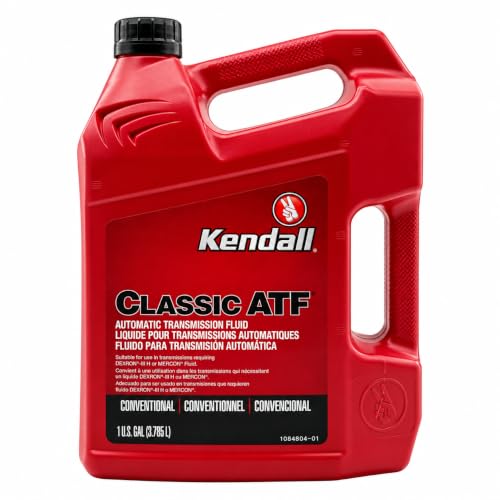
One-gallon jug: Includes one jug containing 1 US gallon (128 fl oz) of Kendall Classic ATF conventional automatic transmission fluid for maintenance in compatible applications
Effects on Performance
Proper fluid significantly enhances the performance of your transfer case. It facilitates smooth power transfer between the front and rear axles, which improves traction and handling. For instance, when the correct Dexron III ATF or SAE 75W-90 Gear Oil is used, your vehicle responds better in various driving conditions, like off-roading or navigating slippery surfaces. A well-lubricated system prevents slipping and grinding, allowing for a more responsive drive.
Effects on Longevity
Using the right fluid extends the lifespan of your transfer case. Quality fluid reduces friction and prevents overheating, which often leads to premature failure of components. Regularly changing the fluid based on usage not only keeps it clean but also removes harmful contaminants. For example, changing the fluid every 30,000 to 50,000 miles can help maintain optimal function and avoid costly repairs. Proper fluid levels and maintenance routines help ensure that your transfer case operates accurately over many years of use.
Types of Fluids Used
Using the right type of fluid in your Chevy transfer case significantly affects performance and longevity. Your choices generally fall into two categories: OEM recommendations and alternative fluids.
Recommended Products

PREMIUM DEXRON 3 TRANSMISSION FLUID – Specially formulated to meet or exceed GM Dexron III and Ford Mercon requirements, delivering reliable performance for a wide range of vehicles.
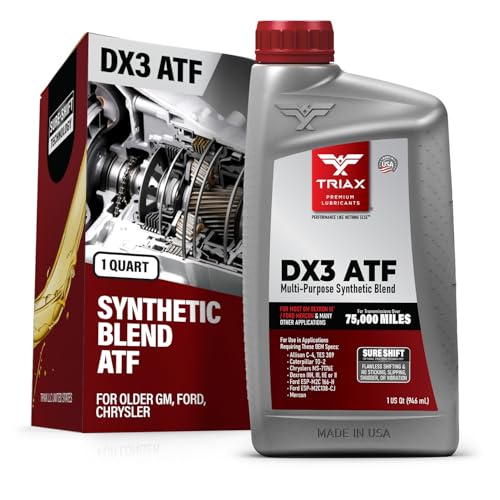
WIDE SPEC COMPATIBILITY: Compatible with Dexron IIIH, III, IIE, and II, Chrysler MS-7176E, Allison TES 389, Allison C-4, ZF TE-ML 14A, 04D, 17C, and 03D, Ford ESP-M2C 166H, Ford ESP-M2C138CJ, Ford Mercon, and Caterpillar TO-2
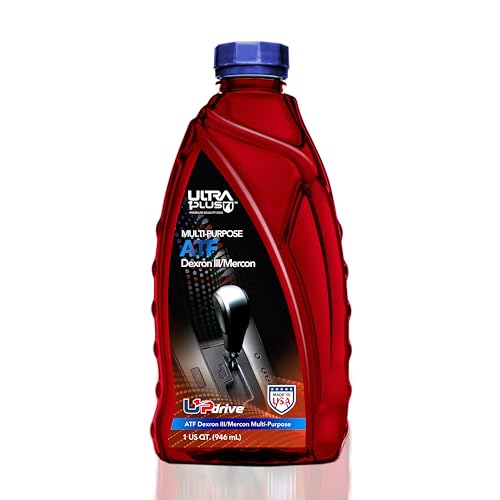
PREMIUM DEXRON 3 TRANSMISSION FLUID – Specially formulated to meet or exceed GM Dexron III and Ford Mercon requirements, delivering reliable performance for a wide range of vehicles.
OEM Recommendations
Chevrolet provides specific fluid recommendations for each transfer case. Typically, you may find that most Chevy transfer cases require Dexron III ATF or SAE 75W-90 Gear Oil.
- Dexron III ATF: This automatic transmission fluid works best for certain transfer cases, especially those in older models. It’s crucial for smooth shifting and optimal performance.
- SAE 75W-90 Gear Oil: This fluid is often recommended for heavy-duty transfer cases due to its excellent lubrication properties, protecting gears from wear.
Always check your owner’s manual for precise specifications based on your vehicle’s model and year.
Alternative Fluids
While OEM fluids work well, alternative fluids may suit your needs. Here are some options:
- Synthetic ATF: Synthetic variants can offer better temperature stability and improved protection against breakdown. They enhance performance in extreme conditions.
- Full Synthetic Gear Oil: This option provides superior lubrication and can reduce friction, boosting fuel efficiency. Look for fluids with the proper API rating.
Before switching to alternative fluids, confirm compatibility with your transfer case. Always consult your vehicle’s manual or a professional mechanic for tailored advice.
How to Check and Replace Fluid
Checking and replacing the fluid in your Chevy transfer case is essential for maintaining performance and longevity. Follow these steps to ensure everything runs smoothly.
Recommended Products

Specifically approved for use in GM automatic four-wheel drive vehicles with transfer cases

⛽ Portable Design: This fluid pump automotive has a portable design that screws in and locks, and is equipped with the adapter to hold the infusion tube in place during transfer, making it easy to use. Equipped with two different lengths of hoses for different heights of quart bottles, to meet your needs of different sizes.

Our Parts are of the highest quality and meet all standards set by professional installers
Checking Fluid Levels
- Locate the Fill Plug: Find the fill plug on your transfer case. It’s often located on the side or rear.
- Clean the Area: Wipe around the plug with a clean rag to prevent dirt from entering the case.
- Remove the Plug: Use the correct-sized socket or wrench to remove the fill plug.
- Check the Fluid: Use your finger to feel the fluid level. It should be just below the fill hole. If you can’t feel any fluid, it’s time to add more.
- Inspect Fluid Condition: Check the color and consistency of the fluid. Clean, bright red fluid signals good condition. Dark or gritty fluid indicates that a change is needed.
- Gather Supplies: Get the right fluid type, a fluid pump, a container, and a wrench.
- Lift the Vehicle: Use jack stands to elevate your Chevy safely.
- Drain Old Fluid: Remove the drain plug, and allow the old fluid to flow into your container. Dispose of it properly.
- Replace the Plug: Reinstall the drain plug to prevent leaks.
- Add New Fluid: Insert the fluid pump into the fill hole, and pump in the new transfer case fluid until it starts to seep out of the fill hole.
- Replace the Fill Plug: Once done, reinstall the fill plug and tighten it securely.
- Check for Leaks: After the job, start the vehicle and observe for any leaks around the plugs.
Completing these tasks will help maintain your Chevy’s transfer case, ensuring better performance on the road or off the beaten path.
Conclusion
Taking care of your Chevy transfer case is essential for keeping your vehicle running smoothly. By using the right fluid and following the recommended maintenance practices you can enhance performance and extend its lifespan. Regular checks and timely fluid changes can prevent costly repairs down the line. Don’t hesitate to consult your owner’s manual or a professional if you’re unsure about what fluid to use or how to maintain your transfer case. Your Chevy deserves the best care to keep you on the road with confidence.
Frequently Asked Questions
What type of fluid is recommended for Chevy transfer cases?
The recommended fluids for Chevy transfer cases include Dexron III ATF and SAE 75W-90 Gear Oil. Choosing the correct fluid is crucial for maintaining optimal performance and durability.
How often should I change the transfer case fluid?
Transfer case fluid should typically be changed every 30,000 to 60,000 miles. However, it’s best to consult your vehicle owner’s manual for specific intervals based on driving conditions.
Why is it important to use the correct transfer case fluid?
Using the correct fluid helps reduce friction, prevent overheating, and extend the lifespan of the transfer case. It ensures smoother operation and better traction in four-wheel-drive systems.
Can I switch transfer case fluids?
Switching transfer case fluids is possible, but it’s vital to consult the OEM recommendations. Additionally, consulting a professional can help avoid compatibility issues.
How do I check the transfer case fluid levels?
To check the fluid levels, locate the fill plug on the transfer case, remove it, and inspect the fluid condition. If it’s low or dirty, it’s time to replace it.
