

Have you ever wondered how often you should change your transfer case fluid? Many drivers overlook this essential maintenance step, which can lead to costly repairs down the line. If you’ve ever felt your vehicle struggling in tough conditions or noticed unusual noises, it might be time to take a closer look.
Keeping your transfer case fluid fresh is crucial for smooth operation and longevity of your vehicle’s drivetrain. This article will guide you through the recommended intervals for changing the fluid, signs that indicate it’s time for a change, and tips for maintaining your transfer case. By understanding this simple yet vital aspect of vehicle care, you’ll help ensure your ride stays reliable and efficient.
Key Takeaways
- Optimal Change Interval: Change transfer case fluid every 30,000 to 60,000 miles to maintain vehicle performance and prolong drivetrain life.
- Key Functions: Transfer case fluid lubricates components, prevents overheating, and protects against dirt and metal particles.
- Signs of Degradation: Watch for unusual noises, difficulty shifting, or fluid discoloration, as these may indicate contamination or fluid issues.
- Vehicle-Specific Needs: Consider your vehicle type and usage (e.g., towing or off-roading) for tailored fluid change recommendations.
- Benefits of Regular Changes: Fresh fluid enhances performance, improves fuel efficiency, reduces wear, and extends the lifespan of the transfer case.
- Professional Guidance: Consult your owner’s manual or a mechanic for specific recommendations tailored to your vehicle’s needs.
Importance Of Transfer Case Fluid
Transfer case fluid plays a crucial role in the functionality of your vehicle’s drivetrain. This fluid lubricates the gears and other components, ensuring smooth operation when shifting between different drive modes. Without proper fluid, friction increases, leading to wear and potential damage.
Regularly changing the transfer case fluid prevents dirt and metal particles from accumulating. Clean fluid protects components from overheating and helps maintain optimal performance. This maintenance step directly impacts your vehicle’s reliability, making it essential for both performance and longevity.
Consider the following key benefits:
- Lubrication: Fresh fluid reduces friction between moving parts.
- Cooling: Fluid helps dissipate heat generated by the transfer case, preventing overheating.
- Contamination Prevention: Regular changes remove debris and contaminants that could harm the drivetrain.
When transfer case fluid isn’t changed, signs of trouble may appear. You might notice unusual noises or difficulty shifting gears. These symptoms signal a need for immediate attention.
Adhering to the recommended fluid change intervals maximizes these benefits. Check your owner’s manual for specific guidance. Generally, consider changing the fluid every 30,000 to 60,000 miles, but keep an eye on your vehicle’s performance for the best results.
Recommended Change Intervals
Regular transfer case fluid changes help maintain vehicle performance and prolong drivetrain life. Follow these guidelines for optimal results.
Recommended Products

【Multiple Applications】This transmission fluid pump fits standard quart bottles come with 28mm bottle cap,with an 8cc per pump stroke capacity,Suitable for dozens of uses including oil changes,siphoning gasoline,and transferring a wide range of fluids such as engine oil, biodiesel, kerosene, or shampoo,detergent.

Efficient Pumping: This fluid transfer pump comes with two different height suction tubes for quart bottles of different heights, making it easy to reach the bottom of the bottle. Easily control the amount of fluid pumped out without worrying about overfilling, making oil change operations easier on boats and vehicles.
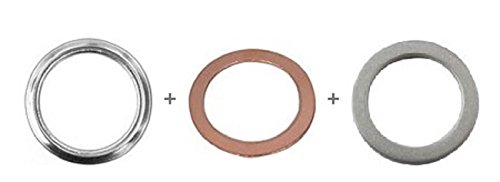
GENUINE TOYOTA GASKET KIT
General Guidelines
Change transfer case fluid every 30,000 to 60,000 miles. This interval varies based on driving conditions and manufacturer recommendations. Frequent short trips, towing, or driving in rough terrain may necessitate more frequent changes. Always consult your owner’s manual for specific recommendations.
Vehicle-Specific Considerations
Different vehicles have varying requirements for transfer case fluid. For example, off-road vehicles or those used for towing usually require more frequent changes due to the added stress on the drivetrain. Additionally, some newer vehicles might feature advanced fluids designed to last longer. Always check for your vehicle’s specific needs. When in doubt, consider contacting a professional mechanic for tailored advice.
Signs Of Transfer Case Fluid Degradation
You can identify transfer case fluid degradation through several signs. Monitoring these indicators helps maintain your drivetrain’s performance.
Recommended Products

Full-synthetic transfer case fluid for on-demand and full-time AWD/4x4 systems across European, Asian and US OEMs. Applications include Porsche Cayenne/Macan, BMW xDrive, Audi Quattro, Land Rover/Range Rover, Nissan, Mercedes-Benz 4MATIC (MB 239.41 Torque-on-Demand), Genesis/Kia TF-0870B (G70, G80, G90, Stinger AWD).

Specifically approved for use in GM automatic four-wheel drive vehicles with transfer cases

Long lasting endurance
Performance Issues
Noticeable performance issues indicate potential fluid problems. If your vehicle struggles with shifting or experiences unexpected gear changes, check the fluid. Sluggish acceleration or difficulty in engaging four-wheel drive also suggests fluid degradation. Pay attention to any unusual noises, such as grinding or clunking sounds, while driving. These issues often stem from worn or contaminated fluid.
Fluid Contamination
Fluid contamination affects transfer case functionality. You can visually inspect the fluid for discoloration or cloudiness. Healthy fluid usually maintains a clear or light color. If the fluid appears dark or has a burnt odor, contamination likely exists. Additionally, debris or metal shavings indicate wear within the transfer case. Regular inspections help catch these problems early, preventing further damage and costly repairs.
Benefits Of Regular Fluid Changes
Changing transfer case fluid regularly offers several key advantages:
- Prevents Wear and Tear
Regular fluid changes reduce friction between moving parts, preventing premature wear and maintaining optimal function. - Enhances Performance
Fresh fluid ensures smooth shifting and optimal power distribution, enhancing overall vehicle performance, especially in demanding conditions. - Extends Lifespan
Regular maintenance, including fluid changes, extends the lifespan of the transfer case, saving you from costly repairs or replacements. - Improves Fuel Efficiency
Healthy transfer case fluid contributes to better fuel efficiency by reducing energy loss, which can lead to savings at the pump over time. - Minimizes Contamination
Changing your fluid prevents the buildup of contaminants, providing a cleaner system that operates more effectively. - Facilitates Early Problem Detection
Regular fluid changes allow mechanics to spot potential issues early, helping you avoid more severe problems down the line. - Promotes Reliability
Routine maintenance builds trust in your vehicle’s reliability, ensuring it performs as needed during critical times.
Investing in regular transfer case fluid changes protects your vehicle and enhances your driving experience.
Recommended Products

[High-quality Materials] The lower gear oil pump is made of high-quality materials, which is durable and ensures fast and precise refilling of lubricating oil for the lower device of the marine engine, and is easy to use.

Compatible With Toyota Lexus Scion Transfer Case And Differential Service Transfer & Differential Service Gasket Kit

Meets the challenging demands of different all-wheel and four-wheel drive vehicles with multi-powered axles
Conclusion
Keeping an eye on your transfer case fluid is key to a smooth driving experience. Regular changes can save you from costly repairs and keep your vehicle running efficiently. Remember to check your owner’s manual for specific guidelines and consider your driving habits. If you notice any signs of fluid degradation or performance issues don’t hesitate to consult a mechanic. By staying proactive with your maintenance you’re not just protecting your vehicle but also ensuring every drive is enjoyable.
Frequently Asked Questions
What is transfer case fluid and why is it important?
Transfer case fluid lubricates the drivetrain components, helping prevent friction and wear. It plays a critical role in maintaining the functionality of your vehicle’s transfer case, ensuring smooth operation and preventing potential damage.
How often should I change my transfer case fluid?
It is recommended to change transfer case fluid every 30,000 to 60,000 miles. However, specific driving conditions, such as off-roading or towing, may necessitate more frequent changes. Always check your owner’s manual for personalized guidelines.
What are the signs that my transfer case fluid needs changing?
Signs of degraded transfer case fluid include shifting problems, unusual noises, and poor performance. If you notice these issues, it’s essential to inspect the fluid and consider a change to prevent further damage.
How can I tell if my transfer case fluid is contaminated?
Contaminated transfer case fluid may appear discolored, cloudy, or contain debris. Regular visual inspections can help detect these issues early, ensuring your transfer case functions smoothly.
What are the benefits of regular transfer case fluid changes?
Regularly changing transfer case fluid prevents wear and tear, enhances overall performance, extends the lifespan of the transfer case, improves fuel efficiency, minimizes contamination, and promotes reliability in your vehicle for a better driving experience.
