

Have you ever wondered if your vehicle’s transfer case fluid needs a change? You’re not alone. Many drivers overlook this crucial maintenance task, but neglecting it can lead to costly repairs down the road.
Imagine you’re gearing up for a road trip, and suddenly your all-wheel drive system starts acting up. It’s frustrating and can put a damper on your plans. This article will help you understand the signs that indicate it’s time to change your transfer case fluid, how often you should do it, and the benefits of keeping it fresh. By the end, you’ll feel confident in making the right decision for your vehicle’s health.
Key Takeaways
- Regularly changing your transfer case fluid is essential for maintaining your vehicle’s four-wheel drive system, preventing costly repairs.
- Transfer case fluid lubricates critical components, reduces wear and tear, enhances performance, and helps prevent overheating.
- Key indicators that it’s time to change the fluid include dashboard warning lights, unusual noises, or difficulties in shifting gears.
- Vehicle make, model, and driving conditions significantly influence the frequency of fluid changes; consult your owner’s manual for specifics.
- Follow manufacturer guidelines for fluid change intervals, typically between 30,000 to 50,000 miles, adjusting for personal driving conditions.
- Whether to perform maintenance yourself or seek professional help depends on your skills and comfort level; both options have their benefits.
Understanding Transfer Case Fluid
Transfer case fluid plays a crucial role in the performance of your vehicle’s four-wheel drive system. It lubricates gears, enables smooth shifting, and prevents overheating. Regular maintenance ensures optimal functionality and longevity.
Recommended Products

Full-synthetic transfer case fluid for on-demand and full-time AWD/4x4 systems across European, Asian and US OEMs. Applications include Porsche Cayenne/Macan, BMW xDrive, Audi Quattro, Land Rover/Range Rover, Nissan, Mercedes-Benz 4MATIC (MB 239.41 Torque-on-Demand), Genesis/Kia TF-0870B (G70, G80, G90, Stinger AWD).


Specifically approved for use in GM automatic four-wheel drive vehicles with transfer cases
What Is Transfer Case Fluid?
Transfer case fluid is a specialized lubricant designed for the transfer case, a critical component in four-wheel and all-wheel drive systems. It facilitates the transfer of power from the transmission to the wheels. This fluid keeps the gears lubricated, reducing friction and wear. Using the correct type of fluid is essential, as different vehicles require specific formulations, such as automatic transmission fluid or dedicated transfer case fluid.
Importance of Transfer Case Fluid
Maintaining fresh transfer case fluid offers several benefits:
- Prevents Gear Damage: Clean fluid minimizes wear and tear on gears, extending their lifespan.
- Enhances Performance: Proper lubrication ensures smoother operation, improving handling and drivability.
- Reduces Overheating: Adequate fluid levels help disperse heat, reducing the risk of overheating during heavy use.
Neglecting transfer case fluid changes may lead to severe complications, such as costly repairs or even complete transfer case failure. Regular checks and timely fluid changes can help maintain your vehicle’s performance and reliability.
Signs You Should Change Transfer Case Fluid
Pay attention to specific signs that indicate it’s time to change your transfer case fluid. Recognizing these can help you maintain vehicle performance and prevent costly repairs.
Recommended Products

Some GM Genuine Parts may have formerly appeared as ACDelco GM Original Equipment (OE)

Package Dimensions: 15.494 H x 26.924 L x 16.002 W (centimeters)

HIGH PERFORMANCE - gear protection and longer synchro life, Satisfies the gear oil viscosity requirements of 70W & 75W
Warning Lights and Alerts
Check for dashboard warning lights related to your transfer case or four-wheel drive system. If a light illuminates, it often signals potential issues with the fluid or system components. Read your vehicle’s manual for specific alerts, as they can provide critical guidance on what actions to take next.
Unusual Noises or Handling
Listen for unusual noises like grinding, whining, or clunking while driving. These sounds often suggest low or dirty transfer case fluid. Notice any changes in handling, such as difficulty shifting between gears or delayed response in four-wheel drive engagement. These symptoms indicate the transfer case fluid may not be lubricating correctly, requiring immediate attention.
Factors Influencing Transfer Case Fluid Change
Various factors determine when you should change your transfer case fluid. Understanding these factors can help maintain your vehicle’s performance and extend its lifespan.
Vehicle Make and Model
Different vehicles have specific requirements for transfer case fluid changes. Consult your owner’s manual for the recommended intervals based on your make and model. Some vehicles, like trucks or SUVs built for off-road use, may require more frequent changes due to increased strain on the transfer case. If you drive a high-performance vehicle, you might need to adjust your schedule as well.
Driving Conditions
Driving conditions greatly influence the need for fluid changes. Frequent stop-and-go traffic, off-roading, or towing heavy loads can put extra stress on your transfer case. Under these conditions, fluid may degrade faster, so monitor its condition more closely. If you often encounter rough terrains or high temperatures, consider changing the fluid sooner than the recommended schedule. Regular inspections can alert you to changes that necessitate a replacement.
Recommended Maintenance Schedule
Regular maintenance of your transfer case fluid is crucial for optimal vehicle performance. Adhering to a solid maintenance schedule can prevent issues and extend the lifespan of your four-wheel drive system.
Recommended Products

【Multiple Applications】This transmission fluid pump fits standard quart bottles come with 28mm bottle cap,with an 8cc per pump stroke capacity,Suitable for dozens of uses including oil changes,siphoning gasoline,and transferring a wide range of fluids such as engine oil, biodiesel, kerosene, or shampoo,detergent.

Efficient Pumping: This fluid transfer pump comes with two different height suction tubes for quart bottles of different heights, making it easy to reach the bottom of the bottle. Easily control the amount of fluid pumped out without worrying about overfilling, making oil change operations easier on boats and vehicles.
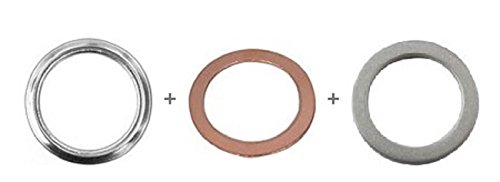
GENUINE TOYOTA GASKET KIT
Manufacturer Guidelines
Follow the manufacturer’s recommendations for fluid change intervals. Many manufacturers suggest changing the transfer case fluid every 30,000 to 50,000 miles. Check your owner’s manual for specific guidelines tailored to your vehicle’s make and model. It’s also wise to remember that driving conditions, such as frequent towing or off-roading, may shorten this interval. In such cases, consider changing the fluid every 15,000 to 30,000 miles.
DIY Maintenance vs Professional Service
Deciding between DIY maintenance and seeking professional service depends on your comfort level and experience.
- DIY Maintenance: If you choose to tackle this task yourself, gather the necessary tools, including a wrench set, fluid pump, and the correct transfer case fluid. Consult a reliable guide or video for a step-by-step process. Remember to use the precise fluid recommended by your vehicle’s manufacturer.
- Professional Service: If you’re unsure about performing the task, consider hiring a professional. An experienced mechanic can ensure the job gets done correctly and identify any potential issues during the service. Professional maintenance typically includes a thorough inspection of the entire drivetrain, providing extra peace of mind.
Evaluate your skills and the complexity of the task to make an informed decision.
Conclusion
Taking care of your transfer case fluid is essential for the longevity of your vehicle’s four-wheel drive system. By staying on top of fluid changes and recognizing any warning signs you can prevent bigger issues down the road.
Remember to follow your manufacturer’s guidelines for fluid change intervals and choose the right fluid for your vehicle. Whether you decide to tackle this maintenance task yourself or seek professional help it’s all about keeping your ride running smoothly.
So keep an eye on that transfer case fluid and enjoy a safer more reliable driving experience.
Frequently Asked Questions
What is transfer case fluid, and why is it important?
Transfer case fluid lubricates and cools the components of the transfer case in four-wheel drive systems. It ensures smooth shifting between drive modes and helps prevent overheating, which can lead to costly repairs.
How often should I change my transfer case fluid?
It’s generally recommended to change transfer case fluid every 30,000 to 50,000 miles. However, factors such as manufacturer guidelines and your driving conditions may require more frequent changes.
What signs indicate a need for transfer case fluid change?
Look for dashboard warning lights, unusual noises during operation, or changes in handling. These signs may suggest that your transfer case fluid needs to be checked or changed.
Can I change transfer case fluid myself?
Yes, you can change transfer case fluid yourself if you have the necessary skills and tools. Make sure to use the exact fluid type recommended by your vehicle’s manufacturer for optimal performance.
What tools do I need for a DIY transfer case fluid change?
You’ll typically need basic tools like a wrench set, a funnel, and a container for draining the old fluid. Additionally, having the correct fluid type on hand is essential for the process.
What happens if I don’t change my transfer case fluid?
Neglecting to change transfer case fluid can lead to overheating, poor shifting performance, and ultimately, expensive repairs. Regular maintenance is crucial to keep your four-wheel drive system operating smoothly.
Should I follow my vehicle’s maintenance schedule?
Yes, following your vehicle’s recommended maintenance schedule is essential. This ensures that you change the transfer case fluid at the right intervals, helping to maintain your vehicle’s performance and longevity.
