

Have you ever wondered if your vehicle’s transfer case is running smoothly? Ignoring the fluid level can lead to serious issues down the road. Checking the transfer case fluid is a simple yet crucial task that ensures your vehicle performs at its best, especially if you drive an all-wheel or four-wheel drive.
Key Takeaways
- Importance of Transfer Case Fluid: Regularly checking your transfer case fluid is essential for maintaining your vehicle’s drivetrain, especially in all-wheel and four-wheel drive systems to prevent costly repairs.
- Types of Transfer Case Fluids: Different fluid types, such as Automatic Transmission Fluid (ATF), Gear Oil, and Synthetic Fluids, are designed for specific applications—always refer to your vehicle’s manual for the right choice.
- Tools Needed: Essential tools for checking fluid levels include a ratchet and socket set, fluid pump, oil catch pan, torque wrench, and safety gear to ensure an efficient and safe process.
- Step-by-Step Process: Follow a clear procedure: prepare your vehicle, locate the transfer case, check fluid levels, add fluid if necessary, and properly secure the fill plug to avoid leaks.
- Signs of Low or Contaminated Fluid: Be alert to symptoms like difficulty shifting gears, unusual noises, fluid leaks, or overheating, as these are indicators of low or contaminated fluid that can lead to serious damage.
- Safety Precautions: Always prioritize safety by wearing protective gear, working in a stable environment, ensuring ventilation, and being cautious of hot components while checking the transfer case fluid.
Understanding Transfer Case Fluid
Transfer case fluid is vital for the smooth operation of your vehicle’s drivetrain, especially in all-wheel and four-wheel drive systems. Maintaining the correct fluid level prevents wear and tear and ensures efficient power distribution.
Importance of Transfer Case Fluid
Transfer case fluid lubricates and cools the gears within the transfer case. Proper lubrication prevents friction, which can lead to overheating and damage. When the fluid level is low, it can cause the transfer case to malfunction, resulting in costly repairs. Regular checks help detect potential issues early, promoting longer vehicle life and improved performance.
Types of Transfer Case Fluids
Transfer case fluids come in various types, tailored for different vehicle systems.
- Automatic Transmission Fluid (ATF) – Commonly used in many automatic transmission systems. It provides excellent lubrication and temperature control.
- Gear Oil – Thick and sticky, gear oil is suitable for heavy-duty applications. It’s often used in off-road or high-performance vehicles for added durability.
- Synthetic Fluids – Engineered for superior performance and stability across temperature ranges. Synthetic fluids offer enhanced protection and are ideal for extreme driving conditions.
Choosing the right fluid for your transfer case is crucial for optimal function. Always refer to your vehicle’s manual for manufacturer recommendations, ensuring compatibility and proper care.
Tools Required for Checking Fluid Level
Checking transfer case fluid level requires specific tools. These tools help ensure accuracy and efficiency during the process.
Recommended Products

Meets the challenging demands of different all-wheel and four-wheel drive vehicles with multi-powered axles

HIGH PERFORMANCE - gear protection and longer synchro life, Satisfies the gear oil viscosity requirements of 70W & 75W

【COMPLETE FLUID EXTRACTOR KIT CONTENTS】: Includes 1 x 500ml fluid extractor syringe, 2 x 7.8in extension tubes, 2 x sealing rings, for versatile fluid extraction and transfer tasks.
Essential Tools
- Ratchet and Socket Set: Use a ratchet and socket set to remove the fill plug. This tool comes in various sizes; use the one that fits your vehicle’s fill plug.
- Fluid Pump: A fluid pump makes adding fluid easier. It allows you to transfer fluid without making a mess.
- Oil Catch Pan: Place an oil catch pan beneath the transfer case to catch any fluid that spills when you remove the plug. This prevents mess and helps with proper disposal.
- Torque Wrench: Use a torque wrench to tighten the fill plug to the manufacturer’s specified torque settings. Proper tightening prevents leaks and damage.
- Magnet Tool: A magnet tool can help retrieve any dropped bolts or plugs, minimizing the chance of losing small components during the process.
- Fluid Tester: Consider using a fluid tester to check the quality of the fluid. This tool helps identify contamination or degradation.
- Rags or Towels: Keep rags or towels on hand to wipe up any spills and clean your tools. This makes the job more organized and safer.
- Safety Glasses and Gloves: Wear safety glasses and gloves for protection. This is especially important if you’re working with hazardous fluids.
How to Check Transfer Case Fluid Level
Checking the transfer case fluid level is straightforward and essential for vehicle maintenance. Follow these steps to ensure your transfer case functions properly.
Recommended Products

【Multiple Applications】This transmission fluid pump fits standard quart bottles come with 28mm bottle cap,with an 8cc per pump stroke capacity,Suitable for dozens of uses including oil changes,siphoning gasoline,and transferring a wide range of fluids such as engine oil, biodiesel, kerosene, or shampoo,detergent.

🚗Fits Standard Quart Bottles with 28mm Bottle Cap

Package Contents: The DURATECH fluid extractor includes 1 x 500cc fluid pump, 2 x 12" extension tubes with end caps, 1 x 27.6" silicone hose, 2 x spare rubber sealing rings, 1 x metal connector, 1 x anti-drip rubber connector, and 1 x alternate copper adapter
Step-by-Step Guide
- Prepare Your Vehicle: Park the vehicle on a level surface. Engage the parking brake for safety. Allow the engine to cool if it was running.
- Gather Your Tools: Use a ratchet and socket set, a fluid pump, an oil catch pan, and a torque wrench. Safety glasses and gloves protect you during the process.
- Locate the Transfer Case: Identify the transfer case underneath your vehicle. Refer to your owner’s manual if needed.
- Remove the Fill Plug: With a ratchet and socket, carefully remove the fill plug on top of the transfer case. This plug typically has a square head that fits a ratchet.
- Check Fluid Level: Insert a finger or the fluid dipstick into the fill hole. The fluid should level with the bottom of the hole. If fluid touches your finger, the level is adequate; if not, you’ll need to add fluid.
- Add Fluid if Necessary: Use a fluid pump to add the recommended transfer case fluid. Avoid overfilling, as it can cause pressure buildup.
- Reinstall the Fill Plug: Tighten the fill plug with a torque wrench to the manufacturer’s recommended specifications. Ensure it’s snug to prevent leaks.
- Clean Up: Wipe any spills and dispose of any used fluid responsibly.
Safety Precautions
Prioritize safety while checking the transfer case fluid. Here are some key precautions to consider:
- Wear Safety Gear: Always wear safety glasses and gloves to protect against spills and debris.
- Ensure Stability: Use wheel chocks and engage the parking brake to keep the vehicle stable during checks.
- Work in a Ventilated Area: If performing this check in a garage, ensure adequate ventilation to avoid inhaling fumes.
- Be Mindful of Hot Components: Avoid touching hot parts of the vehicle to prevent burns.
Following these steps and safety measures helps maintain your vehicle’s performance while ensuring your safety during the process.
Signs of Low or Contaminated Fluid
Recognizing the signs of low or contaminated transfer case fluid helps maintain your vehicle’s performance. Pay attention to the following indicators to avoid potential damage.
Recommended Products

Specifically approved for use in GM automatic four-wheel drive vehicles with transfer cases
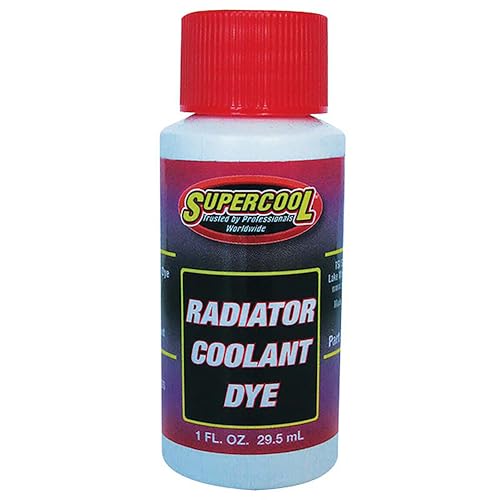
Includes Synthetic U/V Leak Detection Dye

Long lasting endurance
Symptoms to Look For
- Difficulty Shifting Gears: A sluggish response or grinding noise while shifting may signal low fluid levels.
- Strange Noises: Unusual sounds, such as whining or clunking, can indicate gear issues due to insufficient lubrication.
- Fluid Leaks: Puddles or spots under your vehicle often point to leaks that can lead to low fluid levels.
- Overheating: An overheating transfer case might suggest fluid contamination or insufficient fluid to cool the system.
- Increased Wear: Low or dirty fluid contributes to increased friction, causing rapid wear on vital components.
- Reduced Performance: Insufficient fluid affects the transfer case’s ability to distribute power effectively.
- Potential Damage: Ignoring low fluid issues can lead to costly repairs or complete transfer case failure.
- Compromised Safety: Malfunctions in the transfer case can undermine handling and driveability, creating hazardous driving conditions.
Conclusion
Keeping an eye on your transfer case fluid level is key to ensuring your vehicle runs smoothly. Regular checks can help you catch issues early and avoid costly repairs down the line. Remember to use the right fluid type and follow the steps carefully for a safe and effective maintenance routine.
By staying proactive and attentive to signs of low or contaminated fluid, you’re not just protecting your vehicle but also enhancing your overall driving experience. So gear up and make checking your transfer case fluid a part of your routine. Your ride will thank you for it!
Frequently Asked Questions
What is transfer case fluid, and why is it important?
Transfer case fluid lubricates the gears in all-wheel and four-wheel drive systems. It helps prevent wear, ensures efficient power distribution, and contributes to overall vehicle performance. Maintaining the correct fluid levels is crucial for longevity and smooth operation.
How often should I check my transfer case fluid?
You should check your transfer case fluid regularly, ideally every 30,000 to 50,000 miles, or according to your vehicle manufacturer’s recommendations. Regular checks can help detect issues early, preventing costly repairs and ensuring optimal performance.
What are the different types of transfer case fluids?
Common types of transfer case fluids include Automatic Transmission Fluid (ATF), Gear Oil, and Synthetic Fluids. Each type is designed for specific systems, so it’s important to select the appropriate fluid based on the manufacturer’s guidelines.
What tools do I need to check my transfer case fluid?
To check transfer case fluid levels, you’ll need a ratchet and socket set, a fluid pump, an oil catch pan, a torque wrench, a magnet tool, a fluid tester, rags or towels, safety glasses, and gloves. Having these tools ensures a safe and effective maintenance process.
What are the signs of low or contaminated transfer case fluid?
Signs of low or contaminated transfer case fluid include difficulty shifting gears, strange noises, fluid leaks, overheating, increased wear, and reduced performance. Recognizing these indicators promptly can help prevent damage and ensure safe driving conditions.
