

Have you ever wondered if your vehicle’s transfer case fluid needs a change? It might not be the first thing on your mind, but neglecting this important maintenance task can lead to bigger problems down the road. If you’ve noticed unusual noises or difficulty shifting gears, it’s time to pay attention.
This article will help you understand when and why you should change your transfer case fluid. You’ll learn how to spot the signs that indicate a fluid change is necessary and the benefits of keeping everything running smoothly. By the end, you’ll feel more confident in maintaining your vehicle and ensuring its longevity.
Key Takeaways
- Understanding Transfer Case Fluid: Transfer case fluid is essential for lubricating gears and bearings in 4WD and AWD systems, ensuring efficient power distribution and stability.
- Signs of Fluid Change: Watch for unusual noises, dark fluid color, or gritty texture as indicators that your transfer case fluid needs replacement.
- Maintenance Importance: Regular changes prevent damage, enhance performance, and avoid costly repairs, keeping your vehicle running smoothly.
- Change Intervals: Follow manufacturer guidelines for fluid changes, typically every 30,000 to 60,000 miles, with more frequent changes under severe driving conditions.
- DIY Fluid Change Process: Changing fluid involves gathering the right tools, safely draining the old fluid, and adding new fluid while checking for leaks.
- Seeking Professional Help: Consult a mechanic if the transfer case is hard to access, if you experience strange noises or fluid contamination, or if you’re unsure about performing fluid changes yourself.
Understanding Transfer Case Fluid
Transfer case fluid plays a vital role in the functioning of your vehicle’s drivetrain. This fluid helps ensure that power is distributed to all wheels effectively, maintaining performance and stability.
What Is Transfer Case Fluid?
Transfer case fluid is a specialized lubricant used in vehicles equipped with four-wheel drive (4WD) or all-wheel drive (AWD) systems. This fluid circulates within the transfer case, a component that splits engine power between the front and rear axles. The fluid lubricates gears and bearings, preventing wear and tear while allowing smooth operation when shifting between drive modes.
Importance of Transfer Case Fluid
Proper maintenance of transfer case fluid ensures the longevity and performance of your vehicle. Here are some key points to consider:
- Prevention of Damage: Old or contaminated fluid can lead to increased friction, resulting in overheating and possible damage to the transfer case. This damage can be costly to repair.
- Optimal Performance: Fresh fluid maintains proper gear engagement and power distribution, enhancing overall vehicle performance, especially in challenging driving conditions.
- Avoiding Delays: Timely fluid changes can prevent unexpected breakdowns or emergency repairs, allowing you to avoid being stranded.
Regularly checking and changing your transfer case fluid cultivates a smooth driving experience and prolongs the life of your vehicle’s drivetrain.
Signs That You Need to Change Your Transfer Case Fluid
Your transfer case fluid requires regular attention to ensure your vehicle operates smoothly. Here are the primary signs indicating it’s time for a change.
Recommended Products

【Multiple Applications】This transmission fluid pump fits standard quart bottles come with 28mm bottle cap,with an 8cc per pump stroke capacity,Suitable for dozens of uses including oil changes,siphoning gasoline,and transferring a wide range of fluids such as engine oil, biodiesel, kerosene, or shampoo,detergent.

Efficient Pumping: This fluid transfer pump comes with two different height suction tubes for quart bottles of different heights, making it easy to reach the bottom of the bottle. Easily control the amount of fluid pumped out without worrying about overfilling, making oil change operations easier on boats and vehicles.
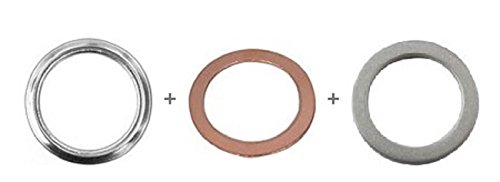
GENUINE TOYOTA GASKET KIT
Unusual Noises
You might hear grinding, clunking, or whining sounds when shifting gears. These noises often suggest inadequate lubrication within the transfer case. If you notice any of these sounds, consider checking the fluid level and condition immediately.
Fluid Color and Consistency
You can assess the condition of your transfer case fluid by observing its color and texture. Healthy fluid appears clear or light brown. If it looks dark, muddy, or has a burnt odor, it’s a clear indicator that you need to change it. Additionally, if the fluid feels gritty or thick, that signifies contamination and requires prompt action.
Recommended Change Intervals
Regularly changing your transfer case fluid enhances vehicle performance and longevity. Understanding optimal change intervals keeps your vehicle running smoothly.
Recommended Products

Specifically approved for use in GM automatic four-wheel drive vehicles with transfer cases

REACH HARD-TO-ACCESS SERVICE POINTS: Some maintenance jobs are difficult because fill ports are hidden or located in tight spaces. FOUR UNCLES Fluid Transfer Syringe with flexible hose helps you reach challenging areas while making fluid extraction and refilling easier and cleaner.

Manufacturer Guidelines
Consult your vehicle’s owner manual for specific recommendations on transfer case fluid change intervals. Many manufacturers suggest changing the fluid every 30,000 to 60,000 miles, while some newer models may extend that interval to 100,000 miles. Following these guidelines ensures adherence to manufacturer specifications, promoting optimal transfer case function.
Driving Conditions Impact
Driving conditions significantly affect transfer case fluid longevity. Frequent off-roading, towing, or driving in mountainous terrain increases strain on the transfer case, necessitating more frequent fluid changes. In these conditions, consider checking the fluid every 15,000 to 30,000 miles. Regular assessments help maintain fluid quality and protect your transfer case from damage.
How to Change Transfer Case Fluid
Changing transfer case fluid requires a few tools and some basic steps to keep your vehicle running smoothly. Follow these guidelines for an effective fluid change.
Recommended Products

🚀 500CC HIGH-CAPACITY FLUID EXTRACTOR PUMP Upgrade your maintenance toolkit with the Tuewuqo 500cc oil extractor pump. Designed for maximum efficiency, this large black manual syringe allows you to extract or dispense more liquid per stroke, significantly reducing the time spent on fluid changes compared to standard 200cc models.

WIDE COMPATIBILITY – Precision-engineered pump upgrade kit designed for GM transfer case models 136, 146, 246, 261, 261HD, 263HD, 263XHD, and 261XHD (1998–2007). Verify your transfer case model before ordering to ensure proper fit.

Patent No.: USD1063994S-The AIGMISON team has meticulously crafted the 3L oil pump. With its unique design, every unit undergoes rigorous testing to ensure quality and provide superior service
DIY Process
- Gather Tools and Supplies: You’ll need a socket wrench, fluid pump, drain pan, and the appropriate transfer case fluid. Check your owner’s manual for specifics.
- Prepare Your Vehicle: Park your vehicle on a level surface and engage the parking brake. Raise the vehicle with jack stands for better access if needed.
- Drain Old Fluid: Locate the drain plug on the transfer case. Remove the plug and allow the old fluid to completely drain into a pan. Dispose of the used fluid properly at a recycling center.
- Replace the Drain Plug: After the fluid has drained, clean the drain plug, then reinsert and tighten it securely.
- Add New Fluid: Find the fill plug on the transfer case. Use a fluid pump to add new transfer case fluid until it reaches the correct level, often until it spills slightly from the fill hole.
- Check for Leaks: Start your vehicle and let it run for a few minutes. Check under the vehicle for any leaks around the drain and fill plugs.
When to Seek Professional Help
Certain circumstances warrant professional help for changing transfer case fluid. If you experience any of the following, consider consulting a mechanic:
- Inaccessibility: If the transfer case is difficult to reach or the vehicle requires specialized tools for access.
- Unusual Noises: If you notice strange sounds or vibrations, it may indicate deeper issues with your transfer case that need expert evaluation.
- Fluid Contamination: If the fluid appears excessively dark, gritty, or has a burnt smell, a professional assessment ensures identifying the underlying cause of contamination.
- Lack of Experience: If you’re uncomfortable with fluid changes or DIY maintenance, visiting a professional mechanic can prevent potential mistakes.
Maintaining your transfer case fluid consistently safeguards your vehicle’s performance and longevity.
Conclusion
Taking care of your transfer case fluid is essential for keeping your vehicle running smoothly. By staying alert to signs of wear and tear you can prevent bigger problems down the road. Regular checks and changes will not only enhance performance but also extend the life of your vehicle.
If you’re ever in doubt about the condition of your fluid or how to change it don’t hesitate to reach out for professional help. It’s better to be safe than sorry when it comes to your vehicle’s health. Keeping your transfer case fluid fresh is a simple step that pays off in the long run.
Frequently Asked Questions
Why is it important to change transfer case fluid?
Changing transfer case fluid is vital for optimal vehicle performance. Fresh fluid lubricates the gears, preventing wear and overheating. Regular changes help avoid potential damage and costly repairs.
What are the signs that indicate a transfer case fluid change is needed?
Signs include unusual noises during gear shifts, dark or muddy fluid, and a burnt odor. Gritty texture also indicates contamination, signaling an urgent need for fluid change.
How often should I change my transfer case fluid?
Change intervals depend on driving conditions. Generally, it’s recommended to check the fluid every 30,000 to 60,000 miles or as indicated in your vehicle’s owner manual.
Can I change the transfer case fluid myself?
Yes, changing transfer case fluid can be done at home with the right tools. However, if you face challenges or uncertainty, consider seeking professional help.
What tools do I need to change transfer case fluid?
You’ll need a wrench, a drain pan, a funnel, and the recommended transfer case fluid for your vehicle. Make sure to have them ready before starting the process.
What should I do if I notice fluid contamination?
If you notice dark, muddy fluid or any unusual texture, it’s crucial to change the fluid immediately to prevent further damage to the transfer case. If unsure, consult a professional.
Will changing transfer case fluid improve my vehicle’s performance?
Yes, changing the fluid enhances lubrication, reduces wear, and helps the transfer case operate smoothly. Regular maintenance ensures longevity and better performance of your vehicle.
