

Have you ever wondered how much fluid your transfer case really needs? If you’re maintaining a four-wheel-drive vehicle, you know that the transfer case plays a key role in delivering power to the wheels. But getting the fluid level just right can be tricky, and too little or too much can lead to problems down the line.
Key Takeaways
- Understanding Transfer Cases: Transfer cases are essential for distributing power in four-wheel-drive vehicles, affecting traction and control.
- Fluid Capacity: Fluid capacity varies by vehicle model, typically ranging from 1 to 3 quarts. Always refer to the manufacturer’s specifications in your owner’s manual for accurate information.
- Fluid Types: Using the correct type of fluid, such as Automatic Transmission Fluid (ATF) or specialized transfer case fluid, is crucial for maintaining performance and preventing damage.
- Signs of Low Fluid Levels: Monitor for signs like strange noises, difficulty shifting, overheating, fluid leaks, and warning lights to prevent significant damage to your transfer case.
- Regular Maintenance: Change transfer case fluid every 30,000 to 60,000 miles as part of regular maintenance to ensure optimal function and longevity.
- Check Fluid Levels: Regularly inspect fluid levels by locating the fill plug and using a dipstick or tube to ensure they remain within the recommended range.
Understanding Transfer Cases
Transfer cases are crucial components in four-wheel-drive vehicles. They distribute power from the transmission to the front and rear axles, allowing for better traction and control on various terrains. Understanding how transfer cases work helps you appreciate their importance in vehicle performance.
Types of Transfer Cases
- Part-Time Transfer Cases
Part-time transfer cases allow you to switch between two-wheel drive and four-wheel drive. You engage four-wheel drive only when needed, improving fuel efficiency. - Full-Time Transfer Cases
Full-time transfer cases provide power to all four wheels at all times. They may include a center differential, allowing for speed differentiation between the front and rear wheels on paved roads. - Selectable Transfer Cases
Selectable transfer cases offer options to drivers. You can choose between two-wheel drive and all-wheel drive modes according to driving conditions.
Common Challenges
Transfer cases may experience various issues if fluid levels are incorrect. Low fluid levels can lead to overheating and increased wear. High fluid levels may cause foaming, which reduces lubrication and can damage internal components. Regular maintenance helps prevent these issues and extends the lifespan of your transfer case.
Recommended Fluid Types
Using the correct fluid type is essential for optimal performance. Consult your owner’s manual for the recommended fluid specifications. Many transfer cases use automatic transmission fluid (ATF) or specialized transfer case fluid. Using the wrong fluid can lead to reduced performance and potential damage.
Fluid Change Frequency
Change the transfer case fluid as part of your regular vehicle maintenance. Depending on your vehicle’s make and model, a fluid change every 30,000 to 60,000 miles is typical. Check your owner’s manual for specific recommendations, and don’t forget to inspect the fluid level regularly.
- Locate the Fill Plug
Find the fill plug on the transfer case. It’s usually near the top of the case. - Use a Dipstick or Tube
Insert a dipstick or tube into the fill hole to check the fluid level. The fluid should be within the recommended range. - Add Fluid if Necessary
If the fluid is low, add the appropriate type until it reaches the correct level.
Keeping these guidelines in mind ensures that your transfer case functions efficiently and reliably. Regular checks and maintenance will protect your vehicle from potential issues related to improper fluid levels.
Importance of Fluid in Transfer Cases
Fluid plays a critical role in the efficient operation of your vehicle’s transfer case. Maintaining the right fluid level ensures smooth power distribution and optimal performance.
Recommended Products

Exceeds demands of automatic transmissions of most Chrysler, Dodge, Ram & other Stellantis vehicles

【Multiple Applications】This transmission fluid pump fits standard quart bottles come with 28mm bottle cap,with an 8cc per pump stroke capacity,Suitable for dozens of uses including oil changes,siphoning gasoline,and transferring a wide range of fluids such as engine oil, biodiesel, kerosene, or shampoo,detergent.

For use in 95% of vehicles including most CVTs in operation with US registered light duty applications
Role of Fluid
Fluid lubricates the moving parts within the transfer case. It reduces friction and wear, which can prolong the life of the transfer case components. Proper lubrication prevents overheating, ensures seamless engagement of gears, and helps in efficient operation during both low and high-speed conditions. Regular checks and maintenance of fluid levels protect against potential failures that could arise from neglect.
Types of Fluids Used
Typically, transfer cases use specific types of fluids based on manufacturer recommendations. The common types include:
- Automatic Transmission Fluid (ATF): Often used in many transfer cases, providing excellent lubrication and heat resistance.
- Transfer Case Fluid: Some transfer cases require specialized fluids formulated for the unique demands of power distribution.
- Gear Oil: Used in heavy-duty applications, gear oil is thicker and provides additional protection against wear.
Always consult your vehicle’s manual to identify the correct type of fluid needed for your transfer case.
How Much Fluid Goes in a Transfer Case
The fluid capacity in a transfer case varies based on the vehicle model and type of transfer case used. Understanding these specifications ensures your vehicle runs smoothly.
Recommended Products

Specifically approved for use in GM automatic four-wheel drive vehicles with transfer cases

Meets the challenging demands of different all-wheel and four-wheel drive vehicles with multi-powered axles

Long lasting endurance
Manufacturer Specifications
Manufacturer specifications provide the most accurate fluid capacity information for your transfer case. Typical capacities can range from 1 to 3 quarts. Always check your vehicle’s owner manual or service guide for the exact amount. Following these guidelines prevents overfilling or underfilling, both of which can lead to severe performance issues.
Factors Influencing Fluid Capacity
Several factors influence the fluid capacity in a transfer case:
- Type of Vehicle: Different vehicles, such as SUVs and trucks, may have larger transfer cases that require more fluid.
- Transfer Case Design: Chain-driven and gear-driven transfer cases often differ in fluid requirements. For example, gear-driven transfer cases usually hold more fluid.
- Usage: Off-road and heavy-towing conditions can increase wear on fluid, prompting the need for larger amounts during maintenance.
- Fluid Type: Different fluid types, like Automatic Transmission Fluid (ATF) or Gear Oil, may have different filling capacities due to their unique properties.
Always consult your service manual to align with these factors accurately, ensuring efficient performance and longevity of your transfer case components.
Signs of Low Fluid Levels
Monitoring fluid levels in your transfer case is vital for vehicle performance. Recognizing the signs of low fluid levels can prevent significant damage and costly repairs.
- Strange Noises: Listen for unusual sounds like grinding or clunking while shifting gears. These noises indicate insufficient lubrication and increased friction.
- Difficulty Shifting: Notice if you face challenges engaging or disengaging from four-wheel drive. Low fluid levels can affect smooth transitions between modes.
- Overheating: Be aware of overheating components, which may arise from inadequate fluid. Check your vehicle’s temperature gauge for any unusual spikes.
- Fluid Leaks: Look underneath your vehicle for any fluid leaks. Puddles or spots of fluid near the transfer case are clear indicators of issues.
- Warning Lights: Keep an eye on your dashboard warning lights. An illuminated check engine light may signal fluid level concerns.
Addressing these signs promptly helps maintain your transfer case’s efficiency and prevents further damage. Regular checks and ensuring your transfer case contains the proper fluid level enhance vehicle longevity.
Recommended Products
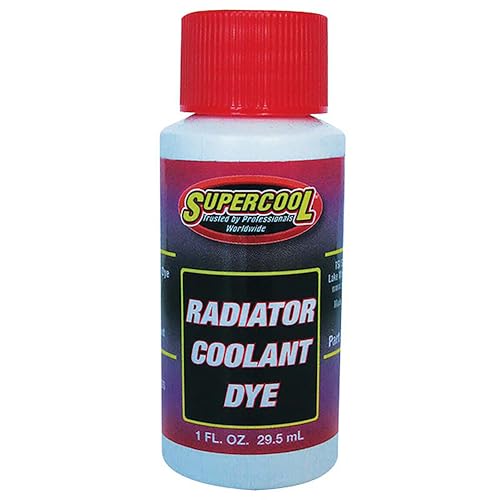
Includes Synthetic U/V Leak Detection Dye

Some ACDelco GM Original Equipment parts may have formerly appeared as GM Genuine Parts (OE) or ACDelco Professional

Multi-purpose dye can be used with gasoline and diesel engine oil, power steering fluid, and automatic transmission fluid
Conclusion
Keeping an eye on your transfer case fluid is key to your vehicle’s performance. By using the right type and maintaining the correct level you can avoid costly repairs down the road. Regular checks will help you catch any issues early on and ensure everything runs smoothly. Remember to follow your manufacturer’s guidelines for fluid capacity and type to keep your ride in top shape. Your vehicle deserves the best care so give it the attention it needs for a long and reliable life.
Frequently Asked Questions
What is the importance of maintaining fluid levels in a transfer case?
Maintaining the correct fluid level in a transfer case is vital for efficient power distribution and to prevent damage. Low fluid levels can lead to overheating, unusual noises, and difficulty in shifting, which can ultimately affect the vehicle’s performance and longevity.
What types of fluid are recommended for a transfer case?
The type of fluid required for a transfer case varies by vehicle make and model. It’s essential to refer to the manufacturer’s specifications to choose the right fluid type, ensuring optimal performance and protection for your vehicle’s transfer case components.
How do I know if my transfer case fluid is low?
Signs of low transfer case fluid include strange noises, difficulty shifting gears, overheating, visible fluid leaks, and warning lights on the dashboard. If you notice any of these symptoms, it’s crucial to check the fluid level and address any issues promptly.
What factors influence the fluid capacity of a transfer case?
Fluid capacity in a transfer case is influenced by several factors, including the specific vehicle model, its intended use (e.g., off-road conditions vs. city driving), and variations in design features. Always consult your owner’s manual for precise fluid capacity.
How often should I check my transfer case fluid levels?
It’s recommended to check your transfer case fluid levels regularly, ideally during routine maintenance checks or every few months. Regular inspections help catch potential issues early and ensure that your transfer case operates efficiently for the longevity of the vehicle.
