

Are you wondering what fluid goes in your GMC transfer case? You’re not alone. Many drivers face confusion when it comes to the right fluids for their vehicles, especially when it comes to crucial components like the transfer case. Using the wrong fluid can lead to costly repairs and headaches down the road.
In this article, you’ll learn exactly what fluid your GMC transfer case needs and why it matters. We’ll break down the different types of fluids available and help you make informed choices for your vehicle. By the end, you’ll feel confident about keeping your transfer case in top shape and ensuring your GMC performs at its best.
Key Takeaways
- Fluid Types: GMC transfer cases typically require GM AutoTrac II Fluid or Dexron III Automatic Transmission Fluid, depending on the model and year. Always consult your owner’s manual for specific recommendations.
- Regular Maintenance: Change your transfer case fluid every 30,000 to 50,000 miles to ensure optimal performance and prevent mechanical issues.
- Fluid Inspection: Regularly check fluid levels and conditions. Healthy fluid should be clear or slightly pink, and any discoloration or burnt smell indicates it needs changing.
- Correct Fluid Usage: Using the wrong fluid can lead to increased wear and potential failure of the transfer case. Stick to the manufacturer’s specifications for compatibility.
- Common Issues: Be aware of signs like fluid leaks, strange noises, and difficulty shifting gears as indicators of transfer case problems that require immediate attention.
- DIY Checks: Learn how to locate the fill plug and properly check and change the fluid in your transfer case to maintain your GMC vehicle’s health.
Understanding GMC Transfer Cases
GMC transfer cases manage the distribution of power between the front and rear axles in four-wheel drive (4WD) or all-wheel drive (AWD) systems. Understanding how they function helps you maintain optimal performance.
Types of GMC Transfer Cases
GMC vehicles typically use two types of transfer cases:
- Gear-Driven Transfer Cases: These cases provide direct power transfer and better durability. They’re suited for heavy-duty applications, offering efficiency and reliability.
- Chain-Driven Transfer Cases: These cases offer smoother operation and flexibility. They’re common in lighter models, enhancing fuel efficiency while providing secure power management.
Recommended Fluids for GMC Transfer Cases
Different models and years of GMC vehicles require specific fluids for their transfer cases. The right fluid ensures proper lubrication and optimal operation. Common options include:
- GM AutoTrac II Fluid: Specifically designed for use in many GMC transfer cases, this fluid enhances performance and longevity.
- Dexron III Automatic Transmission Fluid: This is another option, suitable for older models. It’s essential to check your owner’s manual to confirm compatibility.
Fluid Change Interval
Regular fluid changes are crucial for maintaining your transfer case. Many experts suggest changing the fluid every 30,000 to 50,000 miles, though your specific vehicle may have different recommendations. Frequent checks can prevent potential issues.
How to Inspect Your GMC Transfer Case Fluid
- Locate the Fill Plug: Find the fill plug on your transfer case, usually found on the side.
- Check Fluid Level: Remove the plug and check if fluid spills out. If it doesn’t, you need to add fluid.
- Inspect Fluid Condition: Look for discoloration or a burnt smell, indicating it’s time for a change.
What Happens If You Use the Wrong Fluid
Using improper fluid can lead to increased wear, overheating, and potential mechanical failure. It’s advisable to stick with the manufacturer’s recommendations to avoid costly repairs.
Conclusion
Understanding your GMC transfer case and the correct fluid types can greatly enhance vehicle performance and lifespan. Regular maintenance ensures reliable operation in various driving conditions.
Types of Fluids for GMC Transfer Cases
Understanding the types of fluids for GMC transfer cases ensures optimal performance. Knowing which fluid to use avoids mechanical issues and promotes vehicle longevity.
Recommended Products
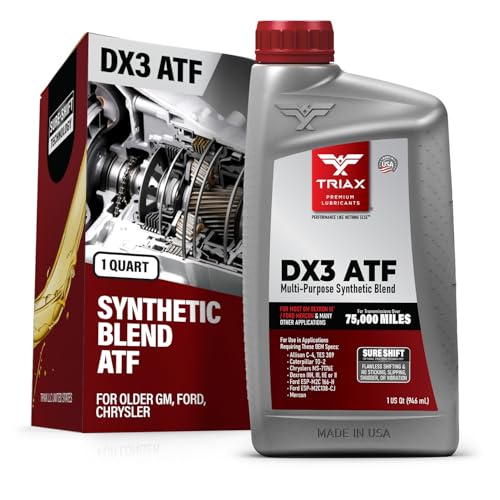
WIDE SPEC COMPATIBILITY: Compatible with Dexron IIIH, III, IIE, and II, Chrysler MS-7176E, Allison TES 389, Allison C-4, ZF TE-ML 14A, 04D, 17C, and 03D, Ford ESP-M2C 166H, Ford ESP-M2C138CJ, Ford Mercon, and Caterpillar TO-2
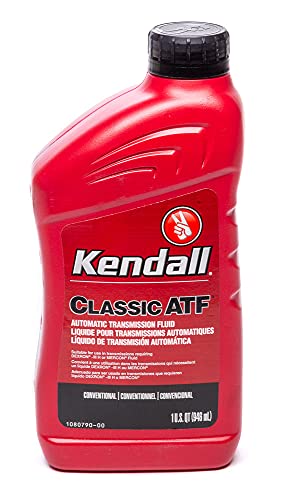
Proper frictional properties for smooth shifting and excellent anti-shudder performance
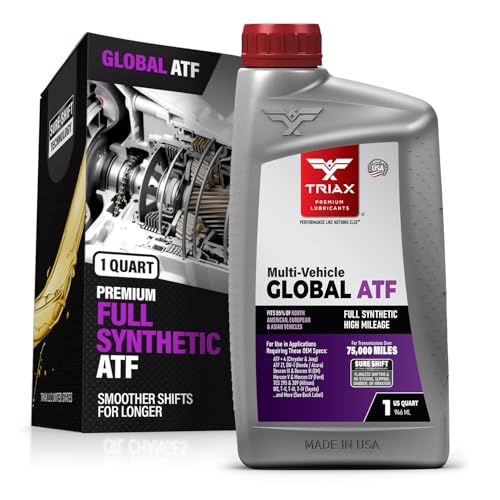
Outperforms OEM Fluids: Up to 50% smoother shifting and better long-term frictional stability; Compatible with Ford XL-12, BMW LT 71141, Allison TES 295/389, Mercon V, Dexron VI, Chrysler/Jeep ATF 3/4, Honda DW1, KIA SP-III/IV, Mazda MIII/MV, Nissan Matic D/J/K/S/W & more
Automatic Transmission Fluid (ATF)
Automatic Transmission Fluid (ATF) is commonly used in many GMC transfer cases. It lubricates and protects internal components while providing the necessary hydraulic pressure for smooth operation. GM recommends using Dexron III ATF for specific models, which meets stringent performance requirements.
Check your owner’s manual for fluid specifications. If recommended, always use a high-quality ATF to maintain shifting efficiency. Regular fluid changes every 30,000 to 50,000 miles keep the transfer case functioning effectively.
Gear Oil
Gear oil serves as another option for GMC transfer cases, particularly in models equipped with gear-driven systems. Gear oil offers superior protection against wear due to its higher viscosity and additional additives.
Look for gear oil labeled for automotive use, with specifications like SAE 75W-90 or GM-approved fluid. Always verify compatibility with your model to prevent issues. Inspect the fluid regularly for contamination or darkening, and replace it as needed to ensure smooth operation.
Recommended Fluid Specifications
Choosing the right fluid for your GMC transfer case ensures optimal performance. Use the manufacturer’s specifications to prevent damage and extend the life of your vehicle.
Recommended Products

Specifically approved for use in GM automatic four-wheel drive vehicles with transfer cases

2-PACK – 2 LITERS TOTAL Includes two 1-liter bottles of GM Transfer Case Auto Fluid, Part Number 19540587, providing 2 liters of fluid total.

Exact OEM Replacement – GM Part No. 19540587, replaces 10-4017, 88900402, 12378396, 12378508
Manufacturer Recommendations
Most GMC transfer cases recommend GM AutoTrac II Fluid. This specific fluid caters to the needs of various models. For older models, Dexron III ATF is often suitable. Always check your owner’s manual for specifics on fluid compatibility. Using the recommended fluid prevents potential issues and maintains warranty coverage.
Fluid Viscosity
Select fluids with the correct viscosity for your transfer case. Typically, a viscosity rating of 75W-90 gear oil works best for gear-driven transfer cases. For chain-driven transfer cases, Automatic Transmission Fluid (ATF) with a viscosity rating of 5W-30 is commonly recommended. Confirm the viscosity requirements in your owner’s manual to ensure effective lubrication and protection against wear.
How to Properly Check and Change Fluid
Checking and changing the transfer case fluid is essential for optimal performance in your GMC vehicle. Follow these steps to ensure that you’re maintaining the correct fluid levels and using the right fluid types.
Recommended Products

Meets the challenging demands of different all-wheel and four-wheel drive vehicles with multi-powered axles


COMPATIBILITY – Fits 2003-2006 Cadillac Escalade ESV; 2007-2014 Cadillac Escalade ESV; 2007-2007 Cadillac Escalade ESV; 2008-2014 Cadillac Escalade ESV; 2010-2014 Cadillac Escalade ESV; 2002-2002 Cadillac Escalade EXT; 2003-2006 Cadillac Escalade EXT; 200
Fluid Level Check
- Locate the Fill Plug: Start by parking your vehicle on a level surface. Find the transfer case fill plug. This plug is typically on the side of the transfer case.
- Remove the Plug: Use a socket wrench to carefully remove the fill plug. Be mindful of any fluid that may spill out during this process.
- Check Fluid Level: Stick your finger into the fill hole. The fluid should be just below the edge of the hole. If you can touch the fluid with your finger, the level is adequate. If it’s low, you’ll need to add more fluid.
- Inspect Fluid Condition: While checking the fluid level, also look at its color and consistency. Healthy fluid should be clear or slightly pink. If it appears dark or murky, consider changing it.
- Gather Your Tools: You’ll need a socket wrench, a fluid pump, the correct transfer case fluid (like GM AutoTrac II or Dexron III), and a drain pan.
- Drain Old Fluid: Place the drain pan underneath the transfer case and remove the drain plug. Allow the fluid to completely drain out.
- Replace the Drain Plug: Once drained, securely replace the drain plug to avoid leaks.
- Add New Fluid: Use the fluid pump to add new transfer case fluid through the fill hole. Fill until the fluid starts to seep from the fill hole.
- Replace the Fill Plug: With the desired amount added, replace the fill plug and tighten it securely.
- Check for Leaks: After changing the fluid, run your vehicle for a few minutes. Then inspect under the vehicle for any leaks around the drain and fill plugs.
By following these steps, you ensure that your GMC transfer case functions smoothly and avoids potential mechanical issues. Regular checks and fluid changes contribute significantly to the longevity of your vehicle.
Common Issues and Maintenance Tips
GMC transfer cases can face several issues, but regular maintenance helps prevent these problems. Recognizing symptoms early saves you time and money.
Common Issues
- Fluid Leaks
Inspect under your vehicle for any signs of fluid leaks. Leaks can lead to low fluid levels, causing damage. - Strange Noises
Listen for grinding or rumbling sounds when shifting. These sounds often indicate internal wear or damage. - Difficulty Shifting Gears
If you struggle to change gears, it might signal low fluid or other internal problems. - Overheating
Monitor the temperature gauge. Excess heat can damage the transfer case.
- Change Fluid Regularly
Change the fluid every 30,000 to 50,000 miles. Regular changes keep the transfer case lubricated. - Use the Right Fluid
Always use GM AutoTrac II or Dexron III fluid. Selecting fluids based on the viscosity specifications ensures proper function. - Check Fluid Levels
Regularly check fluid levels using the dipstick. Top off if levels are low to prevent damage. - Inspect Seals and Gaskets
Look for wear on seals and gaskets. Replace any damaged parts to prevent leaks. - Listen and Feel
Pay attention to any unusual noises or sensations while driving. Address issues immediately to avoid costly repairs.
By following these tips, you can maintain the health of your GMC transfer case and avoid unnecessary breakdowns.
Conclusion
Taking care of your GMC transfer case is essential for keeping your vehicle running smoothly. By using the right fluid and sticking to a regular maintenance schedule you can avoid many common issues that lead to costly repairs.
Pay attention to any signs of trouble and don’t hesitate to check your fluid levels or consult a professional if something feels off. Your GMC deserves the best care possible so keep it happy and it’ll reward you with reliable performance on the road.
Frequently Asked Questions
What fluid should I use for my GMC transfer case?
To maintain optimal performance, use GM AutoTrac II Fluid or Dexron III, ensuring you meet the specific viscosity requirements for your transfer case type.
How often should I change the transfer case fluid?
It’s recommended to change the transfer case fluid every 30,000 to 50,000 miles to prevent issues and ensure smooth operation.
What are the common signs of transfer case problems?
Look out for fluid leaks, strange noises, difficulty shifting gears, and overheating. These signs indicate the need for immediate maintenance.
How can I maintain my GMC transfer case?
Regular maintenance includes changing the fluid, using the correct type, checking fluid levels, inspecting seals and gaskets, and monitoring for unusual noises while driving.
Why is proper fluid selection important for my transfer case?
Proper fluid selection is crucial for effective lubrication, protection against wear, and promoting longevity, ultimately preventing costly repairs down the line.
