

Have you ever wondered what keeps your vehicle’s transfer case running smoothly? If you’ve noticed unusual noises or shifting issues, it might be time to check the fluid. Understanding what fluid your transfer case needs can save you from costly repairs down the road.
Key Takeaways
- Understanding Transfer Cases: Transfer cases are vital components in four-wheel and all-wheel drive systems, distributing power to enhance traction and stability on various terrains.
- Types of Transfer Cases: There are two main types—part-time and full-time transfer cases—each suited for different driving conditions, impacting fluid selection.
- Common Transfer Case Fluids: Transfer case fluid, Automatic Transmission Fluid (ATF), and gear oil are commonly used, with specific recommendations varying by vehicle manufacturer.
- Manufacturer Recommendations: Adhering to manufacturer specifications for fluid type is crucial to avoid overheating and wear, ensuring longevity and optimal performance.
- Driving Conditions Impact: Your driving habits and conditions, such as off-roading or towing, influence the choice of fluid, stressing the importance of high-performance options in harsh environments.
- Signs of Fluid Issues: Be vigilant for fluid leaks or overheating transfer cases, as these issues indicate potential damage and the need for immediate fluid checks or replacements.
Understanding Transfer Cases
Transfer cases play a crucial role in vehicles equipped with four-wheel or all-wheel drive systems. These components manage the distribution of power to the front and rear axles, helping your vehicle navigate various terrains effectively.
Definition and Function
A transfer case is a part of a vehicle’s drivetrain. It transfers engine power to the wheels, allowing for all-wheel or four-wheel drive. This device can provide different gear ratios for better traction, essential for driving on slippery, off-road, or uneven surfaces. When you shift into four-wheel drive, the transfer case engages, distributing power appropriately for improved stability and handling.
Types of Transfer Cases
Transfer cases come in two main types:
- Part-Time Transfer Cases
Part-time transfer cases allow the driver to switch between two-wheel and four-wheel drive. Use this option for everyday driving to save fuel, then engage four-wheel drive as needed for tougher conditions. - Full-Time Transfer Cases
Full-time transfer cases send power to all wheels continuously. These are great for maintaining traction on wet or icy roads. Many modern SUVs and trucks utilize this type for enhanced stability.
Understanding these types helps you choose the right transfer case fluid, essential for maintaining your vehicle’s performance and longevity.
Common Fluids Used in Transfer Cases
Transfer cases typically require specific fluids that help ensure optimal performance. Choosing the right fluid prevents damage and extends the lifespan of your vehicle’s drivetrain.
Recommended Products

Manufactured with high-viscosity index, premium-quality, hydroprocessed base oils and specially designed performance additives

Formulated with full-synthetic base stocks and advanced additive technology to meet the challenging demands of automatic transmissions

Formulated with premium base stocks and advanced additive technology to meet the challenging demands of automatic transmissions
Transfer Case Fluid
Transfer case fluid serves as a lubricant for the internal components of the transfer case. It reduces friction, dissipates heat, and protects from wear. You may find manufacturer recommendations for specific fluids in your owner’s manual. Regularly check the fluid level and condition; replace it if it appears dark, dirty, or has a burnt smell.
Automatic Transmission Fluid (ATF)
Automatic transmission fluid, commonly known as ATF, often works well in many transfer cases. It’s designed to function in both automatic transmissions and transfer cases with similar lubrication requirements. When using ATF, ensure it’s compatible with your vehicle’s specific system. Look for fluids marked as “Dexron,” “Mercon,” or other specified formulations.
Gear Oil
Gear oil is another option for transfer cases, particularly in those requiring a heavier, more viscous fluid. It’s formulated to withstand high pressures and enhance protection under extreme conditions. When selecting gear oil, check viscosity ratings, such as 75W-90 or 80W-140, to match your vehicle’s needs. Always confirm compatibility with your transfer case as specified in the owner’s manual.
Factors Influencing Fluid Selection
Fluid selection for your transfer case hinges on several key factors. Understanding these can optimize performance and extend the lifespan of your vehicle.
Recommended Products

Specifically approved for use in GM automatic four-wheel drive vehicles with transfer cases

2-PACK – 2 LITERS TOTAL Includes two 1-liter bottles of GM Transfer Case Auto Fluid, Part Number 19540587, providing 2 liters of fluid total.

Meets the challenging demands of different all-wheel and four-wheel drive vehicles with multi-powered axles
Manufacturer Recommendations
Manufacturer recommendations play a crucial role in fluid selection. Each vehicle has specific fluid requirements based on its design and intended use. Always check your owner’s manual for the recommended fluid type. Using the wrong fluid can lead to issues like overheating, wear, and potential failure of the transfer case. Some manufacturers specify a particular brand or specification, making it essential to follow those guidelines for best results.
Driving Conditions
Driving conditions significantly impact fluid choice and performance. If you frequently drive in harsh conditions—such as off-roading, towing heavy loads, or enduring extreme temperatures—selecting a fluid designed for those challenges becomes vital. High-performance fluids often offer better protection, resist breakdown, and maintain viscosity under stress. In contrast, standard fluids may suffice for regular, moderate driving. Always consider how you use your vehicle to make the best fluid choice.
Signs of Fluid Issues
Recognizing signs of fluid issues in your transfer case is essential for maintaining your vehicle’s performance and longevity. Pay attention to the following indicators.
Recommended Products
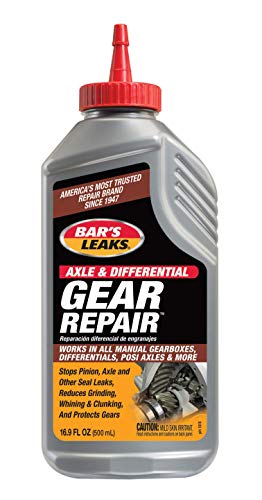
STOPS PINION, AXLE, OUTPUT SHAFT AND OTHER SEAL LEAKS: This is a treatment additive for use with automotive, heavy duty, agricultural, marine and industrial gear oils.

WORKS WITH ALL ENGINE OIL, TRANSMISSION FLUID AND POWER STEERING FLUIDS: Bar's Leaks One Seal multipurpose stop leak effectively seals all minor engine oil, transmission and power steering system leaks.
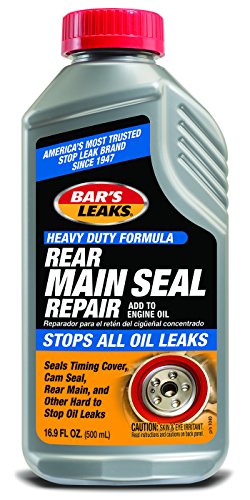
Seals timing cover, cam seal, rear main and other hard to stop oil leaks
Fluid Leaks
Fluid leaks often signal a problem in your transfer case. Check the ground beneath your vehicle for fluid puddles. If you see oily spots, inspect the transfer case for cracks or loose seals. Regular inspections help catch leaks early. Use a clean cloth to check the fluid color; transfer case fluid is generally clear to amber. Dark or gritty fluid indicates contamination, which may require immediate replacement.
Overheating Transfer Case
An overheating transfer case can lead to severe damage. You might notice unusual smells or hear grinding noises if the fluid level is low or the fluid is old. Keep an eye on the temperature gauge while driving. If it rises above normal while towing or driving off-road, stop and check the transfer case fluid. An overheating symptom may also include a sluggish response during gear changes. Always ensure your fluid levels are adequate, particularly under strenuous driving conditions.
Conclusion
Keeping your transfer case fluid in check is essential for a smooth ride. By choosing the right fluid and sticking to your manufacturer’s recommendations, you’ll help ensure your vehicle performs at its best. Regular maintenance and being alert to any signs of trouble can save you from costly repairs down the road.
So take a moment to check those fluid levels and keep an eye out for any leaks or unusual sounds. Your transfer case will thank you, and you’ll enjoy a more reliable driving experience.
Frequently Asked Questions
What is a transfer case and why is it important?
A transfer case is a crucial component in four-wheel and all-wheel drive vehicles. It distributes power from the engine to the front and rear axles, allowing for better traction and control in various driving conditions. Maintaining the transfer case is essential for optimal performance and vehicle safety.
What types of transfer cases are there?
There are two primary types of transfer cases: part-time and full-time. Part-time transfer cases allow drivers to switch between two-wheel and four-wheel drive, while full-time transfer cases provide continuous four-wheel drive without any driver input. Each type serves different driving needs and conditions.
What fluids are used in a transfer case?
Transfer case fluid is specifically designed for lubrication and efficient operation. Some vehicles may use automatic transmission fluid (ATF) or gear oil instead. Always refer to the owner’s manual for the recommended fluid type for your vehicle’s transfer case to ensure optimal performance.
How do I check the fluid levels in my transfer case?
To check fluid levels, locate the fill plug on the transfer case. Remove the plug and check if fluid reaches the bottom of the hole. If it doesn’t, add the appropriate fluid until it begins to spill out. Always follow manufacturer guidelines for fluid specifications.
What are the signs of transfer case fluid issues?
Common signs of transfer case fluid issues include leaks under the vehicle, unusual smells, or erratic shifting between drive modes. Additionally, grinding noises or overheating can indicate problems. If you notice any of these symptoms, it’s essential to have the vehicle checked promptly.
How often should I check or change my transfer case fluid?
It’s advisable to check your transfer case fluid level at least once a year or according to the vehicle’s maintenance schedule. Fluid changes are typically recommended every 30,000 to 50,000 miles, but refer to your owner’s manual for specific recommendations based on your driving conditions.
Why is it important to follow manufacturer recommendations for transfer case fluid?
Manufacturer recommendations for transfer case fluid are based on extensive testing to ensure optimal performance, cooling, and protection of drivetrain components. Using the wrong fluid can lead to poor lubrication, increased wear, and eventual failure of the transfer case. Always adhere to these guidelines to maintain vehicle health.
Can I use automatic transmission fluid (ATF) in my transfer case?
Yes, some transfer cases are designed to use automatic transmission fluid (ATF). However, it’s crucial to confirm this by checking your owner’s manual or consulting a professional. Using the wrong fluid can adversely affect performance and durability.
What factors influence the choice of transfer case fluid?
Factors influencing transfer case fluid selection include manufacturer specifications, driving conditions, and climate. Heavy towing, off-roading, or extreme temperatures may require specific fluids for optimal performance. Always consult your vehicle’s manual to determine the best fluid for your needs.
