

Have you ever wondered what happens when transmission fluid leaks into your transfer case? It’s a concern many vehicle owners face, especially if you notice unusual shifting or strange noises coming from your drivetrain. Understanding this issue can save you time and money by preventing further damage.
Imagine driving down the road and suddenly feeling your vehicle struggle to shift gears. That’s not just frustrating—it could be a sign of a transmission fluid leak affecting your transfer case. This article will break down the causes, symptoms, and solutions, helping you tackle this problem head-on. You’ll gain the knowledge needed to keep your vehicle running smoothly and avoid costly repairs.
Key Takeaways
- Understanding Fluid Roles: Transmission fluid lubricates and cools the transmission, while the transfer case manages power distribution in four-wheel and all-wheel drive vehicles, making fluid integrity crucial for optimal performance.
- Causes of Leakage: Common sources of transmission fluid leaks into the transfer case include worn seals and gaskets, damaged lines, overfilled fluid, and faulty torque converters.
- Symptoms to Watch For: Key warning signs of a fluid leak include unusual shifting patterns, strange noises, fluid puddles beneath the vehicle, dashboard warning lights, and poor acceleration.
- Impact on Performance: A transmission fluid leak can lead to increased wear on components, overheating, reduced fuel efficiency, and ultimately, costly repairs if not addressed promptly.
- Diagnosis and Repair: To diagnose leaks, check fluid puddles, inspect seals, monitor fluid levels, and listen for unusual sounds. Prompt professional diagnosis and repairs are essential to prevent further damage.
- Preventative Maintenance: Regular fluid level checks, using manufacturer-recommended fluids, inspecting seals and gaskets, monitoring for unusual sounds, and conducting thorough inspections can help avoid transmission fluid leaks and maintain the vehicle’s health.
Overview of Transmission Fluid and Transfer Cases
Transmission fluid is crucial for your vehicle’s operation. It lubricates internal components, cools the transmission, and aids in efficient gear shifting. Maintaining the correct level of transmission fluid is essential for optimal transmission function.
Transfer cases manage power distribution between the front and rear axles in vehicles with four-wheel drive or all-wheel drive. They facilitate seamless power transfer to all wheels, enhancing traction and stability in various driving conditions. Transfer cases contain their own fluid, but issues can arise if transmission fluid leaks into the transfer case.
Several factors can lead to this leakage. A worn seal or faulty gasket may allow transmission fluid to seep into the transfer case. This contamination can hinder the transfer case’s effectiveness and lead to increased wear on components. You might notice symptoms, such as unusual noises while in four-wheel drive or a decrease in traction, indicating that a fluid leak has occurred.
Regular inspections and fluid checks can prevent these complications. If you suspect a leak, inspect your vehicle’s fluid levels and look for discoloration. Proper maintenance can prolong the life of both your transmission and transfer case.
Causes of Fluid Leaks
Transmission fluid leaks into the transfer case due to various factors that affect vehicle performance. Identifying these causes helps prevent further damage and costly repairs.
Recommended Products

Specifically approved for use in GM automatic four-wheel drive vehicles with transfer cases

2-PACK – 2 LITERS TOTAL Includes two 1-liter bottles of GM Transfer Case Auto Fluid, Part Number 19540587, providing 2 liters of fluid total.

Long lasting endurance
Common Sources of Leaks
- Seals and Gaskets
Seals and gaskets wear over time. Cracks and deterioration can lead to fluid escaping from the transmission or transfer case. - Line Damage
Transmission lines experience wear and tear. Road debris or corrosion can create holes, allowing fluid to leak into unintended areas. - Pan Issues
The transmission pan can crack or become loose. A damaged or improperly secured pan may leak fluid directly into the transfer case. - Overfilled Transmission
Overfilling transmission fluid can cause pressure buildup. This pressure may force fluid out of seals and into the transfer case. - Faulty Torque Converter
A torque converter malfunction can lead to fluid leaks. If seals inside the converter fail, fluid can enter the transfer case.
- Shifting Problems
Low transmission fluid levels can cause erratic shifting. You might notice delayed or harsh gear changes, impacting vehicle performance. - Overheating
Transmission fluid helps cool the system. Leaking fluid may lead to overheating, resulting in potential damage to components. - Noise
Insufficient fluid can cause unusual sounds, such as grinding or whining. These noises indicate insufficient lubrication. - Poor Acceleration
A malfunctioning transmission affects acceleration. If fluid leaks, power distribution between axles becomes uneven, hampering responsiveness. - Increased Wear
Leaking fluid contributes to wear on internal components. Continuous exposure to low fluid levels may lead to premature transmission failure.
Symptoms of a Leak
Recognizing symptoms of a leak in your vehicle’s transmission fluid can prevent extensive damage. Pay close attention to the following warning signs and impacts on performance.
Warning Signs to Look For
- Unusual Shifting: You might notice hard or erratic shifts between gears. Slipping or delayed shifting signals potential issues with fluid levels.
- Strange Noises: Sounds like grinding, clunking, or whining noises while changing gears often indicate that your vehicle’s transmission isn’t properly lubricated.
- Fluid Puddle: A reddish-brown fluid under your vehicle typically points to a transmission fluid leak. Inspect for puddles after parking.
- Dashboard Warning Lights: Keep an eye on any warning lights related to the transmission or fluid levels. These alerts can indicate problems that need immediate attention.
- Poor Acceleration: A lack of power during acceleration might indicate that the transmission isn’t engaging properly due to low fluid levels.
Impact on Vehicle Performance
A fluid leak significantly affects your vehicle’s performance.
- Increased Wear: Low transmission fluid accelerates wear on internal components, leading to premature failure.
- Overheating: Insufficient fluid results in inadequate cooling, which can cause the transmission to overheat and fail.
- Reduced Fuel Efficiency: A malfunctioning transmission forces your engine to work harder, leading to decreased fuel efficiency.
- Loss of Control: In four-wheel or all-wheel drive vehicles, low fluid levels can impair power distribution, affecting overall handling and control.
- Costly Repairs: Ignoring symptoms often leads to extensive repairs. Addressing leaks and maintaining proper fluid levels helps avoid costly breakdowns.
Diagnosis and Repair
Diagnosing a transmission fluid leak into the transfer case is crucial to maintaining vehicle performance. Identifying the source quickly can prevent costly repairs down the line.
Recommended Products
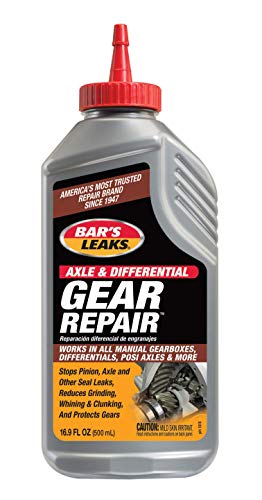
STOPS PINION, AXLE, OUTPUT SHAFT AND OTHER SEAL LEAKS: This is a treatment additive for use with automotive, heavy duty, agricultural, marine and industrial gear oils.

WORKS WITH ALL ENGINE OIL, TRANSMISSION FLUID AND POWER STEERING FLUIDS: Bar's Leaks One Seal multipurpose stop leak effectively seals all minor engine oil, transmission and power steering system leaks.
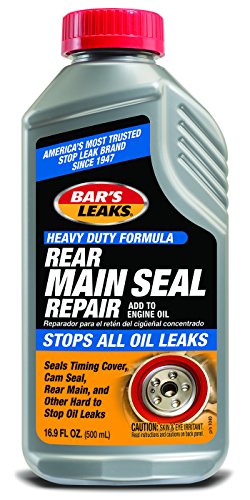
Seals timing cover, cam seal, rear main and other hard to stop oil leaks
How to Identify the Leak
- Check for Fluid Puddles: Look for reddish-brown fluid under your vehicle after it’s parked. Transmission fluid has a distinct color and smell.
- Inspect Seals and Gaskets: Examine the area around the transmission and transfer case for signs of wear or damage. Cracked or worn seals are common culprits.
- Monitor Fluid Levels: Regularly check your transmission fluid level. A decrease may indicate a leak, especially if the transfer case is overfilled with transmission fluid.
- Watch for Warning Lights: Pay attention to dashboard warning lights. The transmission warning light may illuminate if fluid gets into the transfer case.
- Listen for Unusual Sounds: Be alert for grinding, whining, or clunking noises when shifting gears. These sounds often signal fluid issues in the transfer case.
- Fluid Replacement: If a leak occurs, start by draining contaminated transmission fluid from the transfer case. Replace it with the correct type of fluid for your vehicle.
- Seal Replacement: For leaks from damaged seals, replacing them is essential. Ensure you use high-quality, compatible seals to prevent future leaks.
- Gasket Repair: If the gasket between the transmission and transfer case fails, replacing it can often fix the issue. Use gasket materials that match your vehicle’s specifications.
- System Flush: In cases of cross-contamination, flushing the entire system may be necessary. This process removes all contaminated fluids to restore proper function.
- Professional Diagnosis: If you’re unsure about the source of the leak, consult a professional mechanic. They can provide a comprehensive diagnosis and recommend appropriate repairs.
By following these steps and being proactive about maintenance, you can effectively deal with transmission fluid leaks in the transfer case.
Preventative Measures
Taking proactive steps helps prevent transmission fluid from leaking into your transfer case. You can enhance the longevity and performance of your vehicle by following the suggestions below.
Recommended Products

STOPS LEAKS, SLIPPING AND ROUGH SHIFTING: Reduces rough shifting and friction, while eliminating slip, controlling temperature, and repairing shudder, chatter and whining.


REDUCES NOISE AND SMOOTHES OUT HARD STEERING: A unique dual cavity bottle containing a combination of the best performance additives to repair the most common power steering fluid related problems.
Maintenance Tips
- Check Fluid Levels Regularly: Monitor both transmission and transfer case fluid levels every month. Keeping levels within the recommended range prevents overheating and ensures proper lubrication.
- Use Quality Fluids: Always use manufacturer-recommended fluids. High-quality transmission fluids contain additives that protect against wear and tear.
- Inspect Seals and Gaskets: Examine seals and gaskets for wear or damage during routine oil changes. Replacing worn components promptly minimizes the risk of leaks.
- Monitor for Unusual Sounds: Pay attention to any strange noises when shifting gears. Unusual sounds might indicate issues in the transmission or transfer case.
Importance of Regular Inspections
Conducting regular inspections is vital for your vehicle’s health. A yearly inspection can identify potential issues before they escalate.
- Identify Leaks Early: Inspections help catch small leaks before they become significant problems. Look for fresh fluid stains under the vehicle.
- Evaluate Transmission Performance: Assess shifting performance during inspections. Smooth shifts indicate a healthy transmission. If you notice irregularities, address them immediately.
- Prevent Costly Repairs: Keeping up with inspections saves money in the long run. Detecting issues early often prevents expensive repairs, ensuring your vehicle runs smoothly and safely.
Conclusion
Addressing transmission fluid leaks into the transfer case is crucial for keeping your vehicle in top shape. By staying vigilant and recognizing the symptoms early you can avoid more serious issues down the road. Regular maintenance checks and using quality fluids will go a long way in ensuring everything runs smoothly.
Don’t underestimate the importance of inspecting seals and gaskets since they play a vital role in preventing leaks. Taking these proactive steps not only enhances your vehicle’s performance but also extends its lifespan. Your car deserves the best care so make it a priority to keep an eye on those fluid levels and enjoy a worry-free driving experience.
Frequently Asked Questions
What are the symptoms of transmission fluid leaking into the transfer case?
Unusual shifting, strange noises, and difficulty engaging gears are common symptoms of transmission fluid leaking into the transfer case. You may also notice a decrease in four-wheel drive performance or a warning light on your dashboard.
What causes transmission fluid leaks in the transfer case?
Leaking transmission fluid in the transfer case can be caused by worn seals, damaged gaskets, or improper maintenance. Overheating or contamination of the fluid can also contribute to leaks.
How can I prevent transmission fluid leaks?
Regularly check fluid levels, use quality transmission fluids, and inspect seals and gaskets for wear. Monitoring for any unusual sounds or performance issues can help catch problems early.
How often should I inspect my vehicle’s transmission system?
It’s recommended to conduct yearly inspections of your vehicle’s transmission system. This can help identify potential issues early and ensure your vehicle operates smoothly and safely.
What should I do if I suspect a fluid leak?
If you suspect a transmission fluid leak, it’s essential to have your vehicle inspected by a professional mechanic immediately. Early detection can prevent costly repairs and ensure your vehicle remains in good condition.
