

Have you ever wondered what fluid goes into your vehicle’s transfer case? You’re not alone. Many drivers face confusion when it comes to maintaining this crucial component of their all-wheel or four-wheel drive systems. Using the right fluid is essential for smooth operation and longevity.
Imagine you’re gearing up for an off-road adventure, only to discover your transfer case is low on fluid. That’s a recipe for trouble. This article will guide you through the types of fluids available and help you make the right choice for your vehicle. By the end, you’ll feel confident in ensuring your transfer case runs smoothly, keeping you on the road and ready for anything.
Key Takeaways
- Understanding Transfer Cases: A transfer case is essential in four-wheel and all-wheel drive vehicles, responsible for power distribution to the front and rear axles, enhancing traction and performance.
- Types of Fluids: Vehicles typically use Automatic Transmission Fluid (ATF), gear oil, or synthesized fluids in their transfer cases. Always refer to your owner’s manual for the correct type.
- Fluid Selection Factors: When choosing transfer case fluid, consider vehicle manufacturer recommendations, climate conditions, and driving style to ensure optimal vehicle performance.
- Maintenance Importance: Regularly checking and changing your transfer case fluid helps maintain smooth operation and prolongs the life of this critical component.
- Common Mistakes: Avoid using the wrong type of fluid and neglecting regular maintenance, as these can lead to decreased performance and costly repairs.
- Tools for Maintenance: Utilize the right tools like a socket wrench, drain pan, and funnel to simplify fluid checking and changing tasks, ensuring a cleaner process.
Understanding Transfer Cases
A transfer case is a vital component in four-wheel drive and all-wheel drive vehicles. It helps direct power from the transmission to both the front and rear axles, ensuring that all wheels receive the necessary torque for optimal traction.
What Is a Transfer Case?
A transfer case is a gearbox that transfers power from the engine to the drive wheels. It typically sits between the transmission and the front and rear driveshafts. Transfer cases can be manually or automatically engaged, and they usually feature multiple drive modes. Common examples include full-time, part-time, and 4WD low.
Functions of a Transfer Case
A transfer case performs several key functions:
- Power Distribution: Distributes torque between the front and rear wheels.
- Drive Mode Shifting: Allows switching between 2WD, 4WD high, and 4WD low.
- Gear Reduction: Provides lower gear ratios for improved traction on challenging terrain.
- Center Differentials: Maintains wheel speed differences between the front and rear axles, preventing tire wear during turns.
Understanding these functions helps you appreciate the importance of keeping the transfer case well-maintained and the fluid levels proper.
Types of Transfer Case Fluids
Different vehicles require specific types of fluids for their transfer cases. Understanding these can help you maintain your vehicle’s performance and longevity.
Recommended Products

Formulated with full-synthetic base stocks and advanced additive technology to meet the challenging demands of automatic transmissions

PREMIUM DEXRON 3 TRANSMISSION FLUID – Specially formulated to meet or exceed GM Dexron III and Ford Mercon requirements, delivering reliable performance for a wide range of vehicles.

Meets the challenging demands of different all-wheel and four-wheel drive vehicles with multi-powered axles
Automatic Transmission Fluid (ATF)
Automatic Transmission Fluid (ATF) serves as the primary fluid in many transfer cases. It offers excellent lubrication and prevents wear. ATF also contains additives that enhance performance under varying temperatures. Check the owner’s manual to confirm the specific type of ATF required, as some vehicles may need a particular variant like Dexron or Mercon.
Gear Oil
Gear oil is commonly used in transfer cases that demand higher viscosity. It’s designed for heavy-duty applications and provides superior protection against wear and heat. Gear oil typically comes in multi-grade varieties, suitable for different temperature ranges. Always verify the manufacturer’s recommendations for the correct gear oil type and viscosity grade, like 75W-90.
Synthesized Fluids
Synthesized fluids provide advanced performance and longevity compared to traditional oils. These fluids often enhance fuel efficiency and reduce friction. They can withstand extreme temperatures and harsh conditions, making them ideal for high-performance vehicles. Always consult your vehicle’s manual to determine if synthetic fluid is recommended for your transfer case, as it might offer enhanced protection and efficiency over conventional options.
Factors Influencing Fluid Choice
Choosing the right fluid for your transfer case depends on several critical factors. Understanding these elements helps ensure optimal performance and longevity of your vehicle.
Recommended Products

HANDY DESIGN - Plunger pump design screws in and locks down for storage. A third hand adapter secures the fill tube while pumping, offering convenience and ease of use.

5CC PER STROKE: This manual transfer pump dispenses 5cc of fluid per full stroke for controlled filling. Use the gear oil pump to move suitable gear oil, transmission fluid and differential fluid from compatible quart bottles.

【Multiple Applications】This transmission fluid pump fits standard quart bottles come with 28mm bottle cap,with an 8cc per pump stroke capacity,Suitable for dozens of uses including oil changes,siphoning gasoline,and transferring a wide range of fluids such as engine oil, biodiesel, kerosene, or shampoo,detergent.
Vehicle Manufacturer Recommendations
Manufacturer guidelines dictate the specific type of fluid required for your transfer case. Always consult your owner’s manual to find this important information. Different manufacturers may suggest Automatic Transmission Fluid (ATF), gear oil, or specialized synthetic fluids. Using fluids that meet manufacturer specifications guarantees proper function and protects critical components from wear.
Climate and Driving Conditions
Climate significantly impacts fluid performance. In colder climates, fluids with lower viscosity help maintain proper flow and lubrication. In contrast, hotter climates may require fluids designed to withstand higher temperatures, preventing breakdown. Additionally, your driving conditions matter. Off-road driving or frequent towing increases stress on the transfer case, necessitating fluids that provide excellent protection and prevent overheating. Always consider these factors to choose a fluid that suits your specific environment and driving style.
How to Check and Change Transfer Case Fluid
Checking and changing your transfer case fluid ensures smooth operation and longevity. Regular maintenance checks keep your vehicle running efficiently in various conditions.
Recommended Products

Efficient Pumping: This fluid transfer pump comes with two different height suction tubes for quart bottles of different heights, making it easy to reach the bottom of the bottle. Easily control the amount of fluid pumped out without worrying about overfilling, making oil change operations easier on boats and vehicles.
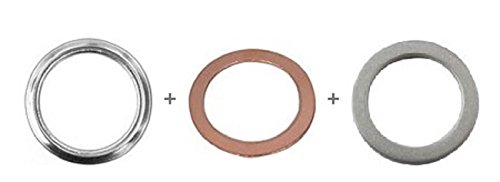
GENUINE TOYOTA GASKET KIT

[High-quality Materials] The lower gear oil pump is made of high-quality materials, which is durable and ensures fast and precise refilling of lubricating oil for the lower device of the marine engine, and is easy to use.
Step-by-Step Guide
- Locate the Transfer Case: Find the transfer case under your vehicle, usually near the transmission. Refer to your owner’s manual for exact placement.
- Check Fluid Level:
- Remove the fill plug using a socket wrench.
- Insert a clean finger into the fill hole. If fluid seeps out, the level’s good. If not, you need to add fluid.
- Change Fluid:
- Place a drain pan under the transfer case. Remove the drain plug to let old fluid drain completely.
- Clean the drain plug and reinstall it.
- Add the recommended fluid through the fill plug until it starts to overflow.
- Secure All Plugs: Ensure both fill and drain plugs are tight to prevent leaks.
- Test Drive: Take your vehicle for a short drive. Check for leaks and ensure smooth operation.
- Socket Wrench Set: Use it to remove the fill and drain plugs.
- Drain Pan: This catches old fluid during the change process.
- Funnel: Use a funnel for easy fluid insertion.
- Clean Cloth: Wipe any spills around the fill and drain areas.
- Owner’s Manual: Reference for correct fluid type and capacity.
Having the right tools simplifies the process and helps prevent messes. Regular checks and changes keep your transfer case functioning smoothly.
Common Mistakes to Avoid
Using the correct fluid in your transfer case is crucial for optimal performance. Here are some common mistakes to avoid to ensure that your vehicle runs smoothly.
Using the Wrong Fluid
Choosing the incorrect fluid can lead to serious issues in your transfer case. Each type of transfer case fluid, such as Automatic Transmission Fluid (ATF) or Gear Oil, serves a specific purpose. Mixing different fluid types or using a fluid that doesn’t meet manufacturer specifications can cause poor lubrication and increased wear. Always check your owner’s manual to ensure you use the recommended fluid.
Neglecting Regular Maintenance
Overlooking regular maintenance can lead to fluid breakdown and decreased performance. Schedule routine checks of your transfer case fluid every 30,000 miles or as suggested by your vehicle’s manufacturer. Changing the fluid ensures optimal lubrication and performance. Skipping this step can result in expensive repairs down the line.
Conclusion
Choosing the right fluid for your transfer case is key to keeping your vehicle running smoothly. By sticking to the manufacturer’s recommendations and understanding the specific needs of your vehicle, you can avoid costly repairs down the line. Regular maintenance checks not only enhance performance but also extend the life of your transfer case. So whether you’re gearing up for an off-road adventure or just driving around town, make sure you’re using the right fluid to keep everything in top shape. Happy driving!
Frequently Asked Questions
What is the role of a vehicle’s transfer case?
The transfer case is crucial for distributing power to all wheels in a vehicle. It helps maintain traction, especially during off-road adventures, and ensures stability in various driving conditions.
Why is using the correct transfer case fluid important?
Using the correct transfer case fluid is vital for optimal performance and longevity. The right fluid minimizes wear, provides lubrication, and supports the transfer case’s functionality under different driving conditions.
What types of fluids are used in transfer cases?
Common transfer case fluids include Automatic Transmission Fluid (ATF), Gear Oil, and Synthesized Fluids. Each type offers specific benefits like wear prevention and enhanced lubrication, tailored to different driving needs.
How can I find the right fluid for my vehicle’s transfer case?
To find the right fluid, check your vehicle’s owner’s manual for manufacturer recommendations. This document provides essential information on the specific type and grade of fluid needed.
What are common mistakes to avoid when maintaining a transfer case?
Common mistakes include using the wrong fluid type and neglecting regular maintenance checks. Both can lead to fluid breakdown, decreased performance, and potentially costly repairs.
How often should I check my transfer case fluid?
It’s advisable to check your transfer case fluid regularly, particularly before off-road trips. Follow the schedule suggested in your owner’s manual to maintain optimal performance and longevity.
Can climate affect my choice of transfer case fluid?
Yes, climate can influence the choice of transfer case fluid. In extreme temperatures, you’ll want a fluid that performs well under specific conditions to ensure effective protection and operation.
What happens if I use the wrong transfer case fluid?
Using the wrong transfer case fluid can cause serious issues like improper lubrication, increased wear, and potential damage to the transfer case. Always use the recommended fluid to avoid such risks.
