

Have you ever wondered how to keep your vehicle running smoothly, especially when tackling tough terrains? Checking the fluid level in your transfer case is a crucial step in maintaining your vehicle’s performance. If you ignore it, you might face costly repairs down the road.
In this article, you’ll learn simple steps to check the fluid level in your transfer case, ensuring your vehicle stays in peak condition. Regular checks can prevent overheating and improve your vehicle’s handling. Let’s make sure you’re equipped with the knowledge to keep your ride reliable and safe.
Key Takeaways
- Importance of Fluid Level: Regularly checking the transfer case fluid level is essential for vehicle performance and longevity, preventing overheating and ensuring reliable handling.
- Simple Maintenance: Checking the fluid level is an easy maintenance task that should be performed regularly to avoid costly repairs and enhance vehicle safety.
- Required Tools: Gather necessary tools such as a wrench set, fluid level indicator, and manufacturer-recommended fluid to streamline the checking process.
- Step-by-Step Process: Follow a straightforward method to check fluid levels, including parking on level ground, locating the transfer case, and assessing fluid condition.
- Signs of Problems: Be aware of warning signs of low or contaminated fluid, such as unusual noises, fluid leaks, and dashboard warning lights to address issues early.
- Consequences of Neglect: Ignoring fluid issues can lead to increased wear, complete transfer case failure, reduced handling performance, and serious safety risks.
Importance of Checking Fluid Level in Transfer Case
Checking the fluid level in your transfer case plays a critical role in your vehicle’s performance and longevity.
Prevents Overheating
Fluid in the transfer case lubricates gears and other components. When the fluid runs low, parts generate excess heat. Consistently monitoring levels helps prevent overheating, which can lead to severe damage.
Enhances Handling
A properly filled transfer case contributes to seamless power distribution between the front and rear axles. Adequate fluid levels ensure stability and better handling, especially in challenging conditions.
Ensures Reliability and Safety
Regular checks on fluid levels promote overall vehicle reliability. Low fluid can lead to malfunction or complete failure in crucial driving situations. Maintaining optimal levels ensures safer driving on all terrains.
Cost-Effectiveness
Addressing fluid issues early prevents costly repairs down the line. Fixing a transfer case that has burned out due to low fluid can run into hundreds or thousands of dollars. Regularly checking fluid levels offers substantial savings.
Simple Maintenance Step
Checking the fluid level in the transfer case is a straightforward maintenance task. It can easily be done during routine vehicle inspections, promoting peace of mind as you drive.
Tools Needed for Checking Fluid Level
Gathering the right tools simplifies the process of checking your transfer case fluid level. Here’s what you’ll need to ensure an effective check.
Recommended Products
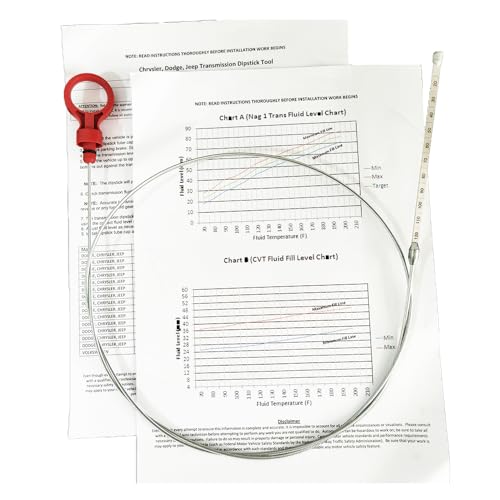
Replacement Part #: 8863B, 9336, 9336A, 917-327 42RLE, NAG1, 45RFE, 62TE. Compatible models: 300C, Challenger, Charger, Magnum on 2.7 , 3.5 , 3.6 3.7 , 5.7 , 6.1 , 6.4 Engines
Recommended Tools
- Wrench Set: Use a socket or open-end wrench to remove the fill plug. A size between 10mm and 14mm often fits most transfer cases.
- Fluid Level Indicator: Employ a dipstick or fluid level gauge for precise measurement. This helps ensure you achieve the correct fluid level.
- Fluid Container: Keep a clean container for collecting any excess fluid during the process. It prevents spills and maintains a clean workspace.
- Transfer Case Fluid: Select the manufacturer-recommended fluid type. Refer to your owner’s manual for specific recommendations to avoid compatibility issues with your vehicle.
- Gloves: Wear latex or nitrile gloves to protect your hands from dirt and chemicals. Keeping clean prevents contamination.
- Safety Glasses: Use safety glasses to shield your eyes from potential fluid splashes when removing the fill plug. This maintains safety during the process.
- Protective Clothing: Opt for long sleeves and durable pants to protect against spills or leaks. Keeping covered helps you stay safe while working.
Equipped with these tools and safety gear, you’re well-prepared to check the fluid level in your transfer case efficiently and safely.
Step-by-Step Guide on How to Check Fluid Level in Transfer Case
Checking the fluid level in your transfer case is simple and crucial for your vehicle’s performance. Follow these steps for an effective process.
Recommended Products

Meets the challenging demands of different all-wheel and four-wheel drive vehicles with multi-powered axles

PROFESSIONAL TRANSMISSION FLUID PUMP: Our transmission fluid pump kit is a set of tools designed to help transfer transmission fluid efficiently during maintenance or repair procedures. It typically includes a hand-operated pump, hoses, 13pcs ATF adapters, rotate control handle and instructions for proper usage

HIGH PERFORMANCE - gear protection and longer synchro life, Satisfies the gear oil viscosity requirements of 70W & 75W
Preparing Your Vehicle
- Park on Level Ground: Make sure your vehicle is parked on a flat surface. This ensures accurate fluid level readings.
- Engage the Parking Brake: Activate the parking brake to prevent rolling during the check.
- Allow Engine to Cool: Wait for the engine to cool down. This step helps avoid potential burns while checking.
Locating the Transfer Case
- Identify Your Vehicle Type: Refer to your vehicle’s manual for the exact location. Transfer cases are commonly found near the transmission.
- Look for a Metal Casing: The transfer case typically has a rectangular or round shape and is often covered in a metal casing.
- Check Underneath the Vehicle: If necessary, use a jack and jack stands or ramps to get under your vehicle safely. Always ensure the vehicle is secure before working underneath it.
- Remove the Fill Plug: Use a wrench from your tool set to loosen the fill plug on the transfer case. This plug is usually located on the side or top.
- Use a Fluid Level Indicator: Insert a fluid level indicator or your finger into the opening. The fluid should touch the tip of your finger or the end of the indicator.
- Assess Fluid Condition: Observe the fluid. It should be clear or slightly tinted. Any signs of milky appearance or metal shavings indicate a problem.
- Refill if Necessary: If the fluid level is low, use the manufacturer-recommended transfer case fluid and pour it into the fill hole until it starts to seep out. This indicates the level is correct.
Following these structured steps ensures you maintain your transfer case’s health and efficiency.
Signs of Low or Contaminated Fluid
Monitoring the condition of your transfer case fluid is crucial. Recognizing the signs of low or contaminated fluid helps maintain your vehicle’s performance and prevent further damage.
Recommended Products

Specifically approved for use in GM automatic four-wheel drive vehicles with transfer cases

Long lasting endurance

Full-synthetic transfer case fluid for on-demand and full-time AWD/4x4 systems across European, Asian and US OEMs. Applications include Porsche Cayenne/Macan, BMW xDrive, Audi Quattro, Land Rover/Range Rover, Nissan, Mercedes-Benz 4MATIC (MB 239.41 Torque-on-Demand), Genesis/Kia TF-0870B (G70, G80, G90, Stinger AWD).
Warning Signs
- Unusual Noises: Grinding or clunking noises during gear shifts often indicate low or contaminated fluid.
- Fluid Leaks: Puddles of reddish-brown or black fluid under your vehicle signal potential leaks in the transfer case.
- Overheating: An overheating transmission can arise from insufficient fluid levels.
- Shifting Problems: Hesitation or difficulty when shifting gears often occurs with low fluid levels, impacting your driving experience.
- Warning Lights: Dashboard lights specifically for the transfer case or transmission can indicate fluid issues.
Consequences of Neglect
Ignoring low or contaminated transfer case fluid can lead to several complications:
- Increased Wear: Low fluid causes more friction between gears, leading to accelerated wear and tear.
- Complete Failure: Severe neglect can result in your transfer case failing, leading to costly repairs or replacement.
- Reduced Handling: Inadequate fluid affects traction and handling, especially in off-road or adverse conditions.
- Safety Risks: Performance issues can pose safety hazards, increasing the risk of accidents.
Recognizing these signs and consequences allows you to address issues promptly and keep your vehicle running smoothly.
Conclusion
Keeping an eye on your transfer case fluid is key to your vehicle’s health. Regular checks not only help you catch issues early but also ensure a smoother ride. By staying proactive about maintenance you can enjoy peace of mind knowing your vehicle’s ready for any adventure. Don’t wait for warning signs to appear—make fluid checks a part of your routine and keep your ride in top shape. Your vehicle will thank you for it!
Frequently Asked Questions
What is a transfer case in a vehicle?
A transfer case is a component in four-wheel and all-wheel drive vehicles that distributes power from the engine to the front and rear axles. It helps in managing torque and allows the vehicle to handle different terrains effectively.
Why is it important to check transfer case fluid levels?
Maintaining proper transfer case fluid levels is crucial for optimal vehicle performance. Regular checks can prevent overheating, enhance handling, and ensure reliability on various terrains, ultimately extending the lifespan of the transfer case.
What are the signs of low or contaminated transfer case fluid?
Signs of low or contaminated transfer case fluid include unusual noises, fluid leaks, overheating, shifting problems, and warning lights on the dashboard. Recognizing these indicators promptly can help prevent further damage.
How can neglecting transfer case fluid impact my vehicle?
Neglecting transfer case fluid can lead to increased wear and tear, complete failure of the transfer case, reduced vehicle handling, and serious safety risks. Addressing fluid issues early is vital for maintaining vehicle health.
How often should I check my transfer case fluid?
It’s recommended to check your transfer case fluid at least once a year or every 30,000 to 50,000 miles. Consult your vehicle’s manual for specific guidelines related to your make and model for optimal maintenance.
