

Have you ever wondered what keeps your vehicle’s drivetrain running smoothly? If you own a four-wheel-drive or all-wheel-drive vehicle, understanding the role of the transfer case is crucial. Many drivers are unsure whether it uses transmission fluid or a different type of lubricant, which can lead to confusion when it comes to maintenance.
You’re not alone if you’ve faced issues with your vehicle’s performance. Knowing the right fluids to use can save you time and money on repairs. This article will clarify whether a transfer case uses transmission fluid and explain the importance of using the correct lubricant for your vehicle’s health. By the end, you’ll feel more confident in keeping your ride in top shape.
Key Takeaways
- Understanding Transfer Cases: Transfer cases are crucial for managing power distribution in four-wheel-drive and all-wheel-drive systems, enhancing vehicle traction and control.
- Fluid Requirements: Not all transfer cases use transmission fluid; the required fluid depends on the vehicle’s design and transfer case type. Always consult your vehicle’s manual for specific recommendations.
- Types of Transfer Cases: There are various transfer case types, including part-time, full-time, automatic, and electronic, each with unique fluid needs.
- Functions of Transmission Fluid: Transmission fluid lubricates, cools, creates hydraulic pressure for gear engagement, and keeps internal components clean, severely impacting vehicle performance.
- Myths and Misconceptions: It’s a myth that all transfer cases use the same fluid; using the incorrect type can lead to operational issues or damage.
- Regular Maintenance: Regularly check and maintain fluid levels to ensure your transfer case operates efficiently and to prevent costly repairs.
Understanding Transfer Cases
Transfer cases play a crucial role in four-wheel-drive and all-wheel-drive systems. They manage the distribution of power from the transmission to the front and rear axles. Knowing how they work helps you maintain your vehicle better.
What Is a Transfer Case?
A transfer case is an essential component in vehicles equipped with four-wheel drive or all-wheel drive. It sits between the transmission and the driveshafts, directing power to both the front and rear axles. This allows for improved traction and control, especially on slippery or uneven terrain. Transfer cases may feature various gear ratios and options for high and low ranges, enabling you to adapt to different driving conditions.
Types of Transfer Cases
Different types of transfer cases exist, each catering to various vehicle needs:
- Part-Time Transfer Cases
Part-time transfer cases engage the front axle only when needed. You switch between two-wheel drive and four-wheel drive, optimizing fuel economy when four-wheel drive is unnecessary. - Full-Time Transfer Cases
Full-time transfer cases send power to both axles at all times. They improve traction in various conditions but may lead to increased wear on components. - Automatic Transfer Cases
Automatic transfer cases adjust power distribution based on driving conditions. They provide seamless transitions between two-wheel drive and four-wheel drive without any driver input. - Electronic Transfer Cases
Electronic transfer cases use electronic controls to engage or disengage the four-wheel-drive system. They often offer features like automatic engagement based on traction conditions. - Chain-Driven vs. Gear-Driven
Chain-driven transfer cases use a chain for power distribution, while gear-driven systems use gears. Chain-driven systems are generally quieter, while gear-driven systems offer more robustness.
Understanding the type of transfer case in your vehicle is essential for effective maintenance and repair. Always reference your owner’s manual for specific information on fluid types and maintenance schedules.
The Role of Transmission Fluid
Transmission fluid plays a crucial part in maintaining vehicle performance. Understanding its functions helps clarify its importance in both transfer cases and transmissions.
Recommended Products

For use in 95% of vehicles including most CVTs in operation with US registered light duty applications

For use in 95% of vehicles including most CVTs in operation with US registered light duty applications
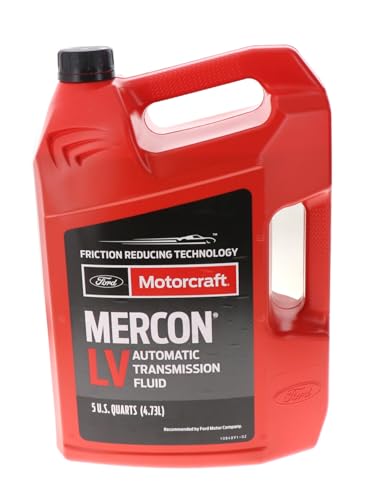
Motorcraft Transmission Fluid - XT105Q3LV
What Is Transmission Fluid?
Transmission fluid is a specialized lubricant designed for automotive transmissions. It’s formulated to ensure smooth gear shifts, prevent wear, and protect internal components. Different types exist, including automatic transmission fluid (ATF) and manual transmission fluid, each tailored for specific systems. Understanding the exact type your vehicle requires ensures optimal function and longevity.
Functions of Transmission Fluid
Transmission fluid serves multiple critical functions:
- Lubrication: It minimizes friction between moving parts, which reduces wear and extends the lifespan of components.
- Cooling: Fluid absorbs and dissipates heat generated by the transmission, preventing overheating that could lead to severe damage.
- Hydraulic Pressure: Fluid creates the hydraulic pressure required for proper gear engagement and disengagement, ensuring that shifts occur smoothly.
- Cleaning: It carries away contaminants, helping to maintain cleanliness within the transmission and preventing sludge buildup.
Using the correct transmission fluid in your vehicle is vital for sustaining its performance and reliability.
Does a Transfer Case Use Transmission Fluid?
Yes, a transfer case can use transmission fluid, but not always. The type of fluid required depends on the vehicle’s design and the specific transfer case model. Understanding these distinctions helps maintain performance and prolongs the life of your vehicle.
Recommended Products
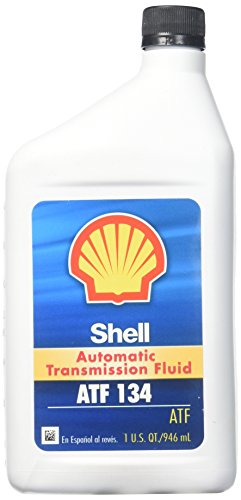
Shell ATF 134 Mercedes Benz Transmission Fluid 236.14 236.12

Specifically approved for use in GM automatic four-wheel drive vehicles with transfer cases

Exceeds demands of automatic transmissions of most Chrysler, Dodge, Ram & other Stellantis vehicles
Compatibility of Fluids
Compatibility plays a crucial role in selecting the right fluid for your transfer case. Some transfer cases use automatic transmission fluid (ATF), while others require dedicated transfer case fluid or gear oil. Always consult your vehicle’s manual to determine the correct fluid type. Using incompatible fluids can lead to operational issues or even damage.
Scenarios of Fluid Usage
Fluid usage varies based on the transfer case configuration. Here are common scenarios:
- Automatic Transfer Cases: Often use ATF, providing lubrication and cooling.
- Manual Transfer Cases: Typically rely on gear oil, providing better protection for heavy-duty applications.
- Chain-Driven Systems: Generally require low-viscosity ATF to ensure smooth operation.
- Gear-Driven Systems: Usually benefit from thicker gear oil to handle higher loads.
Being aware of these scenarios helps you choose the right fluid, ensuring your transfer case functions correctly. Always prioritize using the manufacturer’s recommended fluid for optimal performance.
Common Myths and Misconceptions
Understanding the facts about transfer case fluids clears up confusion. Here are some common myths to debunk.
Myth 1: All Transfer Cases Use the Same Fluid
Not all transfer cases use the same type of fluid. Each model varies in design and fluid requirements. For instance, some transfer cases operate effectively with automatic transmission fluid (ATF), while others require specific transfer case fluid or gear oil. Always check your vehicle’s manual to determine the right fluid type for your specific transfer case model.
Myth 2: Transmission Fluid is Optional
Transmission fluid isn’t optional for your transfer case. Using the wrong fluid can lead to severe damage. If your vehicle specifies ATF, using gear oil or another fluid can cause malfunctions. Ensure you follow the manufacturer’s recommendations to maintain your vehicle’s performance and longevity. Always prioritize the correct fluid for your transfer case.
Maintenance and Care
Maintaining your transfer case is crucial for a smoothly operating vehicle. Regular care can prevent costly repairs and ensure optimal performance.
Recommended Products

【Multiple Applications】This transmission fluid pump fits standard quart bottles come with 28mm bottle cap,with an 8cc per pump stroke capacity,Suitable for dozens of uses including oil changes,siphoning gasoline,and transferring a wide range of fluids such as engine oil, biodiesel, kerosene, or shampoo,detergent.

🚗Fits Standard Quart Bottles with 28mm Bottle Cap

COMPATIBILITY – Fits 2003-2006 Cadillac Escalade ESV; 2007-2014 Cadillac Escalade ESV; 2007-2007 Cadillac Escalade ESV; 2008-2014 Cadillac Escalade ESV; 2010-2014 Cadillac Escalade ESV; 2002-2002 Cadillac Escalade EXT; 2003-2006 Cadillac Escalade EXT; 200
Checking Fluid Levels
Checking fluid levels in your transfer case should occur regularly. Start by locating the transfer case fill plug, usually found on the side of the case. Remove the plug and insert a clean finger. If the fluid reaches your fingertip, the level’s adequate. If it’s low, add the recommended fluid until it reaches the proper level. Conduct this check monthly or every oil change, especially if you use your vehicle off-road.
Recommended Fluid Types
Using the correct fluid type is essential for your transfer case’s longevity. Most transfer cases utilize specialized fluids that differ from standard transmission fluid. Always refer to your vehicle’s manual for the specific fluid type. For example, many models require automatic transmission fluid (ATF), while others need a dedicated transfer case fluid. Using the right fluid protects components and keeps your transfer case functioning correctly.
Conclusion
Understanding your transfer case and the fluids it requires is key to keeping your vehicle running smoothly. By using the right transmission fluid and sticking to a regular maintenance schedule you can enhance performance and extend the life of your transfer case. Don’t overlook this important component of your four-wheel-drive or all-wheel-drive system. A little attention now can save you from more significant issues down the road. So keep an eye on those fluid levels and enjoy the ride with confidence!
Frequently Asked Questions
What is a transfer case in a four-wheel-drive vehicle?
A transfer case is a critical component in four-wheel-drive (4WD) and all-wheel-drive (AWD) vehicles. It manages the distribution of power from the engine to both the front and rear axles, allowing for optimal traction and control on various terrains.
What types of transfer cases are there?
There are mainly two types of transfer cases: chain-driven and gear-driven systems. Chain-driven transfer cases use chains to transmit power, while gear-driven ones rely on gears. Each type has its advantages and disadvantages related to performance and durability.
Why is the right fluid important for my transfer case?
Using the correct fluid type is essential for ensuring smooth operation and preventing damage. The wrong fluid can lead to shifting issues, overheating, and premature wear, affecting overall vehicle performance.
How often should I check my transfer case fluid?
It’s recommended to regularly check your transfer case fluid level, especially after off-road driving or long trips. A good practice is to check it every 30,000 miles or per your vehicle’s manual guidelines for optimal performance.
What are common myths about transfer case fluids?
A common myth is that all transfer case fluids are the same. This is false; each vehicle model requires specific fluid types. Always refer to your vehicle’s manual to ensure you’re using the correct fluid to prevent potential damage.
