

Have you ever wondered how to keep your Chevy Silverado running smoothly? One key aspect often overlooked is the transfer case fluid. Neglecting this simple maintenance task can lead to costly repairs down the road.
Key Takeaways
- Transfer Case Fluid Role: Crucial for lubrication, cooling, and protection of components, ensuring smooth power transfer and operation.
- Regular Checks: Consistently inspect fluid levels and condition to prevent mechanical failures and extend the lifespan of your Chevy Silverado.
- Identifying Deterioration: Look for dark color, burnt smell, or metal shavings as signs of fluid degradation that indicate the need for maintenance.
- Proper Fluid Type: Always use the manufacturer-recommended transfer case fluid, such as GM AutoTrac II or AC Delco, for optimal performance.
- Essential Tools: Utilize a wrench set, fluid pump, drain pan, and other tools to safely and effectively check and replace transfer case fluid.
- Addressing Issues Early: Act promptly on signs of low or dirty fluid to avoid costly repairs and ensure safe vehicle operation.
Overview of Transfer Case Fluid
Transfer case fluid plays a crucial role in the functionality of your Chevy Silverado. This fluid lubricates and cools the components within the transfer case, ensuring smooth operation while transferring power from the transmission to the axles. Regular checks and maintenance of the transfer case fluid help prevent mechanical failures.
Importance of Transfer Case Fluid
- Lubrication: Transfer case fluid reduces friction between moving parts, preventing wear and tear.
- Cooling: This fluid dissipates heat generated during operation, protecting interior components.
- Protection: It shields gears and bearings from corrosion and contaminants, extending the lifespan of the transfer case.
Recommended Fluid Type
Use the manufacturer’s recommended transfer case fluid for your specific model. Chevy typically suggests fluids like GM AutoTrac II or AC Delco transfer case fluid, which are specifically formulated for optimal performance in a Chevy Silverado.
Signs of Deteriorating Fluid
- Dark Color: Fresh transfer case fluid appears clear or light amber. Dark, murky fluid indicates breakdown.
- Burnt Smell: A strong, acrid odor suggests overheating, necessitating immediate inspection.
- Metal Shavings: Finding metallic particles can signal internal damage.
Checking Transfer Case Fluid
To maintain optimal performance, check the transfer case fluid level regularly. Follow these steps:
- Locate the Transfer Case: Find it beneath your truck, usually near the transmission.
- Access the Fill Plug: Remove the fill plug using a socket wrench.
- Check Fluid Level: Insert a finger into the opening; fluid should be level with the bottom of the fill hole.
- Assess Fluid Condition: Inspect the fluid’s color and smell.
- Add Fluid if Necessary: If the level is low or the fluid is degraded, add the appropriate fluid until it reaches the correct level.
By understanding the importance and monitoring the condition of your transfer case fluid, you can enhance your vehicle’s performance and longevity.
Importance of Checking Transfer Case Fluid
Checking transfer case fluid regularly is crucial for optimal performance and vehicle longevity. Proper fluid levels ensure that components stay lubricated and cool, preventing unnecessary wear.
Impact on Vehicle Performance
Maintaining the right transfer case fluid level directly influences how your Chevy Silverado operates. Adequate fluid enhances torque distribution, enabling smoother transitions between two and four-wheel drive. Consistent lubrication reduces friction and heat build-up, improving overall responsiveness and fuel efficiency. When the fluid is low or dirty, your vehicle may exhibit sluggishness, reduced acceleration, or even erratic shifting, impacting your driving experience.
Preventing Damage and Expensive Repairs
Neglecting to check transfer case fluid can lead to severe mechanical issues. Insufficient lubrication may cause gears to grind or seize, damaging critical components. Replacing a worn-out transfer case can cost hundreds to thousands of dollars. Timely fluid checks help spot signs of contamination or depletion, allowing you to address problems early and avoid costly repairs. Keeping your transfer case fluid in check not only extends the life of your vehicle but also ensures safer driving conditions.
Tools Required for Checking Transfer Case Fluid
Checking the transfer case fluid in your Chevy Silverado requires specific tools for accuracy and safety. Having the right equipment makes this task easier.
Recommended Products

Long lasting endurance

【Wide Application】Perfectly fits for transferring the front-output seal of the 1998-up General Motors full-size truck, for Chevrolet Avalanche 2007, for Chevrolet Avalanche 1500 2006-2002, for Chevrolet Silverado 1998, for Chevrolet Silverado 1500 2007-1999, for Chevrolet Silverado 1500 Classic 2007, for Chevrolet Suburban 1500 2006-1998, for Chevrolet Tahoe 2006-1998, for GMC Sierra 1500 2007-1999, for GMC Sierra 1500 Classic 2007, for GMC Yukon 2006-1998, for Cadillac Escalade 2000-1999.
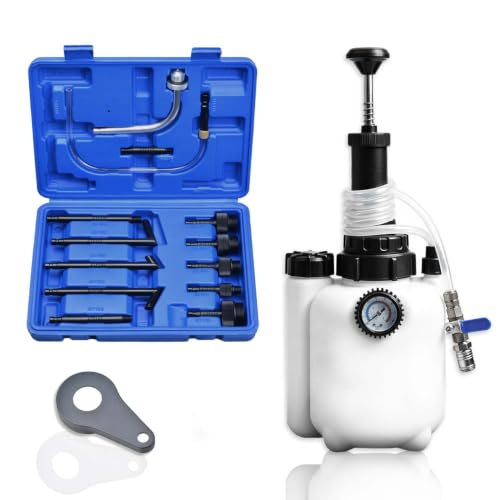
Function: Checking and changing your transmission fluid keeps your automatic transmission lubricated and running smoothly and it helps to avoid wear on your clutches
Essential Tools List
- Wrench Set: Use a wrench set to remove the transfer case fill plug. Common sizes include 3/8-inch and 1/2-inch.
- Socket Ratchet: A socket ratchet aids in loosening stubborn fill plugs. Ensure the correct size socket fits your plug.
- Fluid Pump: A fluid pump helps add new transfer case fluid without spilling. Look for one designed for automotive fluids.
- Drain Pan: Use a drain pan to catch any excess fluid during operation. This keeps your work area clean and prevents mess.
- Torque Wrench: A torque wrench ensures the fill plug is tightened to the manufacturer’s specifications, preventing leaks.
- Magnetic Pickup Tool: This tool helps retrieve dropped screws or plugs from hard-to-reach areas, saving you time and frustration.
- Funnel: A funnel simplifies adding fluid, especially in tight spaces. Choose a funnel with a long neck to reach deep into the transfer case.
- Fluid Transfer Kit: These kits often include everything you need for fluid changes and can be a versatile addition to your toolbox.
- LED Work Light: Good lighting improves visibility under the vehicle. An LED work light helps you see clearly when checking and replacing fluid.
Equipping yourself with these tools enhances your experience while checking the transfer case fluid, ensuring that the process runs smoothly.
Step-by-Step Guide to Checking Transfer Case Fluid
Checking your transfer case fluid helps maintain your Chevy Silverado’s performance. Follow these steps for a thorough check.
Recommended Products

Specifically approved for use in GM automatic four-wheel drive vehicles with transfer cases

COMPATIBILITY – Fits 2003-2006 Cadillac Escalade ESV; 2007-2014 Cadillac Escalade ESV; 2007-2007 Cadillac Escalade ESV; 2008-2014 Cadillac Escalade ESV; 2010-2014 Cadillac Escalade ESV; 2002-2002 Cadillac Escalade EXT; 2003-2006 Cadillac Escalade EXT; 200

Meets the challenging demands of different all-wheel and four-wheel drive vehicles with multi-powered axles
Locating the Transfer Case
- Identify the Location: The transfer case is typically located behind the transmission. Look for a metal case with either two or four driveshafts attached.
- Consult the Manual: If you’re unsure, refer to your owner’s manual for specific diagrams or information about your Silverado model.
Checking Fluid Level
- Prepare Your Tools: Gather your wrench set, socket ratchet, magnetic pickup tool, and fluid transfer kit.
- Raise the Vehicle: Use ramps or a jack to safely lift your Silverado. Ensure it’s stable before proceeding.
- Remove the Fill Plug: Locate and remove the fill plug, usually at the rear of the case.
- Check Fluid Level: Insert your finger into the hole. The fluid should be just below the fill plug. If you can touch fluid, the level is good. If not, it needs to be replenished.
- Inspect Fluid Quality: Check the fluid’s color and consistency. Healthy fluid should be clear and reddish. If it appears dark or gritty, it may need changing.
- Gather Supplies: Acquire the recommended fluid like GM AutoTrac II or AC Delco, as well as a funnel and fluid pump.
- Add Fluid: Using your pump and funnel, carefully add fluid through the fill hole until it starts to seep out. This indicates a full level.
- Replace Fill Plug: Once filled, securely replace the fill plug to prevent leaks.
- Dispose of Old Fluid: If you’re replacing the fluid, store it in a sealed container for proper disposal at a recycling center.
Following these steps keeps your transfer case fluid at optimal levels, ensuring smooth operation of your Chevy Silverado.
Common Issues and Solutions
Monitoring your transfer case fluid is essential to maintaining your Chevy Silverado’s performance. Addressing common issues early can prevent costly repairs.
Recommended Products

Exact OEM Replacement – GM Part No. 19540587, replaces 10-4017, 88900402, 12378396, 12378508

2-PACK – 2 LITERS TOTAL Includes two 1-liter bottles of GM Transfer Case Auto Fluid, Part Number 19540587, providing 2 liters of fluid total.

Product Type :Auto Part
Signs of Low or Dirty Fluid
Identifying low or dirty transfer case fluid is crucial. Look for these signs:
- Fluid Color: Healthy fluid appears clear or light amber. Dark or milky fluid indicates contamination.
- Fluid Level: Insufficient fluid levels may lead to engine noise, rough shifting, or difficulty engaging four-wheel drive.
- Fluid Odor: A burnt smell suggests overheating fluid, which can signal problems within the transfer case.
Regularly checking for these indicators can save you from serious mechanical failure.
Troubleshooting Transfer Case Problems
If you suspect issues with your transfer case, troubleshoot effectively:
- Inspect for Leaks: Check the ground underneath your vehicle. Puddles or stains may signal leaking seals or gaskets.
- Listen for Unusual Noises: Grinding, clunking, or whining sounds while operating the vehicle indicate internal damage or low fluid.
- Study Gear Engagement: If you experience difficulty switching between two-wheel and four-wheel drive, the fluid may be low or dirty.
- Check Transfer Case Temperature: Overheating may indicate fluid degradation. Ensure your driving pattern matches recommended usage for towing or off-roading.
By remaining vigilant for these signs and troubleshooting effectively, you can maintain your Silverado’s performance and extend its lifespan.
Conclusion
Regularly checking your transfer case fluid is key to keeping your Chevy Silverado running smoothly. By staying on top of fluid levels and quality you can prevent potential issues that could lead to expensive repairs down the road. Remember to use the recommended fluids and pay attention to any signs of trouble like strange noises or fluid discoloration.
Taking these simple steps not only enhances your vehicle’s performance but also extends its lifespan. So grab your tools and make this maintenance task a part of your routine. Your Silverado will thank you for it!
Frequently Asked Questions
What is transfer case fluid, and why is it important for a Chevy Silverado?
Transfer case fluid lubricates and cools the transfer case components. It ensures smooth engagement of gears, affects four-wheel drive performance, and helps prevent overheating or damage. Regular monitoring and maintenance are essential to avoid costly repairs and maintain optimal vehicle performance.
How often should I check the transfer case fluid in my Chevy Silverado?
You should check the transfer case fluid at least once every 30,000 miles or during regular maintenance intervals. However, it’s wise to inspect it more frequently if you notice signs of low or contaminated fluid.
What are the signs that my transfer case fluid needs to be changed?
Look for signs such as a burnt odor, abnormal color (milky or dark brown), and insufficient fluid levels. If you experience rough gear engagement or unusual noises while shifting, it may also indicate the need for a fluid change.
How do I add transfer case fluid to my Chevy Silverado?
To add transfer case fluid, locate the fill plug on the transfer case. Remove it, and use a funnel to add the recommended fluid until it reaches the proper level. Ensure to replace the plug securely after filling.
How should I dispose of old transfer case fluid?
Old transfer case fluid should be disposed of at a recycling center or an auto parts store that accepts used oil. Never pour it down the drain or throw it in the trash to help protect the environment.
