

Have you ever wondered if differential fluid and transfer case fluid are the same? You’re not alone. Many car owners find themselves puzzled by these terms, especially when it comes to maintenance and repairs. Understanding the differences can save you time and money, and keep your vehicle running smoothly.
Imagine you’re gearing up for a road trip, and you realize your vehicle needs some fluid checks. Knowing what type of fluids your car needs can make a world of difference in ensuring a safe and enjoyable journey. This article will clarify the distinctions between differential fluid and transfer case fluid, helping you make informed decisions about your vehicle’s care.
Key Takeaways
- Differential Fluid vs. Transfer Case Fluid: Although both fluids provide essential lubrication, they serve different parts of the vehicle; differential fluid is for the axles, while transfer case fluid is used in 4WD and AWD systems.
- Function and Composition: Differential fluid helps reduce friction between gears in the differential and consists of base oils with additives, while transfer case fluid primarily aids in power distribution between axles and can be mineral or synthetic.
- Common Applications: Differential fluid is commonly found in rear-wheel and all-wheel drive vehicles, whereas transfer case fluid is essential for 4WD trucks, SUVs, and performance vehicles.
- Importance of Regular Maintenance: Both fluids require regular checks and changes according to the owner’s manual to prevent wear, ensures optimal vehicle performance, and maintain the longevity of components.
- Consequences of Using the Wrong Fluid: Using the incorrect fluid can lead to increased wear, reduced efficiency, and overheating, which may result in expensive repairs.
- Professional Guidance: Vehicle owners should consult their manuals for fluid specifications and seek professional advice if unsure about the correct fluids for their specific vehicles.
Overview of Differential Fluid
Differential fluid plays a crucial role in vehicle performance. It lubricates the components of the differential, allowing smooth operation and enhancing durability.
Recommended Products
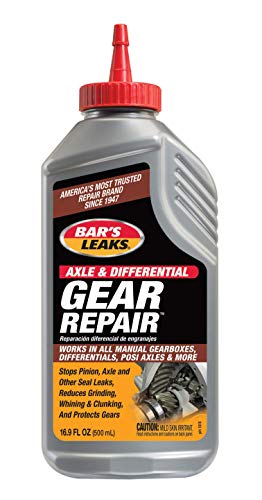
STOPS PINION, AXLE, OUTPUT SHAFT AND OTHER SEAL LEAKS: This is a treatment additive for use with automotive, heavy duty, agricultural, marine and industrial gear oils.

Includes three quarts of conventional oil and one 4oz bottle of Yukon Positraction additive

Motorcraft Rear Axle Oil - XY75WQL
Purpose and Composition
Differential fluid serves multiple purposes. It reduces friction between gears, preventing wear and tear. It also helps transfer power from the engine to the wheels effectively. Typically, differential fluid contains base oils, additives, and anti-foaming agents. These components work together to maintain consistent viscosity, even under high pressure and temperature.
Common Applications
Differential fluid is commonly used in several vehicle types. You’ll find it in cars with traditional rear-wheel or all-wheel drive systems. Most SUVs and trucks also utilize differential fluid, ensuring the rear axle functions correctly. Regularly checking and changing this fluid helps maintain optimal performance and extends component life. Always refer to your owner’s manual for specific recommendations related to fluid types and change intervals.
Overview of Transfer Case Fluid
Transfer case fluid plays a crucial role in a vehicle’s performance, particularly in all-wheel-drive or four-wheel-drive systems. Understanding its purpose and composition helps ensure your vehicle remains in optimal condition.
Purpose and Composition
Transfer case fluid lubricates the gears and components inside the transfer case. It minimizes friction, facilitating smooth gear operation and ensuring power is distributed effectively between the front and rear axles. The fluid’s anti-wear and anti-foaming properties help maintain performance under various driving conditions. Typically, transfer case fluid consists of mineral or synthetic oils, often enriched with additives for enhanced functionality.
Common Applications
Transfer case fluid is primarily used in vehicles equipped with a transfer case, including:
- 4WD Trucks: Fluid ensures efficient power transfer for off-road capabilities.
- SUVs: It maintains appropriate torque distribution for improved traction.
- Performance Vehicles: Fluid handling supports high-performance driving needs.
Regular changes of transfer case fluid, as specified in your owner’s manual, contribute to lasting vehicle functionality and efficiency. Be proactive about checking fluid levels during routine maintenance.
Comparing Differential Fluid and Transfer Case Fluid
Understanding the similarities and differences between differential fluid and transfer case fluid helps you maintain your vehicle effectively.
Recommended Products

Full-synthetic transfer case fluid for on-demand and full-time AWD/4x4 systems across European, Asian and US OEMs. Applications include Porsche Cayenne/Macan, BMW xDrive, Audi Quattro, Land Rover/Range Rover, Nissan, Mercedes-Benz 4MATIC (MB 239.41 Torque-on-Demand), Genesis/Kia TF-0870B (G70, G80, G90, Stinger AWD).

【Multiple Applications】This transmission fluid pump fits standard quart bottles come with 28mm bottle cap,with an 8cc per pump stroke capacity,Suitable for dozens of uses including oil changes,siphoning gasoline,and transferring a wide range of fluids such as engine oil, biodiesel, kerosene, or shampoo,detergent.

🚗 Only Quart Bottle Pump that comes with LONG and SHORT SUCTION TUBES for Tall and Short Quart Bottles
Similarities
- Both fluids serve critical roles in lubrication. Differential fluid lubricates gears within the differential, while transfer case fluid lubricates gears in the transfer case.
- Both fluids protect against wear and tear by preventing metal-to-metal contact in their respective systems. This extends the life of internal components.
- Both require regular checks and changes based on manufacturer recommendations. Proactive maintenance ensures optimal vehicle performance.
- Differential fluid primarily functions in the vehicle’s rear or front axles, while transfer case fluid operates within all-wheel-drive or four-wheel-drive systems.
- Differential fluid typically has a thicker consistency, designed to handle higher pressures. Transfer case fluid often has a lighter viscosity to facilitate smoother gear operation.
- The specific composition of each fluid varies. Differential fluid may contain additives for extreme pressure, while transfer case fluid is formulated for better thermal stability.
- Different change intervals exist for each fluid. Check your owner’s manual to stay on schedule for both, ensuring longevity of vehicle components.
Importance of Choosing the Right Fluid
Selecting the correct fluid for your vehicle is vital for maintaining performance and preventing damage. Differential fluid and transfer case fluid serve specific functions, and using the wrong type can lead to issues.
Recommended Products

🚗Fits Standard Quart Bottles with 28mm Bottle Cap

🚙Pumps 1 FULL OUNCE (30cc) per pump stroke. Pumps an entire quart in 32 strokes. DOES NOT FIT STANDARD QUART BOTTLES

HANDY DESIGN - Plunger pump design screws in and locks down for storage. A third hand adapter secures the fill tube while pumping, offering convenience and ease of use.
Impact on Vehicle Performance
Using the wrong fluid can compromise your vehicle’s efficiency. Differential fluid lubricates gears in the differential, while transfer case fluid aids in power distribution between drive wheels. If you mix them up, you might notice:
- Increased Wear: Incorrect fluid can accelerate wear on components, leading to costly repairs.
- Reduced Efficiency: The vehicle may perform poorly, affecting fuel economy and handling.
- Overheating: Ineffective lubrication can cause overheating in gears and other components.
For instance, if you use differential fluid in the transfer case, the viscosity may not meet the necessary specifications, leading to inadequate lubrication and ultimately, failure.
Recommendations for Vehicle Owners
To ensure optimal performance, use the fluids recommended by your vehicle’s manufacturer. Here are some actionable tips:
- Check Your Manual: Locate the correct specifications for differential and transfer case fluids.
- Regular Fluid Changes: Follow the suggested change intervals for both fluids to prevent deterioration.
- Consult a Professional: If unsure, consult a mechanic to confirm the proper fluids and their application.
Staying informed about the right fluids and maintaining them correctly enhances your vehicle’s longevity and performance.
Conclusion
Keeping your vehicle running smoothly means knowing the right fluids to use. Differential fluid and transfer case fluid serve different purposes and using the wrong one can lead to problems you definitely want to avoid. Always check your owner’s manual for the specific requirements and change intervals. If you’re ever in doubt don’t hesitate to reach out to a professional. Staying on top of your fluid maintenance will help your vehicle perform at its best for years to come.
Frequently Asked Questions
What fluids are critical for vehicle maintenance?
Maintaining the right fluids is essential for your vehicle’s performance. Key fluids include engine oil, transmission fluid, brake fluid, coolant, and differential and transfer case fluids. Choosing the correct fluids helps prevent wear and overheating.
What happens if I use the wrong fluid in my vehicle?
Using the wrong fluid can lead to increased wear on components, reduced efficiency, overheating, and potential damage. This can result in costly repairs and shorten your vehicle’s lifespan.
How do I know which fluids to use?
Always refer to your vehicle’s owner’s manual for manufacturer specifications. This document contains vital information about the correct fluids, types, and change intervals recommended for your vehicle.
How often should I change my vehicle fluids?
Fluid change intervals vary by type and vehicle. Generally, it’s advisable to follow the manufacturer’s recommendations, which can usually be found in the owner’s manual, to maintain optimal performance.
Should I consult a professional for fluid maintenance?
If you’re unsure about which fluids to use or how to maintain them, consulting a professional mechanic is a wise choice. They can help ensure your vehicle remains in top condition and prevent costly mistakes.
