
Ever wondered if brake fluid could harm your car’s paint job? Picture this: you’re diligently working on your vehicle, and a small spill of brake fluid catches you off guard. You start to worry about potential damage to the pristine finish of your car. How can something so essential for your brakes be potentially harmful to your paint?
In this article, we’ll explore the impact of brake fluid on automotive paint. Understanding this relationship is crucial for every car owner who values their vehicle’s appearance. Stay tuned to discover practical tips on how to protect your car’s paint from the potential risks associated with brake fluid exposure.
Key Takeaways
- Brake fluid composition: Understanding the components and properties of brake fluid is essential for assessing its impact on automotive paint.
- Immediate and long-term effects: Brake fluid can cause immediate damage to paint upon contact and lead to long-term issues if not addressed promptly.
- Preventative measures: Using protective gear, cleaning work areas, avoiding spills, immediate cleanup, regular inspections, and applying wax or sealant can help protect car paint from brake fluid damage.
- Repairing paint damage: Assessing the extent of damage caused by brake fluid and following a step-by-step repair process involving cleansing, sanding, priming, painting, drying time, and sealant application can restore the affected areas effectively.
Understanding Brake Fluid Composition
Brake fluid is a vital component in your vehicle’s braking system. It plays a crucial role in transferring force from the brake pedal to the brake pads, ensuring effective stopping power. To understand how brake fluid can potentially affect your car’s paint, it’s essential to delve into its composition and chemical properties.
What Is Brake Fluid Made Of?
Brake fluid is typically composed of glycol-based or silicone-based substances. The most common type used in modern vehicles is glycol-based due to its superior performance under high temperatures. This type of brake fluid consists of various additives that help prevent corrosion, lubricate components, and maintain stability over a wide temperature range.
Types of Brake Fluid and Their Chemical Properties
There are different classes of brake fluids categorized by their chemical compositions: DOT 3, DOT 4, and DOT 5. Each type has distinct characteristics that determine its suitability for specific vehicle systems. For example:
- DOT 3: Commonly found in everyday vehicles, DOT 3 brake fluid is glycol-based and has a lower boiling point compared to DOT 4.
- DOT 4: With a higher boiling point than DOT 3, this type of brake fluid offers improved performance under heavy braking conditions.
- DOT 5: Silicone-based DOT 5 is less hygroscopic than glycol-based fluids but isn’t compatible with all vehicle systems due to its unique properties.
Understanding the differences between these types of brake fluids can help you make informed decisions when maintaining or servicing your vehicle’s braking system.
How Brake Fluid Affects Paint
When brake fluid comes into contact with your car’s paint, it can have both immediate and long-term effects. Understanding how brake fluid interacts with paint is crucial for maintaining the appearance of your vehicle.
Recommended Products

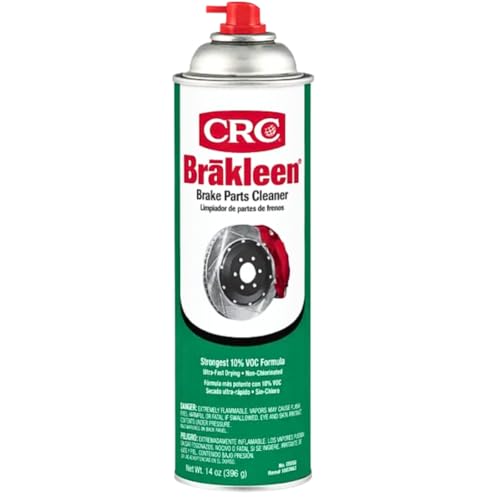
Item Package Dimension: 9.45L x 2.75W x 2.6H inches
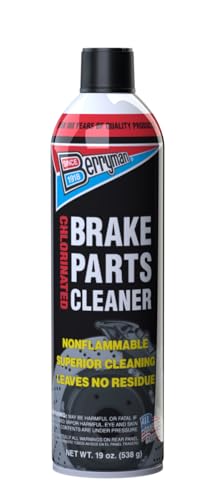
Powerful Brake System Degreaser – Quickly removes brake fluid, grease, oil, and other contaminants from brake components to restore optimal braking performance.
Immediate Effects of Brake Fluid Contact With Paint
Brake fluid is a potent solvent that can quickly damage car paint upon contact. It can strip off the protective wax layer, leading to discoloration or even paint peeling. If not cleaned promptly, brake fluid spills can leave permanent marks on the surface.
Long-Term Damage to Paint by Brake Fluid
Over time, continuous exposure to brake fluid can cause significant harm to your car’s paint job. The chemicals in brake fluid can penetrate deep into the layers of paint, causing it to bubble, crack, or fade. This long-term damage may necessitate costly repainting or touch-up work to restore the vehicle’s aesthetics.
Knowing how brake fluid affects paint allows you to take proactive measures to prevent accidental spills and protect your car’s exterior finish. Regularly inspecting your vehicle for leaks and cleaning up any spills immediately can help preserve the integrity of the paintwork and maintain its visual appeal over time.
Preventative Measures to Protect Paint From Brake Fluid
When it comes to safeguarding your vehicle’s paint from the potential damage caused by brake fluid, there are some practical steps you can take. Here are some preventative measures that can help you maintain your car’s exterior finish.
Recommended Products
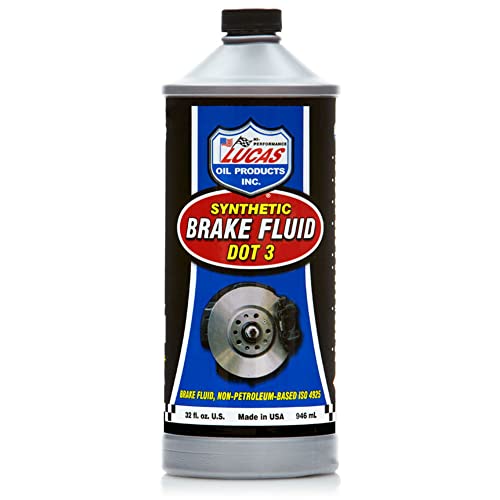
High quality blend of polyethylene glycol ethers and additives

Provides an extra margin of safety in extreme braking conditions (packaging may vary)

Best Practices for Handling Brake Fluid
- Use Protective Gear: When working with brake fluid, ensure you wear gloves and protective clothing to prevent skin contact.
- Clean Work Area: Before handling brake fluid, make sure your work area is clean and free of any debris that could contaminate the fluid.
- Avoid Spills: Be cautious when pouring or filling brake fluid to prevent spills on your vehicle’s painted surfaces.
- Immediate Cleanup: If any brake fluid spills on the paint, immediately rinse the affected area with water to dilute and remove the fluid.
- Regular Inspections: Check your vehicle regularly for any signs of brake fluid leaks to address them promptly and prevent prolonged exposure to paint.
- Act Quickly: If brake fluid comes into contact with the paint, don’t delay cleaning it up as it can cause damage if left unattended.
- Rinse Thoroughly: Use water or a gentle car wash soap to rinse off the affected area and remove any traces of brake fluid.
- Avoid Rubbing: Do not rub the paint vigorously as it may worsen the damage; instead, gently pat or blot the area dry after rinsing.
- Inspect for Damage: Once cleaned, inspect the paint surface for any discoloration or damage caused by the brake fluid.
- Apply Wax or Sealant: After ensuring the area is clean and dry, consider applying a wax or sealant to protect and restore the paint’s finish.
By following these preventative measures and quick response actions, you can effectively protect your vehicle’s paint from potential harm due to brake fluid exposure. Regular maintenance and proactive care will help preserve your car’s exterior appearance in top condition over time.
Repairing Paint Damage Caused by Brake Fluid
If your vehicle’s paint has been damaged by brake fluid, here’s how you can assess the extent of the damage and follow a step-by-step repair process to restore the affected areas.
Recommended Products

The Brake bleeder kit comes with 12 adapters that can be used compatible with SHIMANO, TEKTRO, MAGURA, TRP and other mineral fluid hydraulic brake systems, can meet the oil filling needs of most brake models in the market

Test the car brake fluid quality quickly to check whether it’s qualified, which can remind you to change the brake fluid when necessary to avoid traffic accident

Specially formulated hydraulic brake fluid that provides superior benefits
Assessment of Paint Damage
To assess paint damage caused by brake fluid, start by examining the affected area for signs such as discoloration, peeling, bubbling, or fading. Here’s a simple guide to help you evaluate the extent of the damage:
- Discoloration: Look for any changes in color on the painted surface where the brake fluid came into contact.
- Peeling: Check if there are any sections where the paint appears to be lifting off or peeling away.
- Bubbling: Inspect for bubbles forming beneath the paint layer due to brake fluid penetration.
- Fading: Note any areas where the paint color has faded or lost its vibrancy.
By carefully assessing these indicators, you can determine how severe the paint damage is and plan your repair approach accordingly.
Step-by-Step Repair Processes
Once you’ve evaluated the damage caused by brake fluid on your vehicle’s paint, follow these step-by-step processes to repair it effectively:
- Cleanse The Area: Begin by thoroughly cleaning the affected area with a mild soap and water solution to remove any residual brake fluid and dirt.
- Sand The Surface: Gently sand down the damaged area using fine-grit sandpaper until it feels smooth and level with the surrounding undamaged paint.
- Apply Primer: Use an automotive primer suitable for your vehicle’s paint type to prime the sanded area before applying new paint.
- Paint Matching: Choose a high-quality automotive touch-up paint that matches your vehicle’s original color and apply it evenly over the primed surface.
- Allow Drying Time: Follow manufacturer instructions regarding drying times between coats to ensure proper adhesion and finish durability.
- Sealant Application: Once satisfied with the new paint application, consider sealing it with a clear coat sealant for added protection against future damage.
Following these systematic steps will help you repair and restore your vehicle’s paint damaged by brake fluid effectively, maintaining its appearance and protecting it from further harm in the future.
Conclusion
You now understand the potential harm brake fluid can cause to your car’s paint. By staying vigilant with inspections and quick spill cleanups, you can protect your vehicle’s exterior. In case of damage, following the outlined steps for assessing and repairing paint can help restore its appearance and shield it from further issues. Remember, a little maintenance goes a long way in preserving your car’s sleek look.
Frequently Asked Questions
Can glycol-based and silicone-based brake fluids damage automotive paint?
Yes, glycol-based and silicone-based brake fluids like DOT 3, DOT 4, and DOT 5 can damage automotive paint if spilled or leaked onto the surface.
What preventive measures should be taken to protect automotive paint from brake fluid damage?
Regular inspections for leaks, immediate cleanup of spills, and using protective barriers like mats or towels can help prevent brake fluid from damaging automotive paint.
How can I assess and repair paint damage caused by brake fluid?
Assessing discoloration, peeling, bubbling, or fading; cleansing the area; sanding the affected surface; priming before painting; and sealing afterward are key steps in repairing paint damaged by brake fluid.
Why is it important to promptly address any paint damage caused by brake fluid?
Promptly addressing paint damage caused by brake fluid helps maintain the vehicle’s appearance and prevents further deterioration of the affected area.
