

Have you ever found stubborn brake fluid stains on your driveway that just won’t budge? Picture this: You step outside, only to be met with unsightly marks tarnishing your otherwise pristine pavement. It’s frustrating, isn’t it?
Key Takeaways
- Brake fluid stains on driveways are challenging to remove due to their chemical composition and adhesive properties.
- When preparing to clean brake fluid off a driveway, ensure you have protective gear, absorbent materials, cleaning solutions, and scrubbing tools.
- Assess the size of the stain, duration of exposure, and surface material before starting the cleaning process.
- Home remedies like vinegar, baking soda paste, and dish soap can be effective in removing brake fluid stains from driveways.
- Commercial cleaners containing degreasers or solvents are also useful for tough brake fluid stains on driveways.
- To prevent future spills, conduct routine maintenance checks on your vehicle’s braking system and take immediate action post-spill using absorbent materials and cleaning solutions.
Understanding Brake Fluid Spills
Brake fluid is a vital component of your vehicle’s braking system, responsible for transferring force into pressure to facilitate braking. It’s usually clear or slightly yellow and has a slick texture. When spilled on your driveway, brake fluid can leave unsightly stains that are notoriously challenging to remove.
What Is Brake Fluid?
Brake fluid is a hydraulic fluid specially formulated to withstand high temperatures and pressure within the braking system. It operates under extreme conditions without compressing, ensuring efficient transfer of force from the brake pedal to the brakes themselves. This essential liquid plays a crucial role in ensuring your vehicle stops when needed.
Why It’s Challenging to Remove
The difficulty in cleaning brake fluid spills stems from its chemical composition. Brake fluid contains glycol ethers or diethylene glycol, which are known for their adhesive properties and ability to penetrate surfaces quickly. These components make brake fluid stubborn and resistant to conventional cleaning methods like soap and water alone. As a result, immediate action is necessary when dealing with brake fluid spills on your driveway to prevent lasting damage.
By understanding the nature of brake fluid and why it poses challenges during cleanup, you’ll be better equipped to tackle any spills effectively on your driveway.
Preparing to Clean the Driveway
Before you tackle the task of removing brake fluid stains from your driveway, it’s essential to prepare adequately. Here are some key steps to ensure a successful cleaning process.
Recommended Products
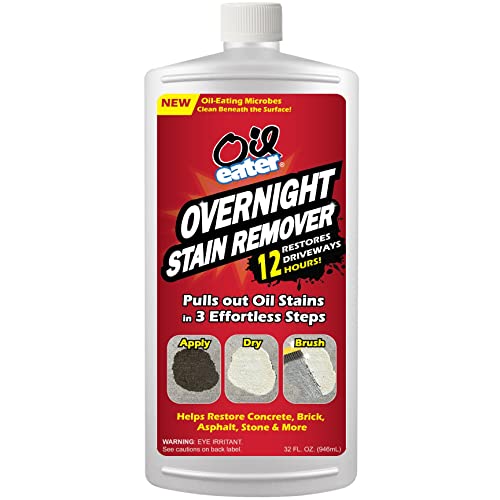
POWERFUL OIL STAIN REMOVER - oil-eating microbes clean deep beneath the surface to remove oil stains on hard & porous surfaces like concrete, asphalt, brick & stone. Works great on all types of oil, grease and petroleum-based automotive leaks.

Provides an extra margin of safety in extreme braking conditions (packaging may vary)
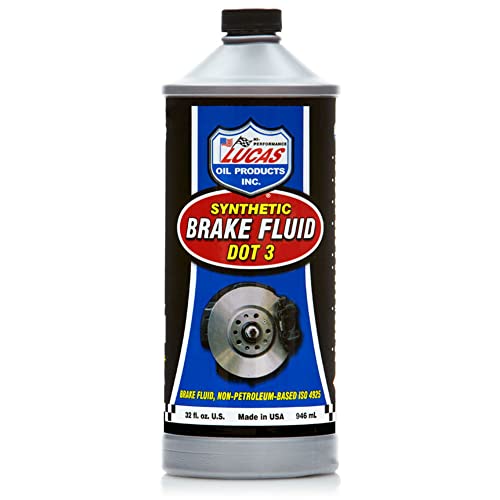
High quality blend of polyethylene glycol ethers and additives
Safety First: What You’ll Need
To begin, gather the necessary supplies for safely cleaning the brake fluid off your driveway. Here’s a list of items you’ll need:
- Protective gear: Wear gloves and safety goggles to shield your skin and eyes from any chemicals.
- Absorbent materials: Grab some cat litter, baking soda, or sawdust to help absorb the spilled brake fluid.
- Cleaning solution: Have a degreaser or dish soap on hand to clean the affected area thoroughly.
- Scrubbing tools: Use a stiff brush or scrubbing pad to scrub away the stubborn stain effectively.
Assessing the Stain
Before diving into cleaning, take a moment to assess the extent of the brake fluid stain on your driveway. Consider these factors:
- Size of the stain: Determine how large an area has been affected by the spill.
- Duration of exposure: Note how long the brake fluid has been sitting on your driveway.
- Surface material: Check if your driveway is made of concrete, asphalt, or another material as different surfaces may require specific cleaning methods.
By preparing yourself with these essentials and evaluating the situation beforehand, you’ll be ready to tackle those pesky brake fluid stains head-on.
Cleaning Techniques
When it comes to cleaning brake fluid off your driveway, there are various effective methods you can use. Below are some techniques that can help you tackle those stubborn stains.
Recommended Products
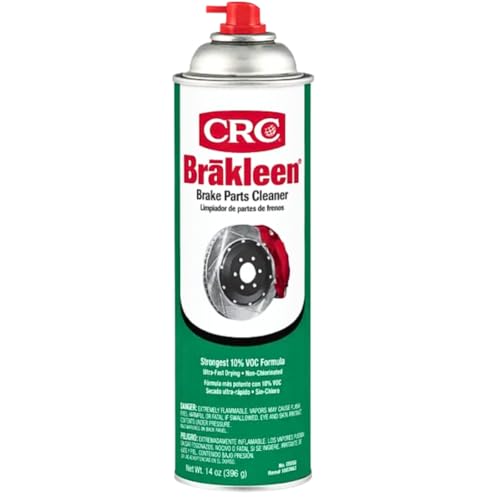
Item Package Dimension: 9.45L x 2.75W x 2.6H inches
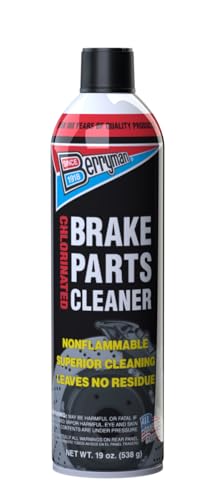
Powerful Brake System Degreaser – Quickly removes brake fluid, grease, oil, and other contaminants from brake components to restore optimal braking performance.

Using Home Remedies
Home remedies can be a cost-effective and eco-friendly way to clean brake fluid stains from your driveway. Here are a few common household items that you can use:
- Vinegar: Mix equal parts of vinegar and water, then apply it directly to the stain. Let it sit for a few minutes before scrubbing with a brush.
- Baking Soda: Make a paste using baking soda and water, then spread it over the stain. Allow it to sit for about 30 minutes before scrubbing the area.
- Dish Soap: Dilute dish soap in water and pour it over the stain. Use a brush or cloth to scrub the area gently.
These home remedies are gentle on your driveway while still being effective at removing brake fluid stains.
Commercial Cleaners: What Works Best
If home remedies don’t do the trick, commercial cleaners specifically designed for removing tough stains like brake fluid can be very effective. When choosing a commercial cleaner, look for products that contain degreasers or solvents tailored for this purpose.
Here are some popular commercial cleaners that work well on brake fluid stains:
- Oil Eater Cleaner Degreaser: This powerful cleaner is known for its ability to break down oil and grease stains effectively.
- Simple Green Concrete and Driveway Cleaner: Specifically formulated for concrete surfaces, this cleaner is great at lifting stubborn stains without damaging the surface.
- Purple Power Industrial Strength Cleaner & Degreaser: A heavy-duty cleaner suitable for removing tough grease and oil-based stains from driveways.
Before using any commercial cleaner, make sure to read the instructions carefully and test it on a small inconspicuous area of your driveway first to ensure compatibility with your surface material.
By utilizing these cleaning techniques, you can effectively rid your driveway of unsightly brake fluid stains and maintain its pristine appearance.
Preventative Measures for Future Spills
To prevent future brake fluid spills on your driveway, you can implement the following preventative measures:
Recommended Products

Specially formulated hydraulic brake fluid that provides superior benefits

Formulated To Quickly & Effectively Remove Grease, Brake Dust, Brake Fluids, Oils, & Other Contaminants From Brake Parts, Lining, Pads

Helps provide protection against brake failure from vapor lock
Routine Maintenance Checks
Regularly inspecting your vehicle’s braking system can help you identify potential leaks early on. Here’s what you can do:
- Visual Inspections: Check under your car for any signs of brake fluid leaks. Look for puddles or wet spots near the wheels.
- Brake Fluid Levels: Monitor your brake fluid levels regularly to ensure they are within the recommended range.
- Brake Line Integrity: Examine the brake lines for any signs of wear or damage that could lead to leaks.
By incorporating these routine maintenance checks into your vehicle care regimen, you can catch potential issues before they escalate and prevent damaging spills on your driveway.
Immediate Actions Post-Spill
In the event of a brake fluid spill on your driveway, taking immediate action is crucial. Follow these steps to minimize the impact:
- Absorbent Materials: Keep absorbent materials like kitty litter or sawdust handy to quickly soak up fresh spills and prevent them from seeping into the concrete.
- Rinsing with Water: Use a hose to rinse off the affected area with water as soon as possible. This helps dilute the brake fluid and reduce its ability to stain.
- Cleaning Solutions: Prepare a cleaning solution using dish soap and water or a commercial degreaser specifically designed for removing oil-based stains. Scrub the affected area gently to lift off any remaining residue.
By promptly addressing brake fluid spills with these immediate actions, you can mitigate their impact on your driveway and maintain its cleanliness.
Conclusion
You’ve learned valuable insights on tackling brake fluid stains from your driveway effectively. Taking immediate action, understanding the spill’s nature, and using the right cleaning techniques are key. Remember to prioritize safety, gather necessary materials, and assess the stain before treatment. By following preventative measures like regular vehicle maintenance and quick spill responses, you can maintain a spotless driveway. With these tips in mind, you’ll be well-equipped to handle brake fluid spills with ease and keep your driveway looking pristine.
Frequently Asked Questions
What makes brake fluid stains so stubborn?
Brake fluid contains chemicals that can penetrate and bond with porous surfaces like concrete, making the stains difficult to remove.
Why is immediate action crucial when dealing with brake fluid spills?
Immediate action prevents the fluid from seeping deeper into the surface, making it easier to clean and reducing the chances of a permanent stain.
What safety precautions should I take when cleaning brake fluid stains?
Wear protective gear like gloves and goggles, work in a well-ventilated area, and avoid mixing cleaning agents to prevent harmful reactions.
Can household items be used to clean brake fluid stains?
Yes, items like baking soda, dish soap, or white vinegar can help break down the stain before using commercial cleaners for tougher spots.
How can I prevent future brake fluid spills on my driveway?
Regularly inspect your vehicle’s braking system for leaks or issues, address them promptly, and have absorbent materials ready in case of a spill.
