

Ever wondered about the often overlooked yet crucial component of your car’s maintenance routine? How frequently should you really be changing your car’s brake fluid? Picture this: you’re cruising down the road, and suddenly, you need to make a quick stop. Your brakes feel spongy, and you start to question when was the last time you had your brake fluid checked. Don’t fret; in this article, we’ll guide you on the optimal frequency for changing your car’s brake fluid.
Regular maintenance of your brake system is not just about ensuring safety but also about prolonging the lifespan of your vehicle. By understanding how often to change your brake fluid, you can prevent potential issues like brake failure and costly repairs down the line. Stay tuned as we break down the importance of this simple yet critical aspect of car care.
Key Takeaways
- Regularly changing your car’s brake fluid is crucial for maintaining safety and extending your vehicle’s lifespan.
- Factors like driving habits, climate conditions, vehicle usage, brake system design, and fluid quality inspection influence the frequency of brake fluid changes.
- Signs that indicate your brake fluid needs changing include color change, clarity issues, fluid level drop, soft brake pedal, squealing brakes, and increased stopping distance.
- Changing brake fluid involves extracting old fluid, filling with new recommended fluid, bleeding brakes starting from the farthest wheel from the master cylinder.
Understanding Brake Fluid and Its Role
Brake fluid is a hydraulic fluid responsible for transmitting force from the brake pedal to the braking components, such as the calipers and wheel cylinders. It plays a critical role in ensuring your vehicle can stop effectively when you press the brake pedal.
What Is Brake Fluid?
Brake fluid is a specially formulated liquid that operates under high temperatures and pressures within your car’s braking system. It doesn’t compress, allowing it to transfer force efficiently from the brake pedal to the brakes themselves.
Why Brake Fluid Is Critical for Vehicle Safety
Brake fluid ensures that when you press your foot on the brake pedal, your vehicle stops promptly. Without proper brake fluid levels or if it’s old and contaminated, your brakes may not function correctly, leading to potential safety hazards like reduced stopping power or even complete brake failure. Regularly changing your car’s brake fluid according to manufacturer recommendations is crucial for maintaining optimal braking performance and ensuring your safety on the road.
How Often Should Car Brake Fluid Be Changed?
Ensuring your car’s brake fluid is changed regularly is crucial for maintaining safety and extending your vehicle’s lifespan. Brake fluid plays a vital role in transmitting force from the brake pedal to the braking components, ensuring efficient stopping power. Neglecting proper maintenance of brake fluid levels or allowing contamination can result in safety hazards such as reduced stopping capability or even brake failure. Adhering to the manufacturer’s recommendations for changing brake fluid is essential for optimal braking performance and overall road safety.
Recommended Products

UNIVERSAL BLEEDING KIT: Orion Motor Tech's brake bleeding vacuum pump with an adapter set works with nearly any vehicle's system and lets you bleed your brakes, clutch, or any other vehicular hydraulic system in under 5 minutes all by yourself

Complete Kit: The brake system bleeding tools contain 2*6.02" long inlet hose, 2*13.77" long outlet hose, 2*check valve, 4*0.24" ID small clamps, 2*0.31" ID large clamps, 6*bleeder screw caps. Fit for hydraulic brakes on most motorcycles, cars, and bikes

Specifications: The Brake Bleeder bottles can simply drain old brake fluid, rubber joints fit most bleeding screws, 60 cm (24 in) hose and chain with hooks to hold in place while collecting old brake fluid
General Recommendations
When it comes to how often you should change your car’s brake fluid, a general rule of thumb is every two years. However, this timeline can vary depending on several factors that influence the frequency of brake fluid changes.
- Driving Habits: If you frequently drive in stop-and-go traffic or engage in heavy braking, your brake system works harder, causing the fluid to deteriorate faster. In such cases, consider changing the brake fluid more frequently than recommended.
- Climate Conditions: Extreme temperatures can impact the condition of your brake fluid. Hot weather may cause the liquid to break down quicker, while cold temperatures can lead to moisture accumulation within the system. Adjust your change intervals accordingly based on your climate.
- Vehicle Usage: The mileage you put on your car also affects how often you should change the brake fluid. High-mileage vehicles may require more frequent changes due to prolonged use and wear on the braking system.
- Brake System Design: Some vehicles have different braking systems that may necessitate more frequent changes. For instance, cars with anti-lock braking systems (ABS) might require more regular maintenance compared to those without ABS.
- Fluid Quality Inspection: Regularly check the color and clarity of your brake fluid using a test strip or visually inspecting it through its reservoir. If you notice darkening or contamination, it’s advisable to replace the fluid promptly regardless of elapsed time since the last change.
By understanding these influencing factors and staying proactive in monitoring your car’s brake system health, you’ll be better equipped to determine how often you should change your vehicle’s brake fluid for optimal performance and safety on the road.
Signs That Your Brake Fluid Needs Changing
When it comes to your car’s brake fluid, being proactive is key. By paying attention to certain signs, you can determine when it’s time for a change. Here are some indicators that your brake fluid may need changing:
Visual Inspection of Brake Fluid
- Color Change: Check the color of your brake fluid. Fresh brake fluid is usually clear or slightly yellow. If you notice a darker shade like brown or black, it could indicate contamination and the need for a change.
- Clarity: Brake fluid should be transparent without any particles floating in it. If you see sediments or cloudiness in the fluid, it’s a sign that contaminants have entered, affecting its performance.
- Fluid Level: Ensure the brake fluid level is within the recommended range on the reservoir. A sudden drop in levels could signal a leak or excessive wear in the braking system.
- Soft Brake Pedal: If you find that your brake pedal feels spongy or sinks to the floor more than usual, this could indicate air or moisture in the brake lines due to old or contaminated fluid.
- Squealing Brakes: Unusual noises like squealing or squeaking when applying brakes can be a sign of worn-out brake pads. However, old brake fluid can also contribute to this issue by causing improper lubrication.
- Increased Stopping Distance: If you notice that your vehicle takes longer to come to a complete stop than usual, it might be due to degraded brake fluid affecting the efficiency of the braking system.
Keeping an eye out for these signs and addressing them promptly can help maintain optimal braking performance and ensure your safety on the road.
How to Change Brake Fluid
Changing your car’s brake fluid is a crucial maintenance task that ensures optimal braking performance and safety on the road. Below are the necessary tools and materials you’ll need, as well as a step-by-step guide to help you through the process.
Recommended Products
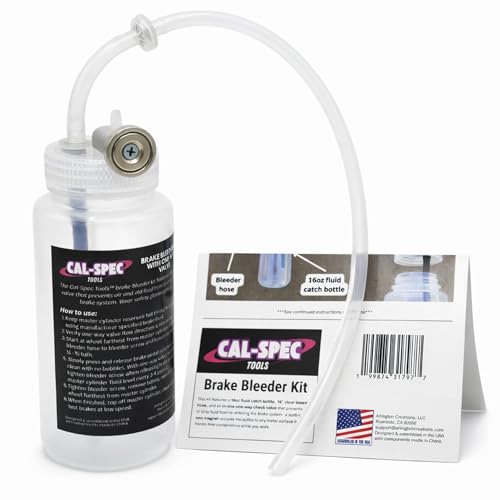
Cal-Spec Tools Brake Bleeder Kit - No need to close the bleeder before releasing the pedal, no spilled dirty fluid on the floor, and no dripping hoses when you’re done. This kit eliminates the mess and hassle from brake bleeding.

Efficient Brake Maintenance: The Mission Automotive One-Man Brake Bleeder Kit simplifies brake system maintenance for cars and motorcycles. This indispensable brake fluid bleeder kit features an intuitive design for seamless operation

Complete Brake Bleeding Kit: Includes a 100ml syringe, 19.7in hose, pressure clamp, connector, valve, 2 x 14.17in hoses, 3 clamps, 2 pressure relief caps (M6/M8/M10/M12), and 5 adjustable port adapters — everything you need for a full brake and clutch fluid replacement
Necessary Tools and Materials
To change your brake fluid, you will need the following:
- New brake fluid recommended by your vehicle’s manufacturer.
- Turkey baster or syringe for extracting old brake fluid.
- Wrench for loosening bleeder valves.
- Clear plastic tubing to connect to the bleeder valve.
- Container to collect old brake fluid.
- Clean rags for wiping any spills.
Step-by-Step Guide to Changing Brake Fluid
Follow these steps to change your car’s brake fluid:
- Prepare Your Vehicle: Park on a level surface and engage the parking brake. Ensure the engine is cool before starting.
- Locate the Brake Fluid Reservoir: It’s usually located near the back of the engine bay, labeled with “brake fluid.”
- Extract Old Fluid: Use a turkey baster or syringe to remove as much old brake fluid from the reservoir as possible without letting air enter the system.
- Fill Reservoir with New Fluid: Add new brake fluid until it reaches the maximum fill line indicated on the reservoir.
- Bleed Brakes: Starting from the wheel farthest from the master cylinder, use a wrench to open each bleeder valve slightly while having someone press down on the brake pedal slowly. Repeat this process until clean fluid flows out without air bubbles.
- Check Brake Fluid Level: Ensure it’s at an appropriate level and top up if needed with new fluid.
By following these simple steps, you can effectively change your car’s brake fluid and maintain optimal braking performance for safe driving experiences.
Choosing the Right Brake Fluid
When it comes to selecting the right brake fluid for your car, there are a few key considerations to keep in mind. Understanding the types of brake fluid available and factors that influence your choice can help ensure optimal performance and safety for your vehicle.
Recommended Products

Mixes well with conventional fluids

Brake Fluid DOT 4 – Reliable Performance: STP Synthetic DOT 4 brake fluid is designed to help protect brake systems and support consistent braking performance in a wide range of driving conditions

Exceeds DOT 4 regulations: Formulated to meet or surpass DOT 4 requirements, ensuring consistent braking performance and dependable stopping power in all conditionsL3
Types of Brake Fluid
- DOT Ratings: Brake fluids are categorized by Department of Transportation (DOT) ratings, such as DOT 3, DOT 4, and DOT 5. Each type has specific characteristics and boiling points that determine its suitability for different vehicles.
- Compatibility: Check your vehicle’s manual or consult with a mechanic to determine which type of brake fluid is compatible with your car’s braking system. Using an incompatible fluid can lead to damage and decreased braking efficiency.
- Vehicle Requirements: Different vehicles may have specific requirements regarding the type of brake fluid recommended for optimal performance. Always follow manufacturer recommendations.
- Driving Conditions: If you frequently drive in extreme conditions like heavy traffic or mountainous terrain, consider a brake fluid with a higher boiling point to prevent brake fade under intense heat.
- Maintenance Schedule: Regularly changing your brake fluid according to the manufacturer’s guidelines is crucial for maintaining braking performance and preventing moisture buildup that can compromise safety.
By understanding the types of brake fluids available and considering factors like compatibility, vehicle requirements, driving conditions, and maintenance schedules, you can make an informed decision when choosing the right brake fluid for your car.
Conclusion
Ensuring your car’s brake fluid is changed at the recommended intervals plays a crucial role in maintaining your vehicle’s braking efficiency and overall safety on the road. By understanding the factors influencing the frequency of changes and recognizing the signs indicating when it’s time for a change, you can stay proactive in caring for your brakes. Selecting the right brake fluid based on your vehicle’s requirements, driving conditions, and maintenance schedules is key to optimizing performance and ensuring a smooth driving experience. Regular maintenance not only enhances your braking system but also contributes to safer journeys for you and other road users. Remember, taking care of your brake fluid is taking care of yourself on the road.
Frequently Asked Questions
Why is changing brake fluid important?
Brake fluid absorbs moisture over time, leading to decreased braking performance and potential safety hazards. Regular changes prevent these issues.
How often should brake fluid be changed?
Brake fluid should typically be changed every 2 years or as recommended by the vehicle manufacturer to maintain optimal performance.
What are the signs that indicate the need for a brake fluid change?
Signs include a spongy brake pedal, discolored or contaminated fluid, and increased stopping distances.
How do I choose the right brake fluid for my vehicle?
Consider factors such as type of brake fluid (DOT 3, DOT 4, etc.), compatibility with your vehicle, driving conditions, and maintenance schedules when selecting brake fluid.
