

Have you ever wondered when it’s time to replace your brake fluid? Picture this: you’re cruising down the road, and suddenly, you press on the brakes only to find them feeling a bit off. Knowing when to replace your brake fluid is crucial for maintaining your vehicle’s safety and performance.
In this article, we’ll guide you through the signs that indicate it’s time for a brake fluid change. By understanding these signals, you’ll be able to ensure that your brakes operate smoothly and effectively when you need them most. Stay tuned to learn how simple maintenance can make a big difference in your driving experience.
Key Takeaways
- Brake fluid plays a vital role in your vehicle’s braking system by transmitting pressure, providing lubrication, preventing corrosion, and regulating temperature.
- Signs that indicate the need for brake fluid replacement include changes in pedal resistance, strange noises when braking, and dark or discolored fluid upon visual inspection.
- Recommended timelines for brake fluid replacement typically involve following the manufacturer’s guidelines every 2 years or 30,000 miles based on driving conditions and habits.
- To effectively replace brake fluid, gather necessary tools like brake fluid, turkey baster, wrench set, tubing/hose, jack stands, safety gear; follow steps to prepare the vehicle, remove old fluid safely refill with new fluid properly bleed brakes and check for leaks before driving.
Understanding Brake Fluid and Its Role
Brake fluid plays a crucial role in your vehicle’s braking system. It transmits the force you apply on the brake pedal to the brakes at each wheel, allowing you to slow down or stop effectively. Here’s a breakdown of what brake fluid is and its functions:
What Is Brake Fluid?
Brake fluid is a hydraulic fluid specially designed for use in automotive brake systems. It operates under high temperatures and pressure to ensure smooth and consistent braking performance. Most vehicles use either glycol-based (DOT 3, DOT 4) or silicone-based (DOT 5) brake fluids.
- Transmitting Pressure: When you press the brake pedal, brake fluid transfers this force to the braking components, enabling them to engage and slow down your vehicle.
- Lubrication: Brake fluid lubricates moving parts within the braking system, reducing wear and tear on critical components like calipers and pistons.
- Corrosion Prevention: It helps prevent rust and corrosion in the braking system by maintaining a protective barrier on metal surfaces.
- Temperature Regulation: Brake fluid has a high boiling point, which prevents it from vaporizing under extreme heat generated during braking, ensuring consistent performance.
Understanding these functions highlights why monitoring your brake fluid’s condition is vital for safe driving and maintaining optimal brake efficiency. Regular checks can help you identify when it’s time to replace your brake fluid for continued safety on the road.
Signs Your Brake Fluid Needs Replacement
If you want to ensure your vehicle’s safety and performance, pay attention to these signs indicating when it’s time to replace your brake fluid.
Recommended Products

Test the car brake fluid quality quickly to check whether it’s qualified, which can remind you to change the brake fluid when necessary to avoid traffic accident

Durable and Corrosion-Resistant : Featuring a corrosion-resistant probe, this brake fluid tester is designed for long-lasting performance. The durable construction ensures that the tool remains effective over time, even with frequent use, making it a reliable addition to your maintenance toolkit

WIDE RANGE OF APPLICATIONS: The automotive brake fluid tester is a universal device for most vehicles. It can check the condition of DOT-3, DOT-4, DOT-5.1 brake fluids as well as most synthetic brake fluids. It is extremely easy for personal use and is widely used for private workshops, repair shops and car dealerships.
Change in Brake Pedal Resistance
Notice any changes in how your brake pedal feels when you press down on it. If the pedal feels spongy or softer than usual, this could be a sign of air or moisture in the brake lines due to old or contaminated brake fluid.
Strange Noises When Braking
Listen for any unusual noises when you apply the brakes. Squealing, grinding, or squeaking sounds can indicate worn-out brake pads or contaminated brake fluid affecting the braking system’s performance.
Visual Inspection: Color and Consistency
Check the color and consistency of your brake fluid. Fresh brake fluid is usually clear or slightly yellowish. If you notice dark brown or black-colored fluid, it may be time for a replacement as discoloration indicates contamination or age-related degradation that can compromise braking efficiency.
Regularly monitoring these signs will help you identify when it’s necessary to replace your brake fluid for optimal safety and performance on the road.
Recommended Timeline for Brake Fluid Replacement
When it comes to maintaining your vehicle’s brake system, staying on top of brake fluid replacement is crucial. Here’s a breakdown of the recommended timeline and factors to consider:
Recommended Products

Built-in calibration, accurate detection of DOT3/4/5.1:FT01 brake fluid tester has an accuracy of up to ±0.3% and a detection range of 0% - 4%.It has a built-in calibration resistor,can detect DOT3,DOT4,and DOT5.1 fluids.

Premium brake and hydraulic clutch fluid that protects internal components from corrosion under normal use
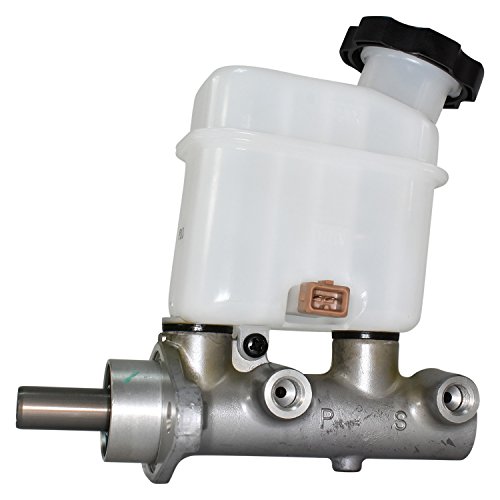
New Mando OE Brake Master Cylinder
Manufacturer’s Recommendations
Follow your vehicle manufacturer’s guidelines regarding brake fluid replacement. Typically, it is advised to change the brake fluid every 2 years or every 30,000 miles, whichever comes first. These recommendations may vary based on the make and model of your car, so always refer to the owner’s manual for specific instructions.
Impact of Driving Conditions and Habits
Your driving conditions and habits can also influence how often you should replace your brake fluid. If you frequently drive in stop-and-go traffic or engage in heavy braking, the brake fluid deteriorates faster due to increased heat buildup. In such cases, consider more frequent inspections and replacements to ensure optimal braking performance.
By adhering to both manufacturer recommendations and considering your driving conditions, you’ll be better equipped to determine when it’s time for a brake fluid replacement. Regular maintenance plays a vital role in keeping your brakes functioning effectively and ensuring your safety on the road.
How to Replace Brake Fluid
To replace brake fluid effectively, you’ll need the right tools and follow a step-by-step guide. Here’s what you should know:
Recommended Products

UNIVERSAL BLEEDING KIT: Orion Motor Tech's brake bleeding vacuum pump with an adapter set works with nearly any vehicle's system and lets you bleed your brakes, clutch, or any other vehicular hydraulic system in under 5 minutes all by yourself
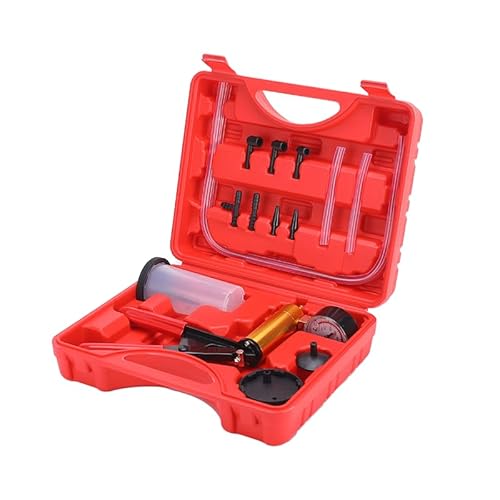
Versatile: Hand vacuum pump kit comes with a vacuum gauge to help you take accurate readings. Pressure range: 0-30 inches Hg, 0-760 mmHg. It includes accessories for brake bleeding and automotive diagnostics. The vacuum pump kit can test and diagnose a variety of parts and general systems on bikes motorcycles trucks pickups or any other vehicle.
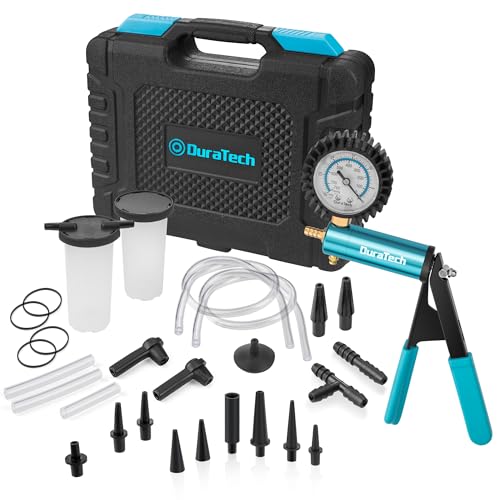
The vacuum pump is made of high-quality aluminum alloy materials, which are wear-resistant and built for long-term use.
Tools and Materials Needed
- Brake Fluid: Ensure you have the correct type of brake fluid recommended for your vehicle.
- Turkey Baster or Syringe: Used to remove the old brake fluid from the reservoir.
- Wrench or Socket Set: To loosen the bleeder valve when bleeding the brakes.
- Clear Tubing/Hose: Helps in collecting the old brake fluid when bleeding the brakes.
- Jack and Jack Stands: Necessary for raising your vehicle safely.
- Clean Cloth/Rags: For wiping any spills or cleaning parts during the process.
- Safety Glasses and Gloves: Protect yourself from contact with brake fluid, which can be harmful to your skin and eyes.
- Prepare Your Vehicle:
- Park on a flat surface and engage the parking brake.
- Open your car’s hood and locate the brake fluid reservoir typically near the firewall in the engine bay.
- Remove Old Brake Fluid:
- Use a turkey baster or syringe to extract as much old brake fluid as possible from the reservoir.
- Be careful not to spill any on your car’s paint, as it can damage it.
- Refill with New Brake Fluid:
- Fill up the reservoir with new, clean brake fluid up to the maximum level indicated.
- Ensure you’re using fresh brake fluid from an unopened container to maintain its effectiveness.
- Bleed Your Brakes:
- Starting at the wheel farthest from the master cylinder (usually rear passenger side), attach clear tubing to bleeder valve.
- Have someone press down on the brake pedal while you open and close each bleeder valve until clear fluid without air bubbles flows through.
- Check Brake Pedal Feel:
- After bleeding all four brakes, ensure there is no sponginess in your pedal by pressing it gently several times.
- Final Checks:
- Wipe off any spilled fluids, check for leaks around connections, and confirm that your brake pedal feels firm before driving.
Conclusion
Ensuring your brake fluid is in top condition is crucial for safe driving and optimal brake performance. By recognizing the signs that indicate when it’s time to replace your brake fluid and following the recommended maintenance schedule, you can maintain effective braking capabilities. Remember to refer to the manufacturer’s guidelines for specific intervals. By regularly replacing your brake fluid, you’re taking a proactive step towards road safety and ensuring your vehicle operates at its best. Keep up with proper maintenance practices to enjoy smooth and reliable braking on all your journeys.
Frequently Asked Questions
Why is monitoring brake fluid important?
Brake fluid plays a crucial role in transmitting pressure, lubricating components, preventing corrosion, and regulating temperature within the braking system. Monitoring it ensures optimal brake performance and safe driving.
How often should brake fluid be replaced?
It is recommended to follow the manufacturer’s guidelines for replacing brake fluid, typically every 2 years or 30,000 miles. Regular replacement helps maintain the effectiveness of the braking system.
What are signs indicating the need for brake fluid replacement?
Signs such as a spongy brake pedal, illuminated dashboard warning lights related to brakes, or visible contaminants in the brake fluid indicate the need for prompt replacement.
Can I replace my own brake fluid?
Yes, you can replace your own brake fluid by following a step-by-step guide that includes gathering necessary tools and materials, preparing the vehicle, removing old fluid, refilling with new fluid, bleeding brakes, checking pedal feel, and conducting final checks before driving.
