

Ever wondered if steering fluid is the same as brake fluid? Picture this: you’re about to top up your car’s fluids, and you pause, pondering whether these two crucial liquids are interchangeable. Understanding the distinction between steering fluid and brake fluid is vital for your vehicle’s maintenance.
In this article, we’ll break down the differences between steering fluid and brake fluid in simple terms. By clarifying this common confusion, you’ll gain confidence in performing basic car maintenance tasks correctly. Let’s explore how knowing the variances between these fluids can help you keep your vehicle running smoothly and safely.
Key Takeaways
- Understanding the differences between steering fluid and brake fluid is crucial for proper vehicle maintenance.
- Steering fluid, also known as power steering fluid, aids in making steering easier by reducing effort needed to turn the wheel.
- Brake fluid is essential for safe braking, transferring force from the brake pedal to stop the vehicle efficiently.
- Using the wrong fluid in your car can lead to significant performance issues and costly repairs.
- Always refer to your vehicle’s manual or consult a professional mechanic to ensure you’re using the correct fluids for each specific system.
Understanding Vehicle Fluids
Vehicle fluids play a crucial role in the proper functioning of your car. Let’s delve into the types of fluids your vehicle needs and why they are essential for its operations.
Types of Vehicle Fluids
Your vehicle relies on various fluids to operate efficiently. The primary types of fluids include:
- Engine Oil: Lubricates the engine parts, reducing friction and heat.
- Coolant: Regulates the engine temperature to prevent overheating.
- Transmission Fluid: Facilitates smooth gear shifting in automatic transmissions.
- Power Steering Fluid: Aids in steering control by reducing effort needed to turn the wheel.
- Brake Fluid: Transfers force from the brake pedal to stop the vehicle.
Importance of Specific Fluids for Vehicle Operations
Each fluid serves a distinct purpose in keeping your vehicle running smoothly. Here’s why specific fluids are vital for your car:
- Engine oil prevents wear and tear on engine components, extending their lifespan.
- Coolant regulates temperature, preventing engine overheating that can lead to costly repairs.
- Transmission fluid ensures seamless gear changes, enhancing driving performance.
- Power steering fluid makes steering effortless, improving overall handling and control.
- Brake fluid is crucial for safe braking, as it transmits force from your foot on the brake pedal to the wheels.
Maintaining these fluids at optimal levels is essential for prolonging your vehicle’s lifespan and ensuring safe operation on the road. Regularly check and top up these fluids according to your manufacturer’s recommendations to keep your car running smoothly.
Is Steering Fluid the Same as Brake Fluid?
When it comes to your vehicle’s fluids, understanding the differences between steering fluid and brake fluid is crucial for proper maintenance. Let’s explore the composition of these fluids, their functions, and properties to help you keep your car running smoothly and safely.
Recommended Products

The service solution for ALL European, North American, and Asian vehicles (Honda fluid recommended for Honda/Acura vehicles)

Superior quality, universal hydraulic fluid designed to mix with all hydraulic fluids in power trim and steering systems

Engineered Stop Leak Protection: Specially formulated to condition and rejuvenate worn seals, helping stop existing leaks and preventing future fluid loss for smoother steering performance
Composition of Steering Fluid
Steering fluid, commonly known as power steering fluid, is designed specifically for power steering systems. It’s a hydraulic fluid that transmits power in hydraulic systems to make steering easier. This fluid is formulated with additives to prevent corrosion and wear in the system while providing lubrication for smooth operation.
Composition of Brake Fluid
On the other hand, brake fluid is a hydraulic medium used in braking systems to transfer force under pressure when you press the brake pedal. It operates under high temperatures generated during braking. Most brake fluids are glycol-ether based or silicone-based, with specific formulations that ensure consistent performance even at extreme conditions.
Comparing Functions and Properties
While both steering fluid and brake fluid are hydraulic fluids used in automotive systems, they serve distinct purposes. Steering fluid aids in power steering assistance by reducing effort when turning the wheel, enhancing maneuverability. In contrast, brake fluid plays a critical role in transferring force from your foot on the brake pedal to stop the vehicle efficiently.
In terms of properties, steering fluid focuses on lubricating components within the power steering system to reduce friction and wear. It also helps maintain seals’ integrity and prevents leaks. On the other hand, brake fluid prioritizes high boiling points to withstand intense heat generated during braking without vaporizing or compromising braking performance.
Understanding these variations between steering fluid and brake fluid ensures you use the right products for each system in your vehicle. Regularly checking these fluids’ levels according to manufacturer guidelines will help maintain optimal performance and safety on the road.
Risks of Using the Wrong Fluid
When it comes to vehicle maintenance, using the correct fluids is crucial for optimal performance and safety. Here are some risks associated with using the wrong fluid in your car:
Recommended Products
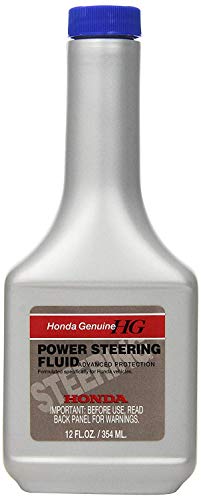
Fits all Honda models

50,000 mile fluid life

The exact Original Equipment Manufacturer fluid that your vehicle came with; helps stop squeals while preventing corrosion, oxidation and wear
Impact on Vehicle Performance
Using the wrong fluid, such as mistakenly adding steering fluid instead of brake fluid or vice versa, can have a significant impact on your vehicle’s performance.
- Steering Issues: Putting brake fluid in your power steering system can lead to difficulty in turning the wheel smoothly. The incorrect fluid may not provide adequate lubrication or hydraulic pressure needed for proper steering function.
- Braking Problems: On the other hand, if you use power steering fluid in your brake system, it can compromise your ability to stop effectively. Brake systems require specific types of hydraulic fluids with precise boiling points and viscosity levels to ensure reliable braking performance.
Potential Damages and Repair Costs
Using the wrong fluid in critical systems like power steering or brakes can result in severe damages that may lead to costly repairs.
- Component Damage: The components within these systems are designed to work with specific types of fluids. Introducing an incompatible fluid can cause corrosion, seal damage, or even failure of essential parts.
- Repair Expenses: Repairing damages caused by using the wrong fluid can quickly add up. You might need to replace expensive components like pumps, cylinders, or lines, increasing repair costs significantly.
By understanding the risks associated with using the wrong fluids in your vehicle and ensuring you use the correct ones as recommended by the manufacturer, you can avoid potential performance issues and costly repairs down the road.
Expert Insights
When it comes to vehicle maintenance, using the correct fluids is crucial for optimal performance and safety. Let’s explore what experts recommend regarding steering fluid and brake fluid.
Mechanic Recommendations
- Mechanics advise against interchangeably using steering fluid and brake fluid in your vehicle. These fluids serve distinct purposes within the car’s systems.
- Mixing up these fluids can lead to serious issues like compromised steering control or braking efficiency, which can pose significant safety risks.
- Always refer to your vehicle’s manual or consult a professional mechanic to ensure you’re using the right fluid for each specific system.
- Following industry standards is essential when it comes to selecting and utilizing different types of fluids in your vehicle.
- Manufacturers set specific guidelines for the type of steering fluid and brake fluid compatible with your car model, emphasizing the importance of adhering to these recommendations.
- By sticking to industry standards and using the designated fluids, you can maintain your vehicle’s performance, prolong its lifespan, and avoid costly repairs down the road.
Conclusion
Understanding the distinctions between steering fluid and brake fluid is crucial for your vehicle’s health. Using the correct fluid for each system is vital to ensure optimal performance and safety. Remember, these fluids have specific roles that should not be swapped. Mixing them up can lead to serious consequences, affecting your ability to steer or brake effectively. By adhering to industry standards and manufacturer recommendations when selecting and utilizing these fluids, you can maintain your car’s efficiency, extend its lifespan, and prevent costly repairs down the road. Take care of your vehicle by using the right fluids in the right places – it’s a small effort that goes a long way in keeping you safe on the road.
Frequently Asked Questions
What are the different types of vehicle fluids discussed in the article?
The article covers engine oil, coolant, transmission fluid, power steering fluid, and brake fluid.
Why is it important to use the correct vehicle fluids?
Using the right fluids ensures optimal performance and safety by maintaining proper functioning of various car systems.
Can steering fluid and brake fluid be interchanged?
No, experts advise against interchanging these fluids as they serve distinct purposes. Mixing them can lead to safety risks.
What are the risks of mixing up steering fluid and brake fluid?
Mixing these fluids can compromise steering control or braking efficiency, posing significant safety hazards.
How can one avoid issues with vehicle fluids?
Follow industry standards and manufacturer guidelines when selecting and using fluids to maintain performance and prevent costly repairs.
