

Ever wondered what could go wrong if you neglect your car’s brake fluid? Picture this: You’re cruising down the road, and suddenly, you need to hit the brakes. But instead of a smooth stop, there’s a delay, a spongy feeling beneath your foot. It’s a scenario no driver wants to face. That’s why understanding the importance of changing your brake fluid is crucial for your safety on the road.
In this article, we’ll explore the repercussions of overlooking this vital maintenance task. From decreased braking performance to potential safety hazards, not changing your brake fluid can lead to serious consequences. By gaining insight into these effects, you’ll be equipped with the knowledge needed to keep yourself and others safe while driving. Let’s dive into why regular brake fluid changes are more than just routine maintenance—they’re a key aspect of responsible vehicle ownership.
Key Takeaways
- Brake fluid is crucial for efficient braking performance as it transfers force from the brake pedal to the pads.
- Neglecting to change brake fluid can lead to decreased braking efficiency, longer stopping distances, and safety risks.
- Signs of old brake fluid include color changes (darkening), unusual noises while braking, and a soft/spongy pedal feel.
- Regularly changing brake fluid every 2 years or per manufacturer’s guidelines is essential for optimal brake performance.
- Professional maintenance for changing brake fluid offers advantages like expertise, proper equipment, and comprehensive care for the braking system.
Understanding Brake Fluid and Its Role
Brake fluid is a vital component in your vehicle’s braking system. It serves as a hydraulic medium that transfers the force you apply on the brake pedal to the brake pads, enabling your car to slow down or stop efficiently.
What Is Brake Fluid?
Brake fluid is a specially formulated liquid that operates under high temperatures and pressure within the braking system. It is designed to have a stable viscosity across various temperature ranges, ensuring consistent brake performance in different driving conditions.
How Does Brake Fluid Affect Your Vehicle?
Brake fluid plays a crucial role in maintaining the responsiveness and effectiveness of your brakes. Over time, as you use your brakes, the brake fluid absorbs moisture from the air, leading to contamination. This contamination can cause corrosion within the braking system components, compromising their function.
Regularly changing your brake fluid prevents moisture buildup and ensures that your brakes operate at peak performance levels. Neglecting this maintenance task can result in decreased braking efficiency, longer stopping distances, and ultimately pose safety risks for you and other road users.
Remember, maintaining proper levels of clean and fresh brake fluid is not just about vehicle upkeep; it’s about prioritizing safety every time you hit the road.
Consequences of Not Changing Brake Fluid
When you neglect to change your brake fluid, several consequences can affect your vehicle’s safety and performance. Here are the potential outcomes:
Recommended Products

【Air-Free Bleeding. All Control】Ever had your master cylinder run dry while bleeding brakes? This bottle keeps fluid topped off so you don’t suck air into the lines—and restart the entire job. No more do-overs.
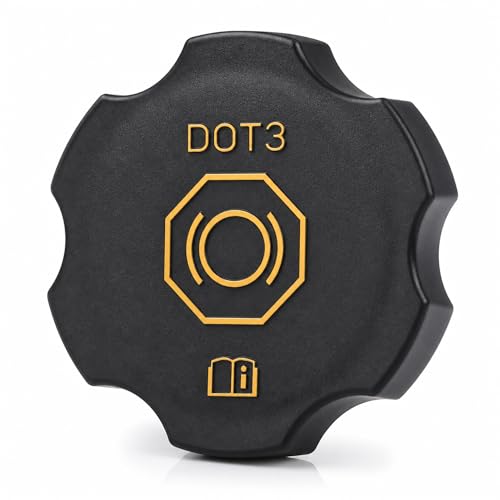
【Precise Fit & Broad Compatibility】This brake master cylinder reservoir cap Fit for GMC Yukon/Yukon XL 2010-2020, Sierra 1500 Limited 2010-2019, Acadia Limited 2010-2017, Canyon 2011-2012. Fit for Buick Enclave 2010-2017, Lucerne 2010-2011. Fit for Chevrolet Suburban 2010-2020, Tahoe 2010-2020, Silverado 1500 LD/Limited 2010-2019, Traverse 2017-2010, Volt 2011-2015, Colorado 2010-2012, Corvette 2011-2013. Fit for Cadillac Escalade/Escalade ESV 2010-2020.
Reduced Effectiveness and Responsiveness
Old brake fluid loses its ability to transmit force effectively, leading to reduced braking efficiency. When you press the brake pedal, the worn-out fluid may not transfer the necessary force promptly, causing a delay in stopping your car. This delay can result in longer stopping distances, jeopardizing your safety on the road.
Corrosion and Damage to Brake Components
Without regular brake fluid changes, moisture buildup within the system can trigger corrosion in crucial components like calipers and master cylinders. Corrosion weakens these parts over time, potentially leading to leaks or failures that compromise your braking system’s integrity. Damaged brake components not only reduce braking performance but also pose a significant safety risk while driving.
Make sure you prioritize changing your brake fluid at recommended intervals to maintain optimal braking performance and ensure your safety on the road.
Recognizing the Signs of Old Brake Fluid
When it comes to your vehicle’s brake system, identifying the signs of old brake fluid is crucial for maintaining optimal performance and safety on the road. Here are key indicators that can help you recognize when it’s time to change your brake fluid:
Recommended Products

15 Double-Ended brake fluid tester and coolant

Durable and Corrosion-Resistant : Featuring a corrosion-resistant probe, this brake fluid tester is designed for long-lasting performance. The durable construction ensures that the tool remains effective over time, even with frequent use, making it a reliable addition to your maintenance toolkit

Quality Materials: The frosted plastic housing provides excellent anti-slip performance, while the high-strength, abrasion-resistant nylon material ensures that brake fluid tester maintains good performance and extends its service life under frequent use or harsh environments
Color Changes in Brake Fluid
Old brake fluid often undergoes color changes due to contamination and degradation. Initially clear or slightly yellow, fresh brake fluid darkens over time as it absorbs moisture and contaminants. Keep an eye on the color of your brake fluid by checking the reservoir. If you notice a dark brown or almost black hue, it’s a sign that the fluid needs replacement.
Unusual Noises or Behaviors
Another indicator of deteriorating brake fluid is unusual noises or behaviors while braking. If you hear squealing, grinding, or squeaking sounds when applying the brakes, it could be a result of air bubbles or debris in the brake lines caused by old and contaminated fluid. Additionally, if you experience a spongy or soft brake pedal feel, it may indicate water absorption in the brake fluid, affecting its ability to transmit hydraulic pressure effectively.
By paying attention to these signs and promptly addressing any issues with your vehicle’s brake system, you can ensure safe driving conditions and maintain reliable braking performance. Regularly inspecting and changing your brake fluid as part of routine maintenance helps prevent potential hazards associated with old and degraded fluid.
Recommended Brake Fluid Maintenance
When it comes to maintaining your brake fluid, there are a few key aspects to consider that can help ensure the safety and performance of your vehicle’s braking system. Here’s what you need to know:
Recommended Products

Mixes well with conventional fluids

Ideal for hydraulic and disc brakes

Provides an extra margin of safety in extreme braking conditions (packaging may vary)
How Often Should You Change Your Brake Fluid?
Regularly changing your brake fluid is crucial for maintaining optimal brake performance and ensuring your safety on the road. It’s generally recommended to change your brake fluid every 2 years or as per the manufacturer’s guidelines. However, if you notice any signs of contaminated or old brake fluid, such as a darker color or spongy brakes, it’s best to have it changed immediately.
Professional Vs. DIY: Which Is Better?
While some car owners prefer the DIY approach for changing brake fluid, opting for professional maintenance at a trusted auto service center can offer several advantages. Professionals have the expertise and equipment to properly flush and replace the brake fluid, ensuring thorough maintenance of the braking system. Additionally, they can inspect other components for potential issues during the process, providing comprehensive care for your vehicle.
By following these recommendations and staying proactive in maintaining your brake fluid at regular intervals, you can enhance both the safety and efficiency of your vehicle’s braking system. Remember that proper maintenance plays a critical role in keeping you safe on the road.
Conclusion
Ensuring your brake fluid is regularly changed is crucial for maintaining road safety. Neglecting this simple task can lead to contamination, affecting your braking system’s performance. Recognizing the signs of old brake fluid and sticking to recommended maintenance schedules are key steps in keeping your vehicle running smoothly. Opting for professional maintenance can provide an added layer of expertise and thoroughness that DIY methods may lack. By prioritizing regular checks and timely changes, you’re taking proactive measures to enhance both safety and efficiency in your vehicle’s braking system.
Frequently Asked Questions
Why is changing brake fluid important?
Brake fluid plays a vital role in the braking system by transferring force from the pedal to the brakes. Over time, it can absorb moisture, leading to contamination and reduced performance.
How do I know if my brake fluid needs changing?
Look out for signs like a change in color, unusual noises while braking, or a spongy brake pedal. These indicate old or contaminated brake fluid that needs replacing.
How often should I change my brake fluid?
It’s recommended to change your brake fluid every 2 years or as per your vehicle manufacturer’s guidelines to ensure optimal performance and safety.
Is it better to get professional maintenance for changing brake fluid?
Yes, opting for professional maintenance ensures thoroughness and expertise in handling your vehicle’s braking system, enhancing safety and efficiency.
