

Ever wondered if your car’s brake fluid can go bad? Imagine this: You’re cruising down the highway when suddenly, you need to make a quick stop. But what if your brake fluid isn’t up to the task? In this article, we’ll explore the crucial question: does brake fluid go bad?
Understanding the lifespan of brake fluid is essential for maintaining your vehicle’s safety and performance. By knowing the signs of deteriorating brake fluid, you can prevent potential braking issues and ensure smooth rides ahead. So, why wait? Let’s uncover the truth about brake fluid longevity together.
Key Takeaways
- Brake fluid is a crucial component of your car’s braking system, responsible for transferring force from the brake pedal to the brakes.
- Factors like moisture absorption, exposure to heat, and oxygen can lead to brake fluid degradation, affecting its performance.
- Signs of deteriorating brake fluid include color changes, spongy brake pedal feel, warning lights on the dashboard, and corrosion on brake components.
- Regular testing using visual inspection, test strips, or electronic testers can help assess the quality of your brake fluid.
- Proper storage practices such as keeping it sealed, storing in a cool place, avoiding mixing types, checking expiration dates, and using clean tools are essential for maintaining brake fluid effectiveness.
- It’s recommended to change brake fluid every 2 years or 24,000 miles based on driving conditions and signs of contamination. The process involves gathering materials, preparing the vehicle, removing old fluid, refilling with new fluid, bleeding brakes starting from the farthest wheel to ensure optimal performance.
Understanding Brake Fluid and Its Functions
Brake fluid is a vital component of your car’s braking system. It plays a crucial role in ensuring your vehicle can stop safely and efficiently when needed. Let’s delve into what brake fluid is and how it functions in your car.
What Is Brake Fluid?
Brake fluid, also known as hydraulic fluid, is a type of non-compressible substance used in hydraulic brake systems to transfer force from the brake pedal to the brakes. It operates under high pressure and temperatures to transmit power within the braking system.
How Does Brake Fluid Work in a Vehicle?
When you press the brake pedal, it pushes on a piston in the master cylinder filled with brake fluid. This pressure is transmitted through the brake lines to each wheel’s brake calipers or cylinders. The force exerted by the fluid causes the brakes to clamp down on the rotors (disc brakes) or drums (drum brakes), resulting in friction that slows down or stops your vehicle.
By understanding how brake fluid functions, you can appreciate its critical role in maintaining your car’s braking performance and safety on the road.
The Shelf Life of Brake Fluid
Brake fluid, like any other automotive fluid, has a shelf life. Understanding the factors that contribute to brake fluid degradation and recognizing signs of deterioration are crucial for maintaining your vehicle’s braking system.
Factors That Affect Brake Fluid Degradation
Brake fluid is hygroscopic, meaning it absorbs moisture over time. This moisture can lower the boiling point of the fluid, leading to decreased effectiveness in high-temperature conditions. Additionally, exposure to heat and oxygen can cause chemical breakdown, reducing the fluid’s performance.
- Change in Color: Fresh brake fluid is usually clear or slightly yellow. If you notice a dark brown or black coloration in your brake fluid, it may indicate contamination and degradation.
- Spongy Brake Pedal: If you experience a soft or spongy feeling when pressing the brake pedal, it could be a sign of air or moisture in the brake lines due to degraded brake fluid.
- Brake System Warning Light: Modern vehicles are equipped with sensors that detect issues with the braking system. If your brake warning light illuminates on the dashboard, it could signal deteriorating brake fluid.
- Corrosion on Brake Components: Deteriorated brake fluid can lead to corrosion within the braking system components. Check for rust or corrosion on calipers, master cylinder cap, or other metal parts.
By understanding these factors and signs related to brake fluid degradation, you can proactively maintain your vehicle’s braking system and ensure safe driving experiences on the road.
Testing Brake Fluid Quality
To ensure your brake fluid is in good condition, you can perform simple tests at home. Here are some methods to help you assess the quality of your brake fluid effectively.
Recommended Products

15 Double-Ended brake fluid tester and coolant

WIDE RANGE OF APPLICATIONS: The automotive brake fluid tester is a universal device for most vehicles. It can check the condition of DOT-3, DOT-4, DOT-5.1 brake fluids as well as most synthetic brake fluids. It is extremely easy for personal use and is widely used for private workshops, repair shops and car dealerships.

Durable and Corrosion-Resistant : Featuring a corrosion-resistant probe, this brake fluid tester is designed for long-lasting performance. The durable construction ensures that the tool remains effective over time, even with frequent use, making it a reliable addition to your maintenance toolkit
Visual Inspection and What to Look For
Start by visually inspecting the brake fluid in the reservoir. Fresh brake fluid is almost clear with a slight yellow tint. Over time, it darkens due to absorbing moisture and contaminants. If your brake fluid appears dark brown or black, it’s a sign that it may need replacement.
Tools and Kits for Testing Brake Fluid
You can use test strips designed specifically for checking brake fluid quality. These strips change color based on the amount of copper present in the fluid, indicating its condition. Additionally, there are electronic testers available that measure the boiling point of the brake fluid, giving you an accurate assessment of its health.
By regularly testing your brake fluid using these methods, you can ensure optimal performance of your braking system and maintain safe driving conditions on the road.
How to Properly Store Brake Fluid
When it comes to storing brake fluid, following best practices is crucial for maintaining its quality and effectiveness. Here are some tips to help you extend the shelf life of your brake fluid:
- Keep it Sealed: Always make sure that the container holding the brake fluid is tightly sealed when not in use. Exposure to air can lead to contamination and reduce the fluid’s performance.
- Store in a Cool, Dry Place: Optimal storage conditions for brake fluid include cool temperatures and low humidity. Avoid storing it in areas exposed to direct sunlight or extreme heat as this can accelerate degradation.
- Avoid Mixing Different Types: To prevent any adverse reactions or decreased performance, refrain from mixing different types or brands of brake fluids. Stick to using one type throughout your vehicle.
- Check Expiration Dates: Brake fluid does have a shelf life, so always check the expiration date on the container before use. Using expired brake fluid can compromise your braking system’s efficiency.
- Use Clean Tools: When handling brake fluid, ensure that all tools and equipment are clean and free from contaminants. Even small particles can affect the quality of the fluid.
By following these practices, you can help ensure that your brake fluid remains in optimal condition, contributing to safer driving experiences and better overall performance of your vehicle’s braking system.
Recommended Products
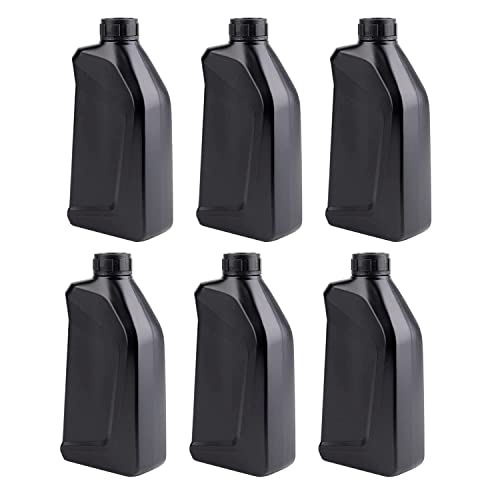
Include 6 pack black plastic jugs with lid, measure 4"L x 2.5"W x 9"H, suitable to be used in the garage, washhouse, living room, etc.
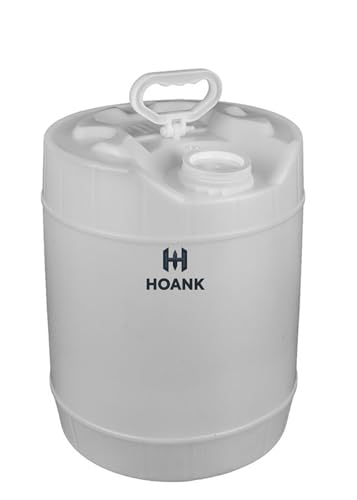
CAPACITY: 5-gallon translucent container perfect for storing and recycling used automotive oil with clear visibility of fluid levels

CAPACITY: 5-gallon translucent container perfect for storing and recycling used automotive oil with clear visibility of fluid levels
Changing Your Brake Fluid
Changing your brake fluid is essential to maintain optimal braking performance and ensure your safety on the road. Here’s what you need to know about when and how often it should be changed, along with a step-by-step guide to help you through the process.
Recommended Products

Complete Kit: Orion Motor Tech's pneumatic brake bleeder kit includes a 3.2 qt (3L) vacuum bleeder, a 1.1 qt (1L) refilling bottle, 2 hoses, 18 adapters, and accessories to effectively purge air from your brake system, ensuring a responsive brake pedal

UNIVERSAL BLEEDING KIT: Orion Motor Tech's brake bleeding vacuum pump with an adapter set works with nearly any vehicle's system and lets you bleed your brakes, clutch, or any other vehicular hydraulic system in under 5 minutes all by yourself

Complete Kit: The brake system bleeding tools contain 2*6.02" long inlet hose, 2*13.77" long outlet hose, 2*check valve, 4*0.24" ID small clamps, 2*0.31" ID large clamps, 6*bleeder screw caps. Fit for hydraulic brakes on most motorcycles, cars, and bikes
When and How Often Should It Be Changed?
Brake fluid should typically be changed every 2 years or 24,000 miles, whichever comes first. However, it’s crucial to check your vehicle’s manual for specific recommendations as maintenance schedules can vary.
Factors such as driving conditions, climate, and usage patterns can affect the frequency of brake fluid changes. If you notice any signs of contaminated or deteriorating brake fluid, such as a darker color or a burnt smell, consider changing it sooner than scheduled.
- Gather Materials: You’ll need new brake fluid (specified in your car manual), a turkey baster or syringe, a wrench or socket set, a clean cloth, and a container for old fluid disposal.
- Prepare Your Vehicle: Park on a level surface, engage the parking brake, and locate the master cylinder under the hood.
- Remove Old Fluid: Use the turkey baster or syringe to remove as much old fluid from the reservoir as possible without exposing the system to air.
- Refill with New Fluid: Top up the reservoir with fresh brake fluid up to the recommended level.
- Bleed Brakes: Starting from the wheel farthest from the master cylinder (usually rear passenger side), bleed each brake line until clear fluid without air bubbles flows out.
- Check Levels & Test Brakes: Ensure all connections are tight, refill if needed, and test your brakes by gently pressing them while stationary before driving.
By following these steps and adhering to your vehicle’s maintenance schedule for changing brake fluid regularly, you can help maintain peak braking performance and keep yourself safe on the road.
Conclusion
That’s it! By now, you should have a good grasp on the importance of brake fluid maintenance. Remember to keep an eye on your brake fluid quality and change it regularly to ensure your vehicle’s braking system functions at its best. Following the recommended guidelines for testing and changing brake fluid can contribute significantly to your safety on the road. Stay proactive with your car’s maintenance, including regular checks on the condition of your brake fluid. Your diligence in this area will go a long way in maintaining optimal braking performance and keeping you safe during your drives.
Frequently Asked Questions
What is brake fluid and why is it important for cars?
Brake fluid is a hydraulic fluid that transfers force from the brake pedal to the braking system, enabling efficient stopping power. It plays a crucial role in maintaining optimal braking performance and ensuring vehicle safety.
How often should brake fluid be changed?
Brake fluid should typically be changed every 2 years or 24,000 miles, but this can vary based on driving conditions, manufacturer recommendations, and the type of brake fluid used.
What factors contribute to brake fluid degradation?
Factors such as moisture absorption, high temperatures, contamination, and age contribute to brake fluid degradation over time, reducing its effectiveness in transferring braking force.
How can I test the quality of my car’s brake fluid?
You can test the quality of your car’s brake fluid using a test strip or a digital tester to check for water content or contaminants that may affect its performance.
What are the steps involved in changing brake fluid?
The process involves gathering materials (new brake fluid, tools), preparing the vehicle (parking on level ground), removing old fluid (via bleeding), refilling with new fluid (using proper technique), bleeding brakes (to remove air bubbles), and testing them for optimal function.
