

Ever wondered if your power steering fluid can freeze during those cold winter months? Picture this: you hop into your car on a frosty morning, only to find that your steering wheel feels stiff and unresponsive. Could freezing power steering fluid be the culprit behind this frustrating scenario?
In this article, we’ll explore the possibility of your power steering fluid freezing and the potential consequences it can have on your vehicle’s steering performance. By understanding how cold temperatures can impact your power steering system, you’ll be equipped with the knowledge to prevent potential issues and keep your car running smoothly, even in the chilliest of weather. Stay tuned to learn how to safeguard your power steering system from the icy grip of winter.
Key Takeaways
- Power steering fluid can freeze in cold temperatures, leading to stiff and unresponsive steering.
- Use anti-freeze power steering fluid and keep your vehicle warm to prevent fluid freezing.
- Regularly check fluid levels and purity, as well as use the correct type of fluid to avoid freezing.
- Look out for signs of frozen fluid such as steering difficulties, unusual noises, and dashboard warning lights.
- Insulate your vehicle, maintain proper fluid levels, and drive carefully in cold weather to prevent power steering fluid from freezing.
- Consult a professional if you suspect frozen power steering fluid to prevent further damage.
Understanding Power Steering Fluid Freezing
In cold winter months, it’s crucial to understand how freezing temperatures can affect your power steering fluid and, ultimately, your vehicle’s steering performance. Let’s dive into the details to help you protect your power steering system from the potential issues that freezing fluid can bring.
Why Does Power Steering Fluid Freeze?
Power steering fluid, like most liquids, can freeze when exposed to low temperatures. The components of the fluid may solidify, leading to thickening or even complete solidification, which can hinder the proper functioning of the power steering system.
Consequences of Frozen Power Steering Fluid
When power steering fluid freezes, it can cause significant problems with your vehicle’s steering. The steering wheel might become harder to turn or feel jerky and unresponsive, making it challenging to maneuver your car safely.
Preventing Power Steering Fluid Freezing
To safeguard your power steering system from the icy grip of winter, consider these practical tips:
- Use an Anti-Freeze Power Steering Fluid: Opt for a power steering fluid specifically designed to withstand low temperatures.
- Keep Your Vehicle Warm: Park your car in a garage or use a block heater to prevent the fluid from freezing overnight.
- Regular Checks: Maintain regular checks on your power steering fluid level and condition, especially during the winter months.
What to Do If Your Power Steering Fluid Freezes
If you suspect that your power steering fluid has frozen, it’s essential to address the issue promptly. Here’s what you can do:
- Thaw the Fluid: Move your car to a warmer location or use a heat source to thaw the power steering fluid gradually.
- Consult a Professional: If the issue persists or you’re unsure how to proceed, seek assistance from a qualified mechanic to prevent further damage.
By understanding the implications of power steering fluid freezing and taking proactive measures to prevent and address it, you can ensure smooth steering performance even in the coldest of winters. Stay informed and prepared to keep your vehicle running smoothly.
Factors Affecting Power Steering Fluid Freezing
Understanding the factors influencing the freezing of power steering fluid is crucial to maintaining your vehicle’s steering performance in cold weather. Here, we explore the key elements that can contribute to power steering fluid freezing and what you can do to prevent this issue.
Recommended Products
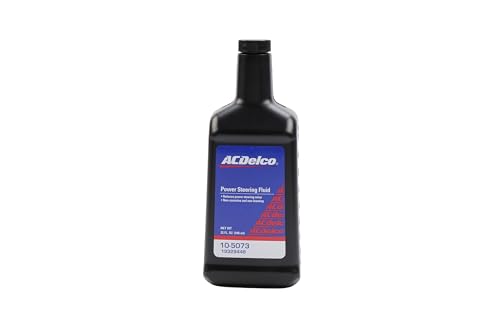
Helps protect the power steering system for long service life

Engineered Stop Leak Protection: Specially formulated to condition and rejuvenate worn seals, helping stop existing leaks and preventing future fluid loss for smoother steering performance

Inhibits corrosion and is non-foaming, providing additional protection against unwanted wear in the power steering system
Cold Temperature Exposure
Exposure to extremely cold temperatures is the primary factor leading to power steering fluid freezing. When the mercury drops below a certain point, the fluid’s composition may change, causing it to solidify. It is vital to be aware of the temperature ranges in which your power steering fluid can freeze to take preventive measures.
Fluid Purity
The purity of the power steering fluid also plays a significant role in its freezing point. Contaminants or impurities in the fluid can alter its chemical makeup, making it more vulnerable to freezing at higher temperatures. Always ensure that you use high-quality, clean power steering fluid to minimize the risk of freezing.
Fluid Level
Maintaining the correct level of power steering fluid is essential in preventing freezing issues. Low fluid levels can lead to inadequate lubrication and cooling, increasing the likelihood of freezing, especially in cold conditions. Regularly check and top up your power steering fluid to keep it at optimal levels.
Fluid Type
The type of power steering fluid used in your vehicle can impact its freezing point. Different formulations have varying resistance to freezing temperatures. Consult your vehicle’s manual or a professional to determine the right type of power steering fluid suitable for your specific vehicle and environmental conditions.
Vehicle Insulation
Proper insulation of your vehicle’s engine components, including the power steering system, can help protect the fluid from freezing. Ensuring that your vehicle is adequately insulated and maintained can go a long way in safeguarding the power steering fluid from the effects of extreme cold.
Precautionary Measures
Taking proactive measures such as using anti-freeze power steering fluid or parking your vehicle in a garage during freezing weather can significantly reduce the risk of power steering fluid freezing. Additionally, conducting regular checks and maintenance on your vehicle’s power steering system can help identify and address any issues promptly.
By understanding these factors affecting power steering fluid freezing, you can effectively safeguard your vehicle’s steering performance during the winter months. Remember to stay proactive and prioritize proper maintenance to ensure smooth steering operation in cold weather conditions.
Signs of Power Steering Fluid Freezing
Fluid Discoloration
Check for a change in color. If the power steering fluid appears cloudy or slushy, it may be a sign that it’s freezing.
Steering Difficulty
Notice if your steering wheel becomes harder to turn. A vehicle’s steering may feel stiff or unresponsive when the power steering fluid is frozen.
Unusual Noises
Listen for unusual squealing or whining sounds when turning the steering wheel. These noises can indicate that the power steering system is struggling due to frozen fluid.
Leaks Under the Vehicle
Look for fluid leaks underneath your car. Frozen power steering fluid can cause pressure buildup leading to leaks, which can be a visible sign of freezing.
Slow Response
Pay attention to delays in your steering response. When power steering fluid freezes, it affects the system’s ability to assist with steering, causing a delay in your steering input.
Dashboard Warning Lights
Check for any illuminated warning lights on your dashboard. Some vehicles have warning indicators that illuminate when there are issues with the power steering system, including freezing fluid.
Vibrations in the Steering Wheel
Feel for vibrations in the steering wheel while driving. Frozen power steering fluid can cause uneven steering assistance, resulting in vibrations felt in the wheel.
Incomplete Steering Return
Observe if the steering wheel fails to return to its center position after making a turn. This incomplete return can be a consequence of frozen power steering fluid hindering the steering system’s functionality.
By being aware of these signs, you can identify if your power steering fluid is freezing and take appropriate action to prevent potential steering problems in cold weather.
Preventing Power Steering Fluid Freezing
To ensure your power steering fluid doesn’t freeze during cold winter months, follow these practical steps to prevent potential issues.
Recommended Products
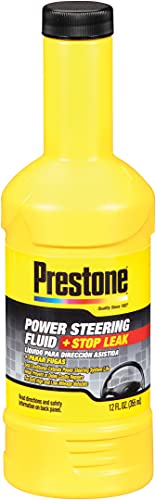
50,000 mile fluid life

Formulated with a blend of special oils and petroleum-extracted additives

The service solution for ALL European, North American, and Asian vehicles (Honda fluid recommended for Honda/Acura vehicles)
Check the Fluid Levels Regularly
Monitor your power steering fluid levels frequently, especially before the winter season begins. Ensure the levels are within the recommended range to maintain proper functioning and prevent freezing.
Use the Right Fluid
Make sure you are using the correct type of power steering fluid recommended by your vehicle’s manufacturer. Using the appropriate fluid will help maintain optimal performance, even in freezing temperatures.
Maintain Adequate Temperature
Park your vehicle in a garage or a sheltered area to protect it from extreme cold. By keeping your car in a warmer environment, you reduce the chances of the power steering fluid freezing.
Install Insulation
Consider insulating the power steering lines or wrapping them with heat tape to provide additional protection against freezing temperatures. Proper insulation can help maintain the fluid’s viscosity and prevent it from solidifying.
Regular Servicing
Schedule regular servicing of your vehicle, including checking the power steering system, to ensure all components are in good condition. A well-maintained system is less likely to experience fluid freezing issues.
Drive Carefully in Cold Weather
When driving in cold weather, especially after your car has been sitting idle for a while, be gentle with the steering wheel until the fluid warms up. Sudden, sharp turns can strain the system and potentially lead to fluid freezing.
By following these preventive measures, you can safeguard your power steering system from freezing in cold temperatures, ensuring smooth and responsive steering when you need it the most.
Dealing with Frozen Power Steering Fluid
To prevent your power steering fluid from freezing in cold temperatures, follow these practical steps:
Recommended Products
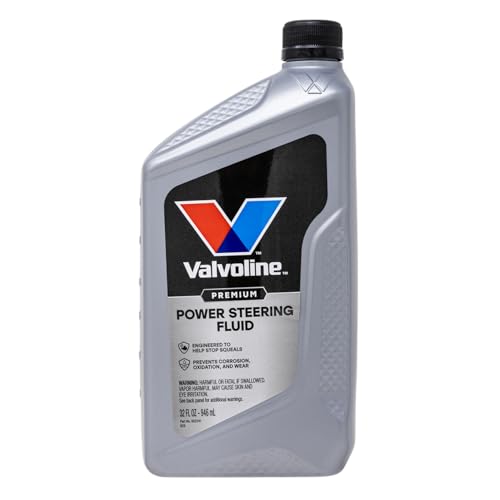
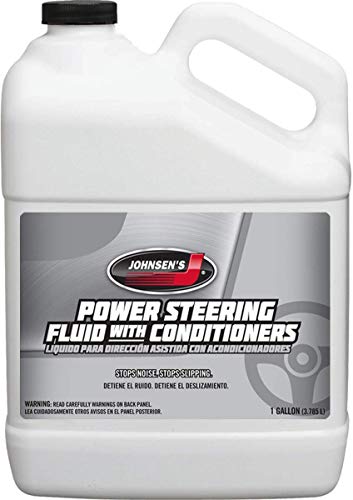
High quality power steering fluid and conditioner

The exact Original Equipment Manufacturer fluid that your vehicle came with; helps stop squeals while preventing corrosion, oxidation and wear
Checking Fluid Levels Regularly
Keep an eye on your power steering fluid levels by consulting your vehicle’s manual. Low levels can increase the risk of freezing.
Using the Correct Fluid Type
Ensure you’re using the manufacturer-recommended power steering fluid. Different types may have varying freezing points, affecting performance in cold weather.
Maintaining Adequate Temperature
If your vehicle isn’t stored in a temperature-controlled environment, consider parking it in a garage or using a block heater to maintain a suitable temperature for the power steering fluid.
Installing Insulation
Add insulation around the power steering fluid reservoir to help retain heat and prevent freezing. Simple techniques like using foam insulation can make a difference.
Scheduling Regular Servicing
Regular maintenance checks by a qualified mechanic can help identify issues early on, including low fluid levels or leaks that could lead to freezing.
Driving Carefully in Cold Weather
In cold conditions, be gentle with your steering to avoid putting excessive strain on the power steering system. Sudden and aggressive movements can cause the fluid to freeze more quickly.
By incorporating these proactive measures into your routine maintenance habits, you can safeguard your power steering system from freezing, ensuring smooth and reliable steering performance even in the coldest weather conditions.
Conclusion
Ensuring your power steering fluid remains unfrozen during winter is crucial for maintaining optimal steering performance. By taking proactive steps like checking fluid levels, using the correct fluid type, and maintaining adequate temperature, you can prevent freezing issues. Installing insulation, scheduling regular servicing, and driving carefully in cold weather are additional measures that can help you avoid the inconvenience of frozen power steering fluid. Remember, a little preparation goes a long way in ensuring your vehicle operates smoothly, even in the harshest winter conditions. Stay ahead of the freeze and enjoy hassle-free steering all season long.
Frequently Asked Questions
Why does power steering fluid freeze in cold temperatures?
Power steering fluid contains water, which can freeze in low temperatures, causing the fluid to thicken and potentially damage the power steering system.
What are the signs of power steering fluid freezing?
Signs of frozen power steering fluid include difficulty turning the steering wheel, whining or groaning noises when steering, and stiff steering response.
How can I prevent power steering fluid from freezing?
Prevent power steering fluid from freezing by regularly checking fluid levels, using the correct fluid type for your vehicle, keeping the temperature adequately warm, installing insulation around the fluid reservoir, and scheduling regular servicing.
Why is it important to maintain the proper temperature for power steering fluid?
Maintaining the proper temperature for power steering fluid ensures smooth and reliable steering performance, preventing damage to the power steering system caused by frozen fluid.
How can insulation help prevent power steering fluid from freezing?
Insulation helps retain heat around the power steering fluid reservoir, preventing it from freezing in cold temperatures and maintaining optimal fluid performance.
Why is regular servicing crucial in preventing power steering fluid from freezing?
Regular servicing helps identify any issues with the power steering system early on, allowing for timely repairs or maintenance to prevent fluid freezing and ensure optimal system performance.
How should I drive in cold weather to prevent power steering fluid freezing?
Drive carefully in cold weather by avoiding sudden or aggressive steering movements, which can strain the power steering system and increase the risk of fluid freezing.
