

Ever wondered if that mysterious fluid in your car’s power steering system could be harmful? Picture this: you’re checking under the hood, and you notice a leak. Is it something to be concerned about? The question arises: Is power steering fluid toxic?
In this article, we’ll dive into the world of power steering fluid to uncover the potential risks it may pose to you and your vehicle. By understanding the toxicity levels of this essential automotive fluid, you’ll gain valuable insights into how to handle it safely and protect yourself from any potential hazards. Stay tuned to discover the crucial information you need to ensure your safety and keep your car running smoothly.
Key Takeaways
- Power steering fluid is a specialized hydraulic fluid that reduces the effort needed to turn the steering wheel by providing hydraulic assistance.
- Proper levels of power steering fluid are essential for effective vehicle steering, safety, and longevity of steering components.
- Different types of power steering fluid are available, and using the recommended type is crucial for optimal performance.
- Handle power steering fluid with care to avoid health risks like skin irritation and environmental contamination.
- Disposing of power steering fluid following local regulations is necessary to prevent harm to the environment and ensure safety.
- Following safety measures like wearing protective gear, avoiding skin contact, proper ventilation, spill cleanup, and correct disposal is crucial when handling power steering fluid.
Understanding Power Steering Fluid
Navigating the world of automotive maintenance involves understanding each component’s function, including power steering fluid. This specialized fluid plays a critical role in ensuring smooth steering operation in your vehicle.
- What Is Power Steering Fluid?
Power steering fluid is a specialized hydraulic fluid that transmits power in the steering system, reducing the effort needed to turn the steering wheel. It provides hydraulic assistance to enhance maneuverability, especially at low speeds or when parking. - Why Is It Important?
Proper levels of power steering fluid are crucial for the effective functioning of your vehicle’s power steering system. Without an adequate amount of fluid, steering becomes challenging, leading to potential safety risks and increased wear on steering components. - Common Types
There are different types of power steering fluid, such as mineral oil-based and synthetic fluids. It’s essential to use the type recommended by your vehicle’s manufacturer to maintain optimal performance. - Checking and Topping Up
Regularly checking the power steering fluid level is essential. You can consult your vehicle’s manual to locate the reservoir and ensure the fluid is within the recommended range. If it’s low, carefully top it up with the correct type of fluid. - Potential Hazards
While power steering fluid is not classified as highly toxic, it’s essential to handle it with care. Avoid direct skin contact and make sure not to spill it on the ground to prevent environmental contamination. - Disposal
When disposing of power steering fluid, follow local regulations for hazardous waste disposal. Improper disposal can harm the environment, so it’s best to take it to designated collection points for safe disposal.
Understanding the role and importance of power steering fluid in your vehicle’s maintenance routine can help you ensure a safe and smooth driving experience. Remember to handle and dispose of the fluid responsibly to minimize any potential risks.
Composition of Power Steering Fluid
Power steering fluid is a crucial element in your vehicle’s steering system, responsible for ensuring smooth and efficient operation. Understanding the composition of power steering fluid can provide you with insights into its properties and performance. Here’s what makes up power steering fluid:
- Base Oil:
- The base oil in power steering fluid is typically mineral oil, synthetic oil, or a blend of the two. It serves as the primary component that provides lubrication to the steering system, reducing friction, and allowing for ease of steering.
- Additives:
- Power steering fluid contains various additives that enhance its performance and durability. These additives may include:
- Anti-wear additives: Protect components from wear and tear.
- Anti-foaming agents: Prevent the formation of foam in the fluid.
- Corrosion inhibitors: Guard against corrosion in the system.
- Viscosity modifiers: Maintain the desired thickness of the fluid across different temperatures.
- Seal conditioners: Help preserve the seals in the steering system.
- Dyes:
- Some power steering fluids may contain dyes to aid in leak detection and fluid identification. These dyes can help you visually inspect the system for any potential leaks or contamination.
Understanding the composition of power steering fluid equips you with valuable knowledge about its components’ functions and how they work together to ensure optimal steering performance in your vehicle. By being aware of what goes into this essential fluid, you can better appreciate the role it plays in maintaining your vehicle’s steering system.
Potential Toxicity of Power Steering Fluid
Understanding the potential toxicity of power steering fluid is crucial for your safety and environmental consciousness. While power steering fluid is essential for the proper functioning of your vehicle’s steering system, it’s important to be aware of its potential hazards.
Recommended Products

REDUCES NOISE AND SMOOTHES OUT HARD STEERING: A unique dual cavity bottle containing a combination of the best performance additives to repair the most common power steering fluid related problems.

Formulated with a blend of special oils and petroleum-extracted additives

Removes Trapped Air: Brake bleeding kit helps eliminate trapped air from power steering and brake lines after fluid changes, preventing pump noise, steering issues, and component damage.
Chemical Composition and Risks
Power steering fluid typically contains chemicals such as mineral oil, synthetic oil, and additives like corrosion inhibitors and anti-wear compounds. These components can pose health risks if exposed to them in high concentrations or over prolonged periods.
Health Hazards
Inhalation or skin contact with power steering fluid can lead to symptoms like dizziness, nausea, skin irritation, and respiratory issues. Ingestion of power steering fluid is particularly dangerous and can result in serious health consequences, including damage to internal organs.
Environmental Impact
Improper disposal of power steering fluid can lead to contamination of soil, water bodies, and aquatic life. The chemicals present in the fluid can be harmful to the environment, affecting ecosystems and risking long-term environmental damage.
Safe Handling Practices
To minimize the risk of toxicity associated with power steering fluid, it’s essential to follow safety precautions when working with or disposing of the fluid.
- Wear protective gear such as gloves and goggles to prevent skin contact.
- Ensure proper ventilation in the workspace to reduce inhalation risks.
- In case of spills, clean them up promptly and dispose of contaminated materials according to local regulations.
Proper Disposal
When disposing of power steering fluid, avoid pouring it down drains or onto the ground. Instead, take it to a designated recycling center that handles hazardous fluids. Proper disposal not only protects the environment but also ensures your safety and that of others.
Conclusion
Being mindful of the potential toxicity of power steering fluid and adopting safe handling practices is essential for safeguarding your health and the environment. By understanding the risks associated with this fluid and taking appropriate precautions, you can enjoy a safer driving experience while minimizing environmental harm.
Safety Measures for Handling Power Steering Fluid
When it comes to handling power steering fluid, it’s essential to prioritize safety to protect yourself and the environment. Follow these practical safety measures to ensure proper handling and disposal of power steering fluid:
Recommended Products
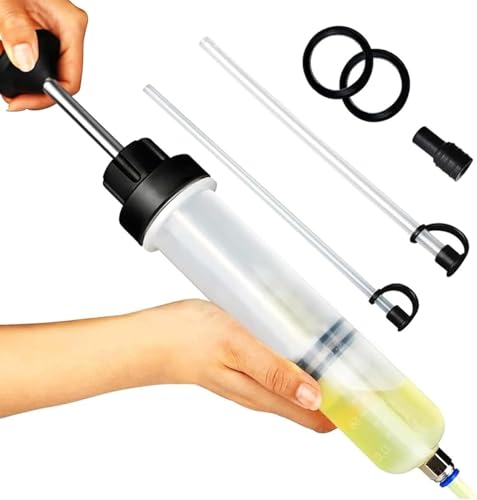
Material: This manual oil extractor is constructed from reinforced plastic with clear graduated markings for precise liquid level monitoring. The thickened rod design ensures smoother and more stable extraction.

PROFESSIONAL POWER STEERING BLEEDER KIT: Designed for power steering fluid service, this power steering bleeder kit works with most compatible hand vacuum pumps to remove trapped air after repairs or fluid replacement. Helps restore smooth steering performance, reduce air-related steering noise, and support routine automotive maintenance.

Material: This manual oil extractor is constructed from reinforced plastic with clear graduated markings for precise liquid level monitoring. The thickened rod design ensures smoother and more stable extraction.
Wear Protective Gear
- Always wear protective gear like gloves and safety goggles when working with power steering fluid. This simple step can protect your skin and eyes from potential harm.
Avoid Skin Contact
- Prevent skin contact with power steering fluid as it can cause irritation or allergic reactions. In case of accidental contact, wash the affected area immediately with soap and water.
Inhalation Precautions
- Avoid inhaling fumes from power steering fluid. Work in a well-ventilated area or wear a mask to prevent inhalation of harmful vapors.
Spill Cleanup
- If a spill occurs, clean it up promptly using absorbent materials like kitty litter or rags. Avoid washing the fluid into drains to prevent environmental contamination.
Proper Disposal
- Dispose of used power steering fluid responsibly. Many auto parts stores or recycling centers accept old fluid for proper disposal. Never dump it into the environment.
- Regularly check your vehicle for power steering fluid leaks. Taking care of leaks promptly can prevent environmental pollution and ensure safety.
By following these safety measures, you can minimize the risks associated with power steering fluid handling and contribute to a safer working environment. Always remember that safety should be your top priority when dealing with any automotive fluids.
Regulations on Power Steering Fluid Toxicity
Understanding the regulations regarding power steering fluid toxicity is crucial to ensure safety and compliance with standards. Let’s delve into the guidelines set to manage the potential risks associated with power steering fluids.
Recommended Products

Engineered Stop Leak Protection: Specially formulated to condition and rejuvenate worn seals, helping stop existing leaks and preventing future fluid loss for smoother steering performance
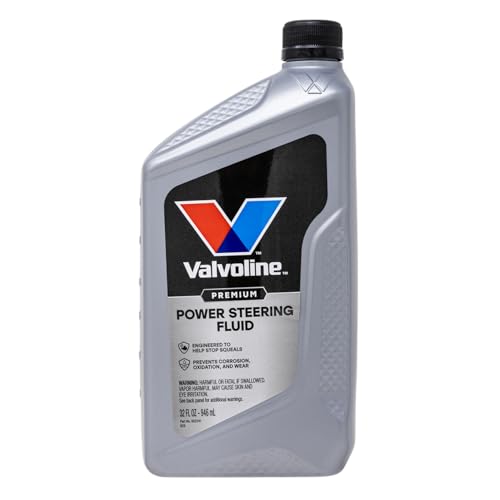

50,000 mile fluid life
Environmental Protection Agency (EPA) Regulations
The Environmental Protection Agency (EPA) oversees regulations concerning hazardous waste, including guidelines for the safe handling and disposal of power steering fluids. It’s essential to adhere to these regulations to prevent environmental contamination.
Occupational Safety and Health Administration (OSHA) Standards
OSHA sets standards to protect workers from occupational hazards, including exposure to toxic substances like power steering fluid. These standards mandate the use of protective equipment and safe handling practices in workplaces where power steering fluid is present.
Department of Transportation (DOT) Requirements
The Department of Transportation (DOT) enforces regulations on the transportation of hazardous materials, including power steering fluid. It’s important to comply with these regulations when shipping or transporting power steering fluid to ensure safety during transit.
Waste Management Regulations
Local and state authorities may have specific waste management regulations governing the disposal of power steering fluid. These regulations aim to prevent soil and water contamination, emphasizing proper disposal methods such as recycling or taking the fluid to designated disposal sites.
International Standards Organization (ISO) Guidelines
The International Standards Organization (ISO) develops guidelines for product quality and safety, including specifications for power steering fluids. Following ISO guidelines ensures that power steering fluids meet quality standards and are safe for use in vehicles.
By familiarizing yourself with these regulations and standards, you can effectively manage the toxicity of power steering fluid, protect the environment, and maintain a safe working environment. Remember to stay informed about any updates or changes to regulations to uphold best practices in handling power steering fluids.
Conclusion
You’ve learned about the importance of power steering fluid in maintaining your vehicle’s steering system and the significance of proper levels for safe operation. Understanding the potential toxicity of power steering fluid is crucial to prevent health hazards from inhalation, skin contact, and ingestion. By adhering to regulations set by organizations like the EPA, OSHA, and the ISO, you can ensure safe handling, disposal, and transportation of power steering fluid. Stay informed about regulatory updates to follow best practices and prioritize safety when dealing with automotive fluids. Remember, your safety and environmental protection are paramount when it comes to managing the toxicity of power steering fluid.
Frequently Asked Questions
What is power steering fluid, and why is it important?
Power steering fluid is a hydraulic fluid that transmits power in a vehicle’s steering system, ensuring smooth and responsive steering. It prevents wear and tear on steering components and helps maintain overall vehicle safety.
How often should I check my power steering fluid levels?
Check your power steering fluid levels regularly, ideally with every oil change or as recommended in your vehicle’s manual. Maintaining the proper fluid levels is crucial for the efficient operation of your steering system.
Can power steering fluid be harmful to health?
Yes, power steering fluid can be harmful if inhaled, comes in contact with the skin, or ingested due to its toxic chemical composition. It is essential to handle and dispose of power steering fluid with caution to avoid health risks.
Are there regulations for handling and disposing of power steering fluid?
Yes, organizations like the EPA, OSHA, DOT, waste management authorities, and the ISO have set regulations and standards for managing the toxicity of power steering fluid. Adhering to these guidelines is crucial for safety, environmental protection, and compliance.
Why is it important to stay informed about regulatory updates regarding power steering fluid?
Staying informed about regulatory updates ensures you are aware of the latest guidelines for handling, disposing, and transporting power steering fluid safely. It helps in maintaining best practices, protecting the environment, and ensuring compliance with legal standards.
