

Ever felt like your car is whispering a secret as you navigate those turns? You might be onto something. Picture this: you’re cruising down the road, and suddenly, the steering feels a bit off, a tad heavier than usual. Could it be a sign that your power steering fluid is low?
Key Takeaways
- Difficulty turning the steering wheel, whining noise, leaking fluid, vibrations in the wheel, and dashboard warning light are signs of low power steering fluid.
- Regularly check power steering fluid level by inspecting reservoir, color, and consistency to maintain optimal functionality.
- Adequate power steering fluid levels preserve system functionality, prevent costly repairs, enhance steering control, reduce wear and tear, and ensure safety on the road.
- Proactive maintenance of power steering fluid can lead to a smoother and safer driving experience, preventing potential damage and ensuring responsive steering.
Signs of Low Power Steering Fluid
If you’re wondering whether your car’s power steering fluid is running low, here are some key indicators to look out for:
- Difficulty Turning: When your power steering fluid is low, you may notice that it becomes harder to turn the steering wheel, especially at lower speeds or when stationary. This increased resistance can be a clear sign that your power steering system isn’t functioning properly due to insufficient fluid levels.
- Whining Noise: If you hear a whining or squealing noise when you turn the steering wheel, it could be a sign of low power steering fluid. The pump may be straining to operate correctly without an adequate amount of fluid to lubricate its components.
- Leaking Fluid: Check under your car for any signs of leaking power steering fluid. Low fluid levels can result from a leak in the power steering system. Look for a reddish or light brown fluid on the ground where your car is parked.
- Vibrations in the Steering Wheel: In some cases, low power steering fluid can cause vibrations or shaking in the steering wheel. This sensation may indicate that the power steering system is not receiving proper lubrication, affecting its performance.
- Dashboard Warning Light: Many modern vehicles are equipped with a dashboard warning light specifically for the power steering system. If this light illuminates on your dashboard, it could mean that your power steering fluid is low or that there is an issue with the system that requires attention.
By paying attention to these signs, you can stay proactive in maintaining your car’s power steering system. If you notice any of these indicators, it’s essential to address the issue promptly to prevent further damage and ensure your safety on the road.
Checking Power Steering Fluid Level
To ensure your car’s power steering system functions optimally, it’s crucial to regularly check the power steering fluid level. Follow these simple steps to determine if your power steering fluid is low:
Recommended Products

Engineered Stop Leak Protection: Specially formulated to condition and rejuvenate worn seals, helping stop existing leaks and preventing future fluid loss for smoother steering performance
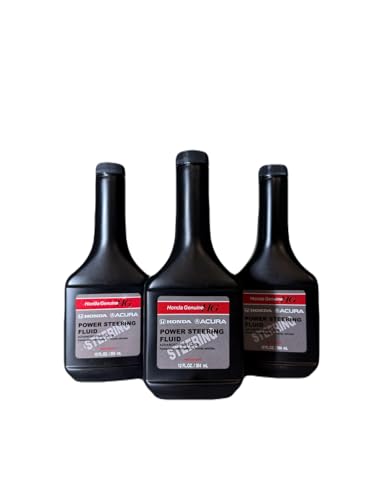
Suitable for all Honda models

50,000 mile fluid life
Step 1: Locate the Power Steering Fluid Reservoir
Locate the power steering fluid reservoir under the hood of your car. It’s usually a small container with a cap labeled with a steering wheel or the words “power steering.”
Step 2: Inspect the Fluid Level
With the engine cool, remove the cap from the power steering fluid reservoir. Use a dipstick or look inside the reservoir to check the current fluid level. The reservoir will have markings indicating the minimum and maximum levels the fluid should reach.
Step 3: Check the Color and Consistency
Inspect the color and consistency of the power steering fluid. Fresh fluid is usually a transparent or light amber color. If the fluid appears dark, gritty, or contains debris, it may be time to replace it.
Step 4: Add Fluid if Needed
If the fluid level is below the minimum mark, you’ll need to add the appropriate type of power steering fluid. Make sure to use the type recommended in your car’s manual and slowly add small amounts at a time to avoid overfilling.
Step 5: Recheck the Fluid Level
After adding fluid, recheck the level to ensure it falls within the designated range. Avoid overfilling as it can lead to foaming and potential damage to the power steering system.
By following these steps regularly, you can proactively maintain your power steering system and address any issues promptly, ensuring smooth and safe driving experiences.
Importance of Maintaining Adequate Power Steering Fluid
Keeping your power steering fluid at the correct level is vital for ensuring optimal performance and longevity of your vehicle’s steering system. Without adequate fluid, your power steering system may experience issues that could lead to difficulties in steering and potential damage. Here’s why maintaining proper power steering fluid levels is crucial:
- Preserves System Functionality: Proper power steering fluid levels help lubricate the system and ensure smooth operation. Inadequate fluid can result in increased friction, leading to premature wear and tear of components.
- Prevents Costly Repairs: Regularly checking and maintaining the power steering fluid level can help detect leaks or issues early on. Addressing these problems promptly can prevent more significant damage that may require expensive repairs.
- Enhances Steering Control: Optimal power steering fluid levels contribute to responsive steering, making it easier for you to control your vehicle, especially during tight turns or maneuvers. In contrast, low fluid levels can cause stiffness in the steering wheel, making it challenging to steer.
- Reduces Wear and Tear: Adequate fluid levels help reduce the strain on the power steering pump and other components. This, in turn, extends the lifespan of these parts, saving you from the inconvenience and cost of premature replacements.
- Ensures Safety: Maintaining the right amount of power steering fluid is essential for your safety on the road. Smooth steering response is critical for avoiding accidents and maintaining control of your vehicle in various driving conditions.
By regularly checking your power steering fluid level and topping it up when necessary, you can proactively maintain your vehicle’s steering system, prevent potential issues, and enjoy a safer and more comfortable driving experience. Remember, a small amount of preventive maintenance can go a long way in keeping your car in top condition.
Recommended Products
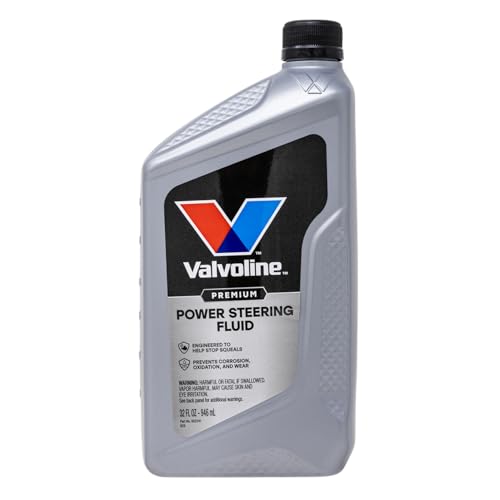

The service solution for ALL European, North American, and Asian vehicles (Honda fluid recommended for Honda/Acura vehicles)
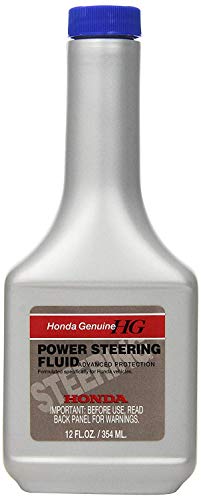
Fits all Honda models
Conclusion
Ensuring your power steering fluid is at the right level is crucial for your vehicle’s performance and safety. By regularly checking and topping up the fluid, you can prevent potential issues, maintain steering control, and extend the lifespan of your steering system. Remember, a small effort in monitoring your power steering fluid can go a long way in keeping you safe on the road. So, make it a habit to check your fluid levels and top up as needed to enjoy a smoother and safer driving experience.
Frequently Asked Questions
What are the signs of low power steering fluid?
When power steering fluid is low, you may notice increased difficulty in steering, a whining noise when turning the steering wheel, or the steering wheel feeling stiff or unresponsive.
Why is it important to regularly check and maintain power steering fluid?
Regularly checking and maintaining power steering fluid levels is crucial to ensure optimal system functionality, prevent costly repairs, maintain steering control, reduce wear and tear, and enhance overall safety while driving.
How does maintaining adequate power steering fluid benefit the steering system?
Maintaining adequate power steering fluid levels helps preserve system functionality, prevent expensive repairs, enhance steering control, reduce component wear, and ensure safe handling on the road.
What should drivers do to proactively manage power steering fluid levels?
Drivers should proactively monitor their power steering fluid levels and top up as needed to maintain the steering system, prevent issues, and enjoy a safe driving experience.
