

Ever wondered why your car’s power steering fluid seems to disappear mysteriously? Imagine cruising down the road, only to find yourself struggling to turn the wheel smoothly. You might be facing a common automotive issue – a power steering fluid leak. But fear not, as understanding the reasons behind this problem can save you time, money, and headaches.
In this article, you’ll uncover the secrets behind power steering fluid leaks. You’ll learn about the potential culprits causing these leaks, from worn-out seals to damaged hoses. By gaining insights into what makes power steering fluid leak, you’ll be equipped to diagnose and address the issue promptly. Stay tuned to discover how you can keep your steering system running smoothly and your car on the road.
Key Takeaways
- Worn-out seals and damaged hoses are common causes of power steering fluid leaks in cars.
- Corrosion in metal components, loose connections, and high pressure can also lead to fluid leakage in the power steering system.
- Regularly inspecting the system, maintaining proper fluid levels, and using the correct fluid are key preventive measures to avoid leaks.
- Checking and tightening connections, avoiding overfilling, and keeping components clean can help maintain a leak-free power steering system.
- Repair options for power steering fluid leaks include seal replacement, hose repair/replacement, fluid reservoir fix, professional inspection/repair, flushing, and regular maintenance.
- Promptly addressing leaks and choosing suitable repair options are crucial for ensuring a smooth and safe driving experience.
Common Causes of Power Steering Fluid Leaks
When it comes to power steering fluid leaks in your car, several factors can contribute to this issue. Understanding these common causes can help you identify and address the problem promptly, ensuring your steering system functions smoothly. Here are key reasons why power steering fluid leaks occur in vehicles:
Recommended Products

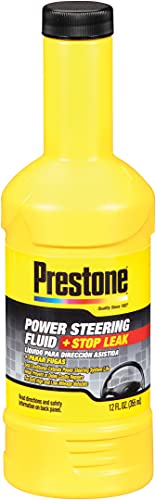
REDUCES NOISE AND SMOOTHES OUT HARD STEERING: A unique dual cavity bottle containing a combination of the best performance additives to repair the most common power steering fluid related problems.

Formulated with a blend of special oils and petroleum-extracted additives

Engineered Stop Leak Protection: Specially formulated to condition and rejuvenate worn seals, helping stop existing leaks and preventing future fluid loss for smoother steering performance
Worn-Out Seals
Old or deteriorated seals within the power steering system can be a primary cause of fluid leaks. Over time, the seals lose their flexibility and ability to maintain a tight seal, leading to fluid seepage.
Damaged Hoses
Cracked, punctured, or loose hoses can result in power steering fluid leakage. Hoses play a crucial role in carrying the steering fluid throughout the system, and any damage to them can cause leaks.
Corroded Components
Corrosion within the power steering system, particularly in metal components such as the pump or lines, can cause leaks. Rust weakens the structure, creating openings for fluid to escape.
Loose Connections
Improperly secured or loose connections between various parts of the steering system can lead to fluid leaks. Ensuring all connections are tight and secure is vital in preventing leaks.
High Pressure
Excessive pressure in the power steering system, often caused by a malfunctioning pump or blockages in the lines, can force the fluid out, resulting in leaks. Monitoring pressure levels is crucial for maintaining the system’s integrity.
Incorrect Fluid Levels
Inadequate power steering fluid levels can impact the system’s functionality, potentially leading to leaks. Regularly checking and maintaining the proper fluid level is essential for preventing leaks.
By being aware of these common causes of power steering fluid leaks in your car, you can proactively inspect your vehicle for any signs of leakage and take the necessary steps to address the issue promptly. Regular maintenance and timely repairs can help keep your steering system in optimal condition, ensuring a safe and smooth driving experience.
Preventive Measures to Avoid Power Steering Fluid Leaks
Inspecting your car regularly is pivotal in preventing power steering fluid leaks. Below are essential steps you can take to maintain a leak-free power steering system and avoid potential issues.
Recommended Products

Formulated with a blend of special oils and petroleum-extracted additives
50,000 mile fluid life
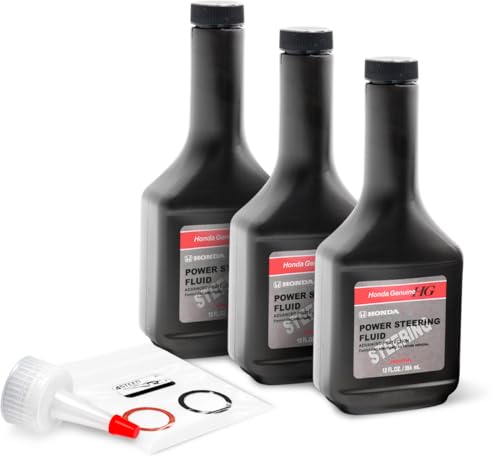
TOP QUALITY / GUARENTEED【Interchange Part Number】: 08206-9002A, 08206-9002, 08206-9002PE, 91345-RP6-A01, 91370-SV4-000, 91370-TA0-000, 91345-R70-P01, 91345-R70-A11, 91345-RDA-A01, 91370-SV4-000, 91345-PDA-E01, 91345-PAA-A01,
Regular System Check-ups
Check your power steering system for any signs of leaks at least once a month. Look for puddles or drips under the car, especially after it has been stationary for some time.
Ensure Proper Fluid Levels
Regularly check the power steering fluid level according to your vehicle manufacturer’s recommendations. Low fluid levels can put a strain on the system and lead to leaks.
Use the Correct Fluid
Always use the recommended power steering fluid for your specific vehicle. Using the wrong type can cause system malfunctions and leaks.
Inspect Hoses and Seals
Periodically inspect hoses and seals for any signs of wear, cracks, or leaks. Replace any damaged components promptly to prevent fluid leakage.
Tighten Connections
Check and tighten all hose connections to ensure they are secure. Loose connections can lead to fluid seepage over time.
Avoid Overfilling
Do not overfill the power steering reservoir beyond the recommended level. Overfilling can lead to excessive pressure within the system, increasing the risk of leaks.
Keep Components Clean
Regularly clean around the power steering system components to prevent the accumulation of dirt and debris, which can cause corrosion and damage, leading to leaks.
Drive Carefully
Avoid driving over rough terrain or hitting obstacles that could damage the power steering system. Gentle driving helps preserve the integrity of the components.
Temperature Consideration
Be mindful of extreme temperatures as they can affect the viscosity of the power steering fluid, potentially causing leaks. Park your vehicle in shaded areas to prevent fluid overheating.
Professional Maintenance
Regularly schedule maintenance appointments with a qualified mechanic to inspect your power steering system thoroughly for any potential issues and address them promptly.
By following these preventive measures, you can maintain a healthy power steering system and reduce the risk of fluid leaks, ensuring a smooth and safe driving experience.
Repair Options for Power Steering Fluid Leaks
Once you’ve identified a power steering fluid leak in your car, it’s essential to address it promptly to prevent further damage. Here are some repair options to consider:
- Seal Replacement
Inspect the seals in the power steering system for any signs of wear or damage. If you notice leaking around the seals, replacing them is a common and effective repair option. You can purchase seal kits designed for your specific vehicle make and model to facilitate the replacement process. - Hose Repair or Replacement
Check the power steering hoses for cracks, bulges, or leaks. If you find any damage, you can choose to repair the hose using a sealant or opt for a complete replacement. Ensure that the replacement hose is compatible with your vehicle’s power steering system. - Fluid Reservoir Fix
Sometimes, leaks can occur due to issues with the power steering fluid reservoir. Inspect the reservoir for cracks or leaks and replace it if necessary. Ensure that the new reservoir is tightly secured to prevent future leaks. - Professional Inspection and Repair
If you’re unsure about the cause of the leak or are not comfortable performing the repairs yourself, it’s best to seek professional help. A certified mechanic can conduct a thorough inspection of the power steering system, identify the source of the leak, and make the necessary repairs to restore optimal functioning. - Flushing and Fluid Replacement
After repairing the leak, consider flushing the power steering system and replacing the fluid. Flushing helps remove any contaminants or debris that may have accumulated due to the leak, ensuring the system operates smoothly. Use the recommended type of power steering fluid for your vehicle. - Regular Maintenance
To prevent future power steering fluid leaks, follow a routine maintenance schedule for your vehicle. Regularly check the power steering system for leaks, inspect hoses and seals, and maintain the proper fluid levels. By staying proactive with maintenance, you can reduce the risk of leaks and prolong the life of your power steering system.
Addressing power steering fluid leaks promptly and choosing the right repair options can help you maintain a smooth and safe driving experience. Whether you opt for DIY repairs or seek professional assistance, ensuring a well-functioning power steering system is vital for vehicle performance and safety.
Recommended Products

Compatible with: This power steering o ring is compatible with 2013-2014 Honda Ridgeline DX RT RTL RTS 3.5L V6, 2012-2013 MDX 3.7L V6, 2012 RDX 2.3L I4, 2012 RDX SH-AWD 2.3L I4. Please confirm the OEM number and model before placing an order
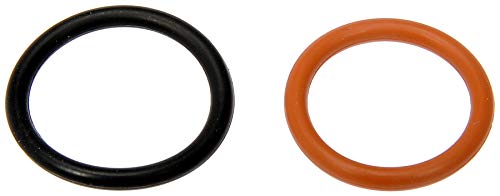
Exact match - these replacement steering pump O-rings are a direct replacement for worn, dry-rotted original equipment components

Saves expense - this power steering pump seal kit enables the replacement of just the failed seals on a leaking power steering pump, saving the expense of purchasing a new pump
Conclusion
Maintaining your car’s power steering system is essential to prevent fluid leaks. Regular checks, timely repairs, and proper maintenance can help you avoid common issues like worn-out seals and damaged hoses. Choosing the right repair options, such as seal replacement or fluid flushing, is key to ensuring a smooth driving experience. Remember, addressing leaks promptly and staying proactive with maintenance will keep your power steering system in top condition. Keep an eye on fluid levels and seek professional help when needed to tackle any leaks effectively. By taking these steps, you can enjoy a safe and hassle-free ride every time.
Frequently Asked Questions
What are the common causes of power steering fluid leaks in cars?
Power steering fluid leaks in cars are commonly caused by worn-out seals, damaged hoses, or incorrect fluid levels. These issues can result in reduced steering performance and potential safety hazards. Regularly checking for leaks and addressing them promptly is essential to maintain the smooth functioning of the power steering system.
What preventive measures can be taken to avoid power steering fluid leaks?
To prevent power steering fluid leaks, car owners should schedule regular system check-ups, ensure proper fluid levels, and follow manufacturer recommendations for maintenance. Additionally, inspecting hoses and seals for signs of wear and tear, and addressing any issues immediately, can help avoid costly repairs and maintain optimal steering performance.
What are the repair options for power steering fluid leaks in cars?
Repair options for power steering fluid leaks include seal replacement, hose repair or replacement, fixing fluid reservoir issues, professional inspection and repair, flushing and fluid replacement. Choosing the right repair option depends on the extent of the leak and the condition of the power steering system. Regular maintenance is crucial to prevent future leaks and ensure a safe driving experience.
