

Ever found yourself staring at the array of power steering fluids at the auto shop, wondering which one is right for your car? Picture this: You’re due for a fluid top-up, but the options seem endless, leaving you scratching your head. How do you choose the right one to keep your steering smooth and responsive?
In this article, we’ve got you covered. Discovering the correct power steering fluid for your vehicle can be a game-changer, ensuring optimal performance and longevity for your steering system. Let’s navigate through the maze of choices together and find the perfect match for your car’s needs.
Key Takeaways
- Choosing the right power steering fluid is crucial for maintaining smooth and responsive steering, preventing issues like increased effort and potential damage.
- Different types of power steering fluids include mineral oil-based, synthetic, ATF, manufacturer-specified, and universal fluids, each catering to specific vehicle requirements.
- Factors to consider when selecting power steering fluid include vehicle compatibility, fluid type, performance requirements, temperature considerations, and compatibility with seals and components.
- Regularly checking and topping off power steering fluid is a vital maintenance task to prevent steering issues and prolong the system’s lifespan.
- Avoid common mistakes such as ignoring manufacturer recommendations, mixing different fluid types, overfilling or underfilling the reservoir, neglecting regular checks, and using contaminated fluid to ensure optimal power steering system performance.
Importance of Power Steering Fluid
Understanding the significance of using the correct power steering fluid is vital for maintaining your vehicle’s steering system’s performance and longevity.
Choosing the right power steering fluid ensures that your steering remains smooth and responsive.
Using the wrong type of fluid can lead to issues such as increased steering effort, noise, and potential damage to the system components.
The proper fluid helps lubricate the power steering pump and other components, preventing wear and tear and ensuring optimal functionality.
Regularly checking and replenishing the power steering fluid as needed is a simple yet crucial maintenance task to keep your steering system in top condition.
By using the recommended fluid for your specific car model, you can help prevent costly repairs and ensure a comfortable driving experience.
Different Types of Power Steering Fluids
When it comes to choosing the right power steering fluid for your car, it’s essential to understand that not all fluids are created equal. Different types of power steering fluids are available in the market, each catering to specific requirements of various vehicle models. Here’s a breakdown of the main types you might encounter:
Recommended Products

The service solution for ALL European, North American, and Asian vehicles (Honda fluid recommended for Honda/Acura vehicles)

Engineered Stop Leak Protection: Specially formulated to condition and rejuvenate worn seals, helping stop existing leaks and preventing future fluid loss for smoother steering performance
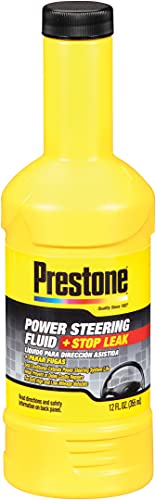
50,000 mile fluid life
Mineral Oil-Based Fluids
Mineral oil-based power steering fluids are the traditional choice and are suitable for older vehicle models. They provide adequate lubrication properties and can help maintain the power steering system’s smooth operation. However, these fluids may not meet the requirements of newer vehicle technologies and might lack the additives necessary for optimal performance.
Synthetic Fluids
Synthetic power steering fluids are designed to meet the more advanced needs of modern vehicles. They offer enhanced lubrication, thermal stability, and improved compatibility with different materials used in steering system components. Using synthetic fluids can help protect your power steering system against wear and corrosion, ensuring longevity and optimal performance.
ATF (Automatic Transmission Fluid)
Some vehicles are compatible with using automatic transmission fluid (ATF) as a substitute for specific power steering fluids. ATF is formulated to work in hydraulic systems and provides adequate lubrication and heat resistance. It’s crucial to check your car’s manual to verify if ATF is a suitable option, as not all vehicles can safely use it in the power steering system.
Manufacturer-Specified Fluids
For the most precise compatibility and performance, it’s recommended to use power steering fluids recommended by your vehicle’s manufacturer. These fluids are specifically formulated to meet the exact requirements of your car’s steering system, ensuring seamless operation and preventing potential issues that may arise from using the wrong type of fluid.
Universal Power Steering Fluids
Some universal power steering fluids claim to be compatible with a wide range of vehicle models. While these options can be convenient, it’s essential to verify their compatibility with your specific car make and model to avoid any adverse effects on the power steering system.
Understanding the different types of power steering fluids available can help you make an informed decision when choosing the right fluid for your car. Always refer to your vehicle’s manual or consult with a professional to ensure you select the most suitable fluid to maintain your power steering system’s efficiency and longevity.
Factors to Consider When Choosing Power Steering Fluid
When selecting the right power steering fluid for your vehicle, you should consider the following factors:
Recommended Products
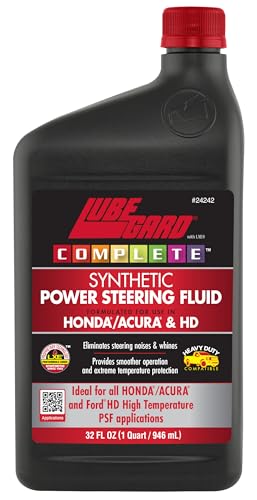
For use in all HONDA & ACURA power steering systems including 2007 & up vehicles that require a fully synthetic formula

ALL ASIAN CAR COVERAGE: Fully compatible with all Asian vehicles, including Subaru, Honda, Toyota, Lexus, Acura, Nissan, Kia, Mitsubishi and many others.

REDUCES NOISE AND SMOOTHES OUT HARD STEERING: A unique dual cavity bottle containing a combination of the best performance additives to repair the most common power steering fluid related problems.
1. Vehicle Compatibility
Ensure that the power steering fluid you choose is compatible with your car’s make and model. Different vehicles may have specific requirements regarding the type of fluid they can use. Always refer to your vehicle’s manual or consult with a professional for guidance on the correct fluid for your car.
2. Fluid Type
Consider the type of power steering fluid needed for your vehicle. Options range from mineral oil-based fluids suitable for older cars to synthetic fluids designed for modern vehicles with advanced power steering systems. Select a fluid that meets the specifications recommended by your car’s manufacturer to maintain optimal performance.
3. Performance Requirements
Take into account the performance requirements of your vehicle’s power steering system. If your car has specific performance needs, such as improved cold-weather performance or enhanced lubrication, opt for a fluid that addresses these requirements. Synthetic fluids are often preferred for their superior performance in various conditions.
4. Temperature Considerations
Factor in the climate and temperature conditions in which you typically drive your vehicle. Choose a power steering fluid that can perform effectively in the temperature range prevalent in your area. Some fluids are formulated to provide better performance in extreme temperatures, ensuring smooth operation of the steering system year-round.
5. Seals and Components Compatibility
Consider the compatibility of the power steering fluid with the seals and components of your car’s steering system. Using an incompatible fluid can potentially damage seals and other components, leading to leaks and system malfunctions. Opt for a fluid that is safe for all the components in your power steering system.
By carefully considering these factors when choosing power steering fluid, you can ensure smooth operation, longevity, and optimal performance of your vehicle’s steering system. Always prioritize the specific needs of your car and follow manufacturer recommendations for the best results.
How to Check and Top Off Power Steering Fluid
To ensure your vehicle’s power steering system functions optimally, it’s crucial to regularly check and top off the power steering fluid. Here’s a simple guide to help you maintain your power steering system efficiently:
Recommended Products

CQ347367 power steering reservoir cap compatible with Freightliner Kenworth FL112 2003 2004、FL50 2003 to 2005、FL120 2003 to 2007、FLD120SD 2005 to 2007、FLD132 2003 to 2007 、T270、T370、2011 to 2021year.
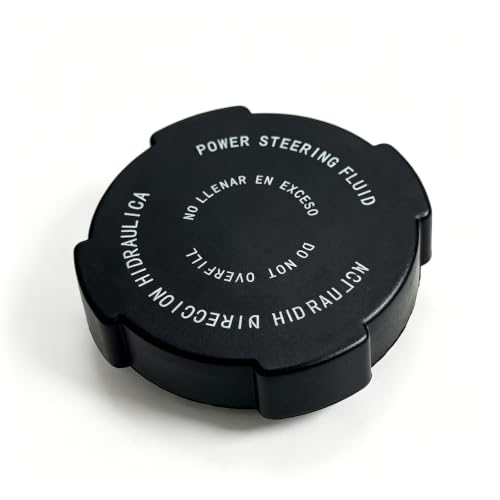
【Wide Compatibility 】Power steering reservoir cap replaces 99979, 49180JA000, 491818B400. Fits Infiniti QX56 2004-2010, Nissan Altima 2000-2013, Armada 2005-2018, Frontier 1998-2019, Maxima 2003-2014, Pathfinder 2004-2012, Quest 2004-2009, Sentra 2000-2006, Titan 2004-2019, Titan XD 2016-2019, Xterra 2000-2015

Compatible Models: Power steering reservoir cap is fit for ACURA CL 1997-2003,ACURA INTEGRA 1986-2001,ACURA MDX 2001-2013,ACURA RDX 2007-2013,ACURA RL 1996-2012 ,ACURA RSX 2002-2006,ACURA TL 1995-2008,ACURA TSX 2004-2008,ACURA VIGOR 1992-1994,Honda ACCORD 1986-2012,Honda ACCORD CROSSTOUR 2010-2011,HONDA CIVIC 1984-2011,HONDA CIVIC DEL SOL 1993-1997,HONDA CR-V 1997-2011,Honda CROSSTOUR 2012,Honda ODYSSEY 1995-2019,BenTian PILOT 2003-2018,Honda PRELUDE 1983-2001,Honda RIDGELINE In 2006-2014
1. Park Your Car on a Level Surface
Before inspecting the power steering fluid, park your car on a flat surface and turn off the engine. This helps prevent any accidental movement and ensures an accurate fluid level check.
2. Locate the Power Steering Fluid Reservoir
The power steering fluid reservoir is typically a small, plastic container located near the engine. Consult your owner’s manual if you’re having trouble finding it. Once located, you can proceed with checking the fluid level.
3. Check the Fluid Level
Most power steering reservoirs have “Min” and “Max” markings. The fluid level should be between these marks. If it’s below the “Min” mark, it’s time to top off the fluid.
4. Clean the Reservoir Cap
Before opening the reservoir, clean the area around the cap. This prevents dirt or debris from contaminating the fluid when you open it.
5. Top Off the Fluid
Carefully open the reservoir cap and add the recommended power steering fluid. Remember to use the correct type of fluid based on your vehicle’s specifications. Slowly pour the fluid to avoid spillage.
6. Recheck the Fluid Level
After adding fluid, recheck the level to ensure it’s between the “Min” and “Max” markings. Do not overfill the reservoir, as this can lead to issues with the power steering system.
7. Securely Close the Cap
Once you have topped off the fluid to the correct level, securely tighten the reservoir cap. This helps maintain the fluid’s cleanliness and prevents leaks.
Regularly checking and topping off the power steering fluid is a simple yet crucial maintenance task that can help prevent steering issues and prolong the life of your vehicle’s power steering system. By following these steps, you can ensure smooth and responsive steering performance in your car.
Common Mistakes to Avoid When Adding Power Steering Fluid
When it comes to maintaining your vehicle’s power steering system, there are some common mistakes to steer clear of to ensure smooth operation and longevity. Here are some pitfalls to avoid when adding power steering fluid:
Ignoring Manufacturer Recommendations
One of the biggest mistakes you can make is ignoring the manufacturer’s recommendations for the type of power steering fluid to use. Using the wrong fluid can lead to poor performance, leaks, or even damage to the system. Always consult your vehicle’s manual or contact the manufacturer to determine the correct fluid type for your specific make and model.
Mixing Different Types of Fluids
Mixing different types of power steering fluids is a no-go. Each fluid type has its own formulation and mixing them can cause chemical reactions, leading to system malfunctions. Ensure you use a single type of fluid recommended for your vehicle to maintain optimal performance and protect your power steering components.
Overfilling or Underfilling the Reservoir
Adding too much or too little power steering fluid can have adverse effects on your steering system. Overfilling can lead to leaks and increased pressure, while underfilling can result in inadequate lubrication and potential air pockets in the system. Always follow the proper fluid level guidelines to keep your power steering system functioning correctly.
Neglecting Regular Checks
Failing to check your power steering fluid level regularly is a common oversight. Regular checks can help you identify leaks, low fluid levels, or contamination early on. Make it a habit to inspect your power steering fluid as part of your routine vehicle maintenance to catch any issues before they escalate.
Using Contaminated Fluid
Using contaminated power steering fluid can introduce debris, dirt, or air into the system, causing blockages and affecting performance. Ensure that the fluid you add is clean and free from impurities by using a clean funnel and sealed containers to prevent contamination.
By avoiding these common mistakes and following best practices for adding power steering fluid, you can maintain your steering system’s efficiency and prolong its lifespan, ensuring a safer and smoother driving experience.
Conclusion
Selecting the right power steering fluid is crucial for your vehicle’s steering system performance. Whether your car requires mineral oil-based, synthetic, ATF, manufacturer-specified, or universal fluid, choosing the correct type is key. Avoid common mistakes like mixing fluids or neglecting regular checks to maintain optimal efficiency and longevity. By following best practices and steering clear of errors, you can ensure a safer and smoother driving experience. Remember, regular maintenance of power steering fluid is essential to prevent steering issues and prolong the lifespan of your steering system. Keep your fluid levels in check and use the recommended type to enjoy responsive steering in your vehicle.
Frequently Asked Questions
What type of power steering fluid should I use for my vehicle?
Choose the right power steering fluid based on your car’s specifications. Older cars may require mineral oil-based fluids, while modern vehicles often use synthetic fluids. Some cars can also use ATF as a substitute. Refer to your car manufacturer’s recommendations for the best fluid type.
How do I check and top off power steering fluid?
Locate the power steering fluid reservoir under the hood. When the engine is cool, remove the cap to check the level. Add fluid to the specified level if it’s low, using the correct type. Avoid overfilling and follow the manufacturer’s guidelines for topping off.
What are common mistakes to avoid when adding power steering fluid?
Avoid mixing different types of fluids, overfilling or underfilling the reservoir, neglecting regular checks, and using contaminated fluid. Always adhere to the manufacturer’s recommendations and follow proper procedures for adding and maintaining power steering fluid.
