

Ever wondered what would happen if your car suddenly lost its power steering ability? Picture this: you’re cruising down the road, only to find that steering your vehicle has become a Herculean task. That’s the reality when you’re running low on or completely out of power steering fluid.
In this article, you’ll discover the crucial role that power steering fluid plays in ensuring smooth and effortless steering. From the potential dangers of driving without it to the warning signs that indicate a fluid shortage, you’ll gain valuable insights to keep your vehicle running smoothly. Stay tuned to learn how a simple fluid can make a world of difference in your driving experience.
Key Takeaways
- Power steering fluid is crucial for smooth and effortless steering, aiding in low-speed maneuvers and tight turns.
- Maintaining proper fluid levels is essential to prevent damage to steering components and costly repairs.
- Symptoms of low fluid include increased steering effort, whining noises, jerky steering, fluid leaks, dashboard warnings, and discolored fluid.
- Driving without enough fluid can lead to increased steering effort, component damage, system malfunctions, fluid leaks, dashboard warnings, and contaminated fluid.
- Regularly checking and refilling power steering fluid is necessary to avoid risks and ensure optimal steering performance.
- Checking and refilling fluid involves locating the reservoir, checking the level and condition of the fluid, refilling as needed, and rechecking the level after circulation.
The Importance of Power Steering Fluid
Ensuring your vehicle has an adequate amount of power steering fluid is crucial for a smooth and effortless driving experience. This simple yet vital fluid plays a significant role in aiding steering mechanisms, making it easier for you to control your car, especially during low-speed maneuvers and tight turns.
Without enough power steering fluid, steering your vehicle can become incredibly challenging. The power steering system relies on this fluid to provide hydraulic assistance, reducing the effort required to turn the steering wheel. When the fluid level is low or depleted, you may notice increased resistance when turning, requiring more muscle power to navigate corners or park your car.
Moreover, insufficient power steering fluid can lead to potential damage to the power steering pump, rack, and other components of the steering system. Over time, this can result in expensive repairs or replacements, impacting both your safety on the road and your wallet.
To prevent these issues, it’s essential to regularly check your power steering fluid levels and top them up if necessary. Be attentive to any warning signs, such as difficulty turning the steering wheel, strange noises when steering, or leaking fluid under your vehicle. Addressing these indicators promptly can help avoid more significant problems down the road.
Maintaining the proper level of power steering fluid in your vehicle is not just about convenience—it’s a vital aspect of ensuring your safety, prolonging the life of your steering system, and preserving the overall performance of your car. By prioritizing the health of your power steering system, you’ll enjoy a smoother and more controlled driving experience every time you hit the road.
Symptoms of Low Power Steering Fluid
Maintaining the correct level of power steering fluid in your vehicle is crucial for optimal steering performance. Without an adequate amount of power steering fluid, several symptoms may manifest, indicating potential issues with your car’s steering system. Here are some common signs to watch out for:
- Increased Steering Effort: You might notice that turning the steering wheel becomes harder than usual. This increased resistance can make maneuvering your vehicle more challenging, especially during low-speed driving or when navigating tight corners.
- Whining or Groaning Noises: If you hear unusual noises, such as a whining or groaning sound when turning the steering wheel, it could be a sign of low power steering fluid. These sounds may indicate that the power steering pump is not receiving sufficient lubrication, causing it to work harder and produce noise.
- Jerky or Unresponsive Steering: When the power steering system lacks fluid, you may experience jerky or inconsistent steering responses. Your vehicle might feel more difficult to control, with the steering wheel not responding smoothly to your inputs.
- Fluid Leaks: Check for any visible signs of power steering fluid leaks under your car. Puddles or drips of fluid on the ground near the front of your vehicle could indicate a leak in the power steering system, leading to a drop in fluid levels.
- Dashboard Warning Light: Some modern vehicles are equipped with a dashboard warning light that illuminates when there is a problem with the power steering system. If this light comes on, it’s essential to address the issue promptly to prevent further damage.
- Foamy or Discolored Fluid: When inspecting the power steering fluid reservoir, if you notice that the fluid appears foamy or has a dark or discolored hue, it may indicate contamination or aeration due to low fluid levels. In such cases, flushing and refilling the power steering system could be necessary.
If you observe any of these symptoms of low power steering fluid in your vehicle, it’s important to address the issue promptly to prevent potential damage to the steering components and ensure safe driving conditions. Regularly checking and maintaining adequate power steering fluid levels can help you avoid costly repairs and maintain optimal steering performance.
Recommended Products

Engineered Stop Leak Protection: Specially formulated to condition and rejuvenate worn seals, helping stop existing leaks and preventing future fluid loss for smoother steering performance
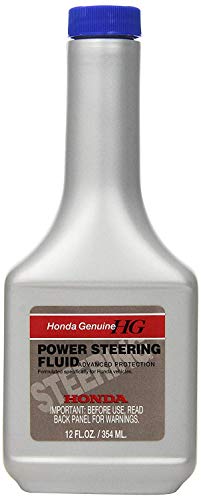
Fits all Honda models

50,000 mile fluid life
Risks of Driving Without Power Steering Fluid
Neglecting your power steering fluid can pose serious risks to both your vehicle’s steering system and your driving experience. Without an adequate level of power steering fluid, you may encounter the following issues:
- Increased Steering Effort: When you don’t have enough power steering fluid, turning the steering wheel becomes much harder. You’ll find it challenging to maneuver your vehicle, especially at lower speeds or when parking.
- Potential Damage to Components: Insufficient power steering fluid can lead to increased stress on the steering system components. This added pressure can result in premature wear and tear on vital parts, affecting the overall performance and safety of your vehicle.
- Steering System Malfunctions: Driving without proper power steering fluid can cause your steering system to malfunction. This can manifest as jerky or unresponsive steering, making it difficult to maintain control of your car, particularly in critical situations.
- Fluid Leaks: A lack of power steering fluid can lead to leaks in the system. These leaks not only contribute to a loss of steering assistance but also create a potential safety hazard due to fluid spillage on the road.
- Dashboard Warnings: Modern vehicles are equipped with warning lights to alert you to potential issues. Insufficient power steering fluid can trigger these dashboard warnings, indicating a problem that requires immediate attention to prevent further damage.
- Discolored Fluid: If you notice that your power steering fluid is discolored or has a burnt smell, it could be a sign of contamination or breakdown due to low levels. Addressing this promptly is essential to prevent more significant issues.
To avoid these risks and maintain optimal steering performance, it’s crucial to regularly check your power steering fluid levels and top them up as needed. By staying vigilant and ensuring that your vehicle has an adequate supply of power steering fluid, you can prevent costly repairs and enjoy a smoother, more controlled driving experience.
Recommended Products

REDUCES NOISE AND SMOOTHES OUT HARD STEERING: A unique dual cavity bottle containing a combination of the best performance additives to repair the most common power steering fluid related problems.

Formulated with a blend of special oils and petroleum-extracted additives

How to Check and Refill Power Steering Fluid
To maintain optimal steering performance and prevent potential damage to your vehicle’s steering system, it’s crucial to regularly check and refill the power steering fluid. Here’s a straightforward guide on how to do it:
- Locate the Power Steering Fluid Reservoir
- Identify the power steering fluid reservoir under the hood. It’s usually a small plastic or metal container labeled with a steering wheel or “power steering fluid.”
- Check the Fluid Level
- With the engine off, remove the reservoir cap and wipe the dipstick clean. Reinsert the dipstick all the way in and then pull it out to check the level. Ensure it falls within the designated “Min” and “Max” marks on the dipstick.
- Inspect the Fluid Condition
- Take a close look at the color of the fluid. It should typically be a transparent or slightly amber color. Dark or discolored fluid may indicate contamination and the need for a fluid change.
- Refill the Fluid if Necessary
- If the fluid level is below the “Min” mark or if you notice any signs of contamination, it’s time to add more fluid. Use the recommended type of power steering fluid for your vehicle, pouring it slowly to prevent overfilling.
- Recheck the Level
- After adding fluid, reinsert the dipstick, secure the reservoir cap, and start the engine. Turn the steering wheel from side to side a few times to allow the new fluid to circulate. Turn off the engine and recheck the fluid level to ensure it’s within the optimal range.
By following these simple steps to check and refill your power steering fluid regularly, you’ll help maintain smooth steering operation, prolong the life of your steering system, and ensure a safer driving experience. Remember, proper maintenance is key to keeping your vehicle in top condition.
Recommended Products

Part Number:FGQ347137, 5839Q347137, Q347137

CQ347367 power steering reservoir cap compatible with Freightliner Kenworth FL112 2003 2004、FL50 2003 to 2005、FL120 2003 to 2007、FLD120SD 2005 to 2007、FLD132 2003 to 2007 、T270、T370、2011 to 2021year.

Direct replacement - this power steering fluid reservoir fits and functions like original equipment for a trouble-free installation
Conclusion
Ensuring your vehicle has an adequate level of power steering fluid is essential for maintaining smooth and effortless steering. Driving without enough fluid can lead to increased steering effort and potential damage to steering components. By understanding the symptoms of low fluid levels and following the guide on checking and refilling power steering fluid, you can prevent issues and promote safe driving conditions. Remember, regular maintenance is key to optimal steering performance, prolonging your steering system’s life, and ensuring a safer driving experience. Take care of your power steering system, and it will take care of you on the road.
Frequently Asked Questions
What is the importance of power steering fluid in a vehicle?
Power steering fluid is essential for smooth and easy steering, especially during low-speed maneuvers and tight turns. It helps reduce steering effort, ensuring a comfortable driving experience.
What are the consequences of driving with insufficient power steering fluid?
Driving with low power steering fluid can lead to increased steering resistance, whining noises when turning the wheel, and potential damage to steering components due to increased friction.
How can I tell if my power steering fluid levels are low?
Symptoms of low power steering fluid include increased steering effort, whining noises when turning, and visible fluid leaks under the vehicle.
How do I check and refill power steering fluid in my vehicle?
To check and refill power steering fluid, locate the reservoir under the hood, remove the cap, and check the fluid level. Use the recommended fluid type to top off as needed, ensuring not to overfill.
