

Ever found yourself struggling to steer smoothly while driving? Imagine the frustration of wrestling with your car’s steering wheel, only to realize it’s low on power steering fluid. Don’t worry; you’re not alone in facing this common issue. But fret not, as we’ve got you covered with a simple solution that’ll have you back on the road with ease.
Key Takeaways
- Maintaining the proper level of power steering fluid is crucial for smooth and safe driving, preventing issues like increased steering effort or system failure.
- Regularly check and top up power steering fluid to extend the lifespan of your vehicle’s steering system and avoid costly repairs.
- Consult your vehicle’s manual for specific instructions on checking and adding power steering fluid as procedures may vary between car models.
- To check power steering fluid level, park on a flat surface, locate the reservoir, check levels between “MIN” and “MAX” marks, add fluid carefully, and recheck levels after testing the steering.
- Safety precautions like wearing gloves and protective eyewear, using the right fluid, checking for leaks, adding fluid gradually, and checking for bubbles are essential when adding power steering fluid.
- Regularly checking power steering fluid levels and addressing fluctuations promptly can help maintain optimal performance and ensure a comfortable driving experience.
Importance of Power Steering Fluid Maintenance
Maintaining the proper level of power steering fluid in your vehicle is crucial for ensuring smooth and effortless steering while driving. Without an adequate amount of power steering fluid, you may experience difficulty turning the steering wheel, leading to a less enjoyable and potentially unsafe driving experience.
Regularly checking and topping up your power steering fluid is essential to prevent damage to the power steering system, which can be costly to repair. By keeping the fluid at the recommended level, you help ensure that the power steering components operate smoothly and efficiently, extending the lifespan of your vehicle’s steering system.
Neglecting power steering fluid maintenance can result in increased steering effort, noisy steering operations, or even complete power steering system failure, leaving you stranded and facing a considerable repair bill. By taking a few minutes to check and maintain your power steering fluid regularly, you can avoid these issues and enjoy a hassle-free driving experience.
Remember, it’s always recommended to consult your vehicle’s owner’s manual for specific instructions on checking and adding power steering fluid as procedures may vary between different car models. Proper maintenance of your power steering fluid is a simple yet crucial task that can make a significant difference in your driving comfort and safety.
Steps to Check Power Steering Fluid Level
To ensure your car’s power steering system functions smoothly, it’s vital to regularly monitor the power steering fluid level. Following these simple steps will help you maintain the correct amount of power steering fluid:
- Park Your Car: Firstly, park your car on a flat surface and let the engine cool down for a few minutes. It’s essential to check the power steering fluid when the engine is cold.
- Locate the Power Steering Fluid Reservoir: Open the hood of your car and find the power steering fluid reservoir. It is usually a small plastic or metal container located near the engine.
- Check the Fluid Level: Look for the “MIN” and “MAX” markings on the side of the reservoir. The power steering fluid level should be between these marks. If it’s below the “MIN” mark, you need to add more fluid.
- Clean the Reservoir Cap: Before opening the reservoir, use a clean rag to wipe the cap and the area around it. This prevents dirt or debris from falling into the reservoir when you add fluid.
- Add Power Steering Fluid: Carefully open the reservoir cap. If you need to top up the fluid, pour a small amount into the reservoir. It’s crucial not to overfill, so add a little at a time and recheck the level.
- Recheck the Fluid Level: After adding fluid, put the reservoir cap back on securely. Start your car and turn the steering wheel from left to right a few times. Then, turn off the engine and recheck the fluid level.
- Final Inspection: Ensure the fluid level is within the “MIN” and “MAX” marks. If it’s at the correct level, you’ve successfully checked and topped up the power steering fluid. If not, repeat the process until it reaches the optimal level.
Regularly checking and maintaining the power steering fluid level will keep your steering system in top condition, ensuring a safe and comfortable driving experience.
Recommended Products

Engineered Stop Leak Protection: Specially formulated to condition and rejuvenate worn seals, helping stop existing leaks and preventing future fluid loss for smoother steering performance
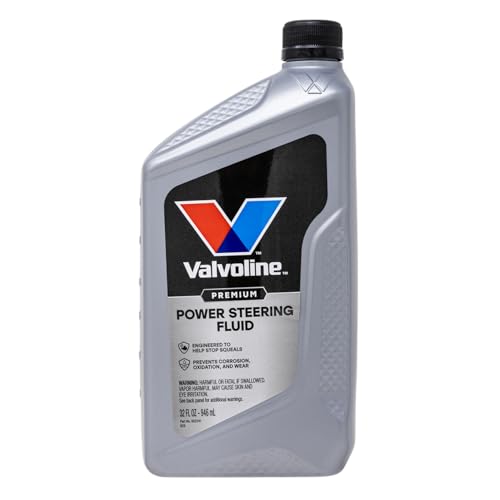

The exact Original Equipment Manufacturer fluid that your vehicle came with; helps stop squeals while preventing corrosion, oxidation and wear
Steps to Add Power Steering Fluid
To properly fill your car’s power steering fluid, follow these straightforward steps:
- Locate the Reservoir
- Park your car on a level surface and let the engine cool down.
- Identify the power steering fluid reservoir; it’s typically a small plastic or metal container near the engine.
- Check the Fluid Level
- Remove the reservoir cap and wipe the dipstick clean.
- Insert the dipstick back in and pull it out to check the level; it should be between the “MIN” and “MAX” marks.
- Add Fluid Carefully
- If the level is low, slowly pour the recommended power steering fluid into the reservoir. Check your car’s manual for the correct type of fluid.
- Recheck and Test
- After adding fluid, replace the cap securely.
- Start the engine and turn the steering wheel from one lock to another a few times.
- Turn off the engine and recheck the fluid level; top up if needed to reach the optimal range.
Remember, maintaining the proper power steering fluid level is essential for smooth and safe driving. By following these steps regularly, you can ensure your car’s steering system operates at its best and enjoy a comfortable driving experience.
Recommended Products

Direct replacement - this power steering fluid reservoir fits and functions like original equipment for a trouble-free installation

[Vehicle Fitment]: Compatible with Infiniti G35 2007 (Coupe;without Active Steering), G35 2003-2006, M35 2006-2008, QX56 2013, QX80 2014-2022; Compatible Nissan 350Z 2003-2007 (Before 11/2006), Armada 2017-2020 V8 5.6L, NV1500 2012-2021 V6 4.0L, NV2500/NV3500 2012-2021

Fitment: The Power Steering Reservoir Cap is compatible with Chevrolet, Buick, GMC, or Cadillac vehicle. Direct‑fit power steering reservoir cap, replaces old, cracked, leaking or missing factory cap to stop power‑steering fluid loss.
Precautions and Tips
When adding power steering fluid to your car, there are some essential precautions and tips to keep in mind to ensure a smooth and effective process. Here are the key points you should consider:
1. Safety First
- Before starting the process, make sure the engine is off and the car is parked on a flat surface to prevent any accidents or spills.
- Always wear gloves and protective eyewear to safeguard yourself from any potential splashes or skin irritation.
2. Use the Right Fluid
- Check your vehicle’s manual to identify the correct type of power steering fluid recommended by the manufacturer.
- Ensure that the fluid you are adding is clean and free from any contaminants that could affect the steering system’s performance.
3. Inspect for Leaks
- Before adding new fluid, inspect the power steering system for any signs of leaks, such as puddles under the car or damp spots on hoses.
- Address any leaks promptly to prevent the loss of fluid and potential damage to the steering components.
4. Add Fluid Gradually
- Carefully pour the power steering fluid into the reservoir a little at a time to avoid overfilling.
- Check the fluid level frequently during the process to ensure it remains within the recommended range.
5. Check for Bubbles
- After adding the fluid, start the engine and turn the steering wheel from lock to lock a few times to release any air bubbles trapped in the system.
- Recheck the fluid level and top up if necessary to maintain the proper amount of fluid for optimal performance.
- Make it a habit to check your power steering fluid level regularly, especially before long trips, to ensure a safe and comfortable driving experience.
- Address any fluctuations in fluid levels promptly to avoid steering issues and maintain the efficiency of the power steering system.
By following these precautions and tips, you can confidently add power steering fluid to your car’s system and keep it running smoothly for enhanced driving performance. Remember, proper maintenance is key to ensuring your vehicle’s steering remains responsive and reliable.
Recommended Products

REDUCES NOISE AND SMOOTHES OUT HARD STEERING: A unique dual cavity bottle containing a combination of the best performance additives to repair the most common power steering fluid related problems.

Formulated with a blend of special oils and petroleum-extracted additives

Formulated with a blend of special oils and petroleum-extracted additives
Conclusion
Ensuring your car’s power steering fluid is at the correct level is essential for smooth and safe driving. By following the steps outlined in this article, you can easily maintain the proper fluid level and keep your steering system in top condition. Remember to check for leaks, use the right type of fluid, and monitor the level regularly. These simple precautions will help you avoid steering issues and ensure a comfortable driving experience. Stay proactive in caring for your power steering system to enjoy hassle-free drives.
Frequently Asked Questions
What is the importance of maintaining the proper level of power steering fluid in a car?
Maintaining the proper level of power steering fluid is crucial to avoid steering difficulties and ensure smooth steering operation.
How can I check and maintain the power steering fluid level in my car?
To check and maintain the power steering fluid level, follow these steps:
- Locate the power steering fluid reservoir.
- Check the fluid level against the markings on the reservoir.
- Top up with the recommended fluid if low.
What precautions should I take when adding power steering fluid?
When adding power steering fluid, remember these precautions:
- Use the correct type of fluid recommended for your car.
- Check for any leaks in the system before adding more fluid.
- Add the fluid gradually to prevent overfilling.
