

Do you ever struggle to make smooth turns while driving? Picture this: you’re on the road, trying to navigate a curve, but it feels like your steering wheel is putting up a fight. Could it be that your car is trying to tell you something?
Imagine the relief of knowing when your car needs power steering fluid before it leads to bigger issues. In this article, you’ll discover simple ways to check if your vehicle is running low on this essential fluid.
By learning these key signs, you’ll not only ensure your safety on the road but also potentially save yourself from costly repairs down the line. Let’s dive into how to decode your car’s subtle messages and keep your steering smooth and effortless.
Key Takeaways
- Signs of low power steering fluid include difficulty turning, whining noise, fluid leaks, steering wheel vibrations, dashboard warning light, and foamy fluid.
- Regularly check the power steering fluid level to ensure optimal functioning and prevent damage to the system.
- Inspect power steering fluid quality by checking color, clarity, smell, foam, and level to maintain smooth steering performance.
- Possible causes of low power steering fluid include leaks, worn-out components, lack of maintenance, incorrect fluid type, evaporation, and overworked system.
- Adding power steering fluid is a simple process involving identifying the reservoir, checking the level, adding the fluid, securely closing the cap, testing the system, and conducting regular maintenance checks.
Signs of Low Power Steering Fluid
When it comes to the health of your car, keeping an eye out for signs of low power steering fluid is crucial. Here are some common indicators that your power steering fluid might be running low:
- Difficulty Turning: If you’re finding it harder to turn the steering wheel, especially at lower speeds or when parking, it could be a sign of low power steering fluid.
- Whining Noise: A whining or groaning noise when you turn the steering wheel can signal a lack of fluid lubricating the power steering pump.
- Fluid Leaks: Check under your car for any signs of red or brown fluid leaks, as power steering fluid is usually reddish or light brown in color.
- Steering Wheel Vibrations: If you feel vibrations in the steering wheel while turning, it could indicate inadequate fluid levels affecting the steering system’s smooth operation.
- Dashboard Warning Light: Some modern vehicles have a dashboard light that illuminates when there’s a problem with the power steering system, including low fluid levels.
- Foamy Fluid: When checking the power steering fluid reservoir, if you notice foamy or aerated fluid instead of the usual smooth consistency, it may be due to low fluid levels.
Knowing these signs can help you address the issue promptly, ensuring your power steering system functions optimally and enhancing your overall driving experience.
Recommended Products

One application of oil and fuel system UV leak detection dye

REDUCES NOISE AND SMOOTHES OUT HARD STEERING: A unique dual cavity bottle containing a combination of the best performance additives to repair the most common power steering fluid related problems.
50,000 mile fluid life
Checking Power Steering Fluid Level
To ensure your car’s power steering system functions optimally, it’s essential to regularly check the power steering fluid level. Here’s how you can check it:
Recommended Products

Direct replacement - this power steering fluid reservoir fits and functions like original equipment for a trouble-free installation

[Vehicle Fitment]: Compatible with Infiniti G35 2007 (Coupe;without Active Steering), G35 2003-2006, M35 2006-2008, QX56 2013, QX80 2014-2022; Compatible Nissan 350Z 2003-2007 (Before 11/2006), Armada 2017-2020 V8 5.6L, NV1500 2012-2021 V6 4.0L, NV2500/NV3500 2012-2021

Fitment: The Power Steering Reservoir Cap is compatible with Chevrolet, Buick, GMC, or Cadillac vehicle. Direct‑fit power steering reservoir cap, replaces old, cracked, leaking or missing factory cap to stop power‑steering fluid loss.
Inspecting the Reservoir Location
- Locate the power steering fluid reservoir under the hood of your car. It’s usually a small plastic or metal container near the front of the engine compartment.
Verifying the Fluid Level
- Park your car on a flat surface and ensure the engine is off.
- Open the hood of your car and find the power steering fluid reservoir.
- Clean the reservoir cap and surrounding area to prevent debris from entering the reservoir.
- Remove the cap of the power steering fluid reservoir. Some caps have dipsticks attached to measure the fluid level, while others have markings on the side of the reservoir.
- Check the current fluid level. It should be between the minimum and maximum marks on the dipstick or reservoir. If it’s below the minimum mark, you’ll need to add more fluid.
- Use the type of power steering fluid recommended in your car’s manual.
- Slowly pour a small amount of fluid into the reservoir.
- Recheck the fluid level to ensure it’s within the acceptable range.
- Securely replace the reservoir cap.
Regularly monitoring and maintaining the power steering fluid level in your car ensures smooth and responsive steering, preventing potential damage to the power steering system. By following these simple steps, you can easily determine if your car needs power steering fluid and take the necessary action to keep your vehicle running smoothly.
Inspecting Power Steering Fluid Quality
When it comes to ensuring your car’s steering system works smoothly, inspecting the power steering fluid quality is crucial. Here’s how you can effectively check the condition of your power steering fluid:
- Locate the Power Steering Reservoir: Begin by locating the power steering fluid reservoir under the hood of your car. The reservoir is typically a small, clear plastic or metal container labeled with a steering wheel icon.
- Check the Fluid Color: Take out the dipstick or look inside the reservoir to assess the color of the fluid. Fresh power steering fluid is usually bright red, while older fluid may appear darker or even have a brownish tint.
- Assess the Fluid Level: Ensure the fluid is within the recommended range indicated on the dipstick or the reservoir itself. If the level is below the minimum mark, it’s a sign that your car may be low on power steering fluid.
- Observe the Fluid’s Clarity: Healthy power steering fluid is transparent and free of debris. If you notice any cloudiness, foaming, or particles in the fluid, it may indicate contamination or the need for a fluid change.
- Smell the Fluid: While power steering fluid typically has a distinct odor, a burnt smell could indicate overheating or a problem within the system. If you detect a burnt odor, it’s advisable to have your car inspected by a mechanic.
- Check for Foam: Examine the fluid for any foam or bubbles, which might suggest air is entering the system. Air in the power steering system can lead to decreased performance and potential damage.
By regularly inspecting the quality of your power steering fluid using these simple steps, you can maintain optimal steering performance, prolong the life of your power steering system, and ensure a comfortable driving experience. If you notice any irregularities during the inspection, consider consulting a professional mechanic for further evaluation and maintenance.
Possible Causes of Low Power Steering Fluid
To maintain optimal steering performance and avoid potential issues, it’s crucial to understand the possible causes of low power steering fluid levels in your vehicle.
Power Steering Leak
Leaking power steering fluid is a common cause of low levels. Over time, seals or hoses in the power steering system can degrade, leading to fluid leaks. If you notice a puddle of red or brown fluid under your car, it could indicate a power steering leak.
Worn-Out Components
Worn-out components like the power steering pump or steering rack can also result in a decrease in power steering fluid levels. These parts can develop leaks or cracks, causing fluid to escape and lowering the overall fluid volume in the system.
Lack of Maintenance
Neglecting regular checks and maintenance of your power steering system can lead to low fluid levels. Without routine inspections, you might not notice gradual fluid loss, eventually causing the fluid levels to drop below the recommended amount for proper system function.
Incorrect Fluid Type
Using the wrong type of power steering fluid can contribute to low fluid levels. Each vehicle requires a specific type of power steering fluid, and using an incompatible fluid can lead to leaks or damage, reducing the overall fluid level in the system.
Fluid Evaporation
In some cases, power steering fluid can evaporate over time due to exposure to high temperatures or external factors. Evaporation can gradually reduce the fluid volume in the system, resulting in low power steering fluid levels.
Overworked System
Excessive strain on the power steering system, such as frequent sharp turns or driving at high speeds for extended periods, can accelerate fluid consumption. This increased demand on the system can cause the fluid levels to decrease faster, requiring more frequent checks and refills.
By understanding these potential causes of low power steering fluid, you can proactively address issues and ensure your car’s steering system functions optimally. Regular inspections and prompt action can help you maintain the right fluid levels and prolong the life of your power steering system.
Steps to Add Power Steering Fluid
Now that you’ve learned about the importance of maintaining proper power steering fluid levels and how to identify signs of low fluid, it’s time to take action. Adding power steering fluid is a simple process that can help keep your steering system functioning smoothly. Follow these easy steps to add power steering fluid to your car:
- Identify the Reservoir:
Locate the power steering fluid reservoir in your vehicle. It’s usually a small plastic or metal container near the engine. Refer to your car’s manual if you’re having trouble finding it. - Check the Fluid Level:
Before adding new fluid, check the current level in the reservoir. There are usually marking lines on the reservoir indicating the minimum and maximum levels. Ensure the fluid is below the maximum mark. - Clean the Area:
Wipe around the reservoir cap with a clean cloth to prevent dust or debris from entering the system when you open it. - Add the Fluid:
Unscrew the reservoir cap and carefully pour in the power steering fluid. Use a funnel to avoid spills. Pour gradually and check the level intermittently to prevent overfilling. - Securely Close the Cap:
Once you’ve reached the appropriate fluid level, securely tighten the cap back onto the reservoir. Make sure it’s sealed properly to prevent leaks. - Start the Engine and Turn the Wheel:
Start your car’s engine and slowly turn the steering wheel from lock to lock a few times. This helps distribute the new fluid through the system. - Check the Level Again:
After running the engine for a minute or two, check the fluid level once more. Top up if needed to reach the correct level. - Maintenance & Inspection:
Regularly check your power steering fluid levels and quality to ensure your system continues to operate effectively. Consult your car manual for the recommended maintenance schedule.
By following these simple steps, you can easily add power steering fluid to your car and help maintain optimal steering performance. Remember that if you notice any persistent issues with your power steering system, it’s best to consult a professional mechanic for further inspection.
Recommended Products

Formulated with a blend of special oils and petroleum-extracted additives

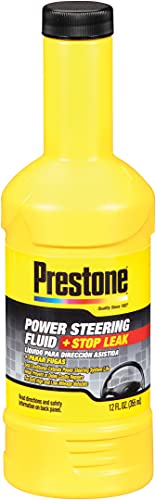
Engineered Stop Leak Protection: Specially formulated to condition and rejuvenate worn seals, helping stop existing leaks and preventing future fluid loss for smoother steering performance

WORKS WITH ALL ENGINE OIL, TRANSMISSION FLUID AND POWER STEERING FLUIDS: Bar's Leaks One Seal multipurpose stop leak effectively seals all minor engine oil, transmission and power steering system leaks.
Conclusion
Ensuring your car’s power steering system is properly maintained is crucial for smooth and efficient driving. By recognizing the signs of low power steering fluid levels and following the steps to check and add fluid, you can prevent potential steering issues. Remember to conduct regular maintenance checks to keep your power steering system in top condition. If problems persist, it’s always best to seek advice from a professional mechanic. Taking care of your power steering fluid levels will help you enjoy a safe and comfortable driving experience.
Frequently Asked Questions
Q: Why is it important to check power steering fluid levels?
A: Checking power steering fluid levels is crucial to ensure optimal steering performance. Low levels can lead to difficulty in steering, causing safety concerns on the road.
Q: What are the common signs of low power steering fluid?
A: Signs of low power steering fluid include a whining noise when turning the steering wheel, stiff steering, or erratic steering response.
Q: How do I add power steering fluid?
A: To add power steering fluid, locate the reservoir, check the fluid level, top up with the recommended fluid, and ensure proper sealing to prevent leaks.
Q: Why is maintenance of power steering fluid necessary?
A: Regular maintenance of power steering fluid prevents issues like leaks, pump damage, and steering system failures, ensuring smooth and safe driving.
Q: When should I consult a professional mechanic?
A: Consult a professional mechanic if you encounter persistent power steering problems, as they can diagnose and repair complex issues accurately.
