

Ever faced the sudden panic of finding a puddle of mysterious fluid under your car? You’re not alone. Picture this: You’re all set to hit the road, but a telltale sign of power steering fluid leakage puts a wrench in your plans. What now?
In this article, we’ve got your back. Discover easy-to-follow steps to tackle power steering fluid leaks like a pro. No need to stress about the unknown anymore. You’ll learn practical tips to identify, address, and potentially fix this common car woe. Stay in the driver’s seat – we’re here to guide you through this bump in the road.
Key Takeaways
- Promptly address power steering fluid leaks to prevent steering issues, pump damage, and safety concerns.
- Signs of leaks include puddles under the car, difficulty turning the steering wheel, and unusual noises.
- Common causes of leaks are worn-out hoses, loose connections, and a damaged pump.
- When suspecting a leak, check fluid levels, locate the source, and consult a mechanic if unsure.
- Early detection of leaks through signs like puddles, steering difficulties, and unusual noises is crucial for timely repairs.
- Seek professional help if unable to identify or fix the leak yourself to ensure accurate diagnosis and quality repairs.
Understanding Power Steering Fluid Leaks
When it comes to your car’s power steering system, it’s crucial to address any signs of fluid leaks promptly. Ignoring leaks can lead to steering issues, potential damage to the power steering pump, and even safety concerns on the road. In this section, we’ll delve into understanding power steering fluid leaks and how you can identify and deal with them effectively.
Recommended Products

Formulated with a blend of special oils and petroleum-extracted additives

REDUCES NOISE AND SMOOTHES OUT HARD STEERING: A unique dual cavity bottle containing a combination of the best performance additives to repair the most common power steering fluid related problems.
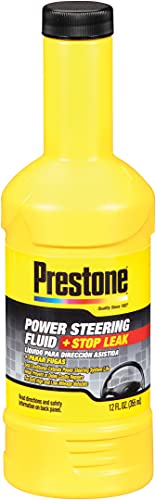
50,000 mile fluid life
Identifying Power Steering Fluid Leaks
To determine if your car is experiencing a power steering fluid leak, look out for the following key indicators:
- Puddle Under the Car: If you notice a red or brown puddle forming beneath your parked car, it could be a sign of a power steering fluid leak.
- Steering Wheel Hard to Turn: Difficulty in turning the steering wheel, especially at lower speeds, can signal a lack of power steering fluid due to a leak.
- Unusual Noise: A whining or groaning noise when turning the steering wheel could indicate low power steering fluid levels caused by a leak.
Causes of Power Steering Fluid Leaks
Understanding the reasons behind power steering fluid leaks can help you address the issue effectively. Common causes include:
- Worn-Out Hose: Over time, the power steering hoses can degrade, leading to leaks.
- Loose Connections: Loose or damaged fittings in the power steering system can result in fluid leaks.
- Damaged Pump: A faulty power steering pump can cause fluid leaks and impact steering performance.
Dealing with Power Steering Fluid Leaks
If you suspect a power steering fluid leak in your vehicle, follow these steps to address the issue promptly:
- Check Fluid Levels: Inspect the power steering fluid reservoir to see if the levels are low.
- Locate the Source: Trace the leak to identify the exact location of the leak, whether it’s the hoses, connections, or pump.
- Consult a Mechanic: If you’re unsure about the extent of the leak or how to repair it, it’s best to seek professional help from a mechanic.
By understanding the signs, causes, and necessary steps to address power steering fluid leaks, you can ensure your car’s power steering system remains in optimal condition, enhancing your driving experience and safety on the road.
Signs of Power Steering Fluid Leakage
Power steering fluid leakage can be concerning for your vehicle’s performance and safety. Here are the signs to watch out for:
- Puddles: Spotting fluid puddles under your car, especially near the front, could indicate a power steering fluid leak.
- Steering Wheel Difficulty: If turning the steering wheel feels unusually tough or requires more effort than usual, it might be due to low power steering fluid resulting from a leak.
- Unusual Noises: Strange whining or squealing noises when turning the steering wheel could be a sign of air in the power steering system caused by fluid loss through a leak.
- Fluid Levels: Regularly check your power steering fluid levels. A sudden drop in the fluid level without any visible leaks could suggest an internal leak within the system.
- Burning Smell: A burnt oil smell inside the car could indicate leaking power steering fluid dripping onto hot engine parts.
- Visible Damage: Inspect hoses, connections, and the power steering pump for visible signs of damage, cracks, or wet spots.
- Vibrations: Vibrations in the steering wheel could signal a power steering fluid leak affecting the system’s ability to operate smoothly.
- Foaming Fluid: If the power steering fluid appears foamy or aerated, it might be due to a leak introducing air into the system.
Keep an eye out for these signs to detect power steering fluid leakage early and address the issue promptly. Regular checks and timely repairs can help maintain your vehicle’s steering system in optimal condition.
Steps to Take When Power Steering Fluid is Leaking
When you notice that your power steering fluid is leaking, taking immediate action is crucial to prevent further damage to your car’s steering system. Follow these steps to address the issue effectively:
Recommended Products

Formulated with a blend of special oils and petroleum-extracted additives


WORKS WITH ALL ENGINE OIL, TRANSMISSION FLUID AND POWER STEERING FLUIDS: Bar's Leaks One Seal multipurpose stop leak effectively seals all minor engine oil, transmission and power steering system leaks.
Check the Power Steering Fluid Level
Start by checking the power steering fluid reservoir to see if the level is low. If it is significantly below the recommended level, there may be a leak.
Inspect the Area Under Your Car
Look under your car for any puddles or drips of power steering fluid. The presence of a leak may indicate a damaged hose or seal.
Identify the Source of the Leak
Trace the source of the leak by following any visible fluid streaks. Common areas where leaks occur include the power steering pump, hoses, seals, and connections.
Tighten or Replace Faulty Components
If you identify a loose or damaged component, such as a hose or seal, tighten it securely or replace it as needed to prevent further leakage.
Use a Power Steering Stop Leak Additive
Consider using a power steering stop leak additive to temporarily seal minor leaks. However, remember that this is a temporary solution and should not replace proper repairs.
Consult a Professional Mechanic
If you are unable to locate or fix the leak yourself, it’s advisable to consult a professional mechanic. They have the expertise to diagnose the issue accurately and perform the necessary repairs.
Monitor the Power Steering System
After addressing the leak, monitor your power steering system regularly for any signs of recurring leaks. This proactive approach can help you catch any new leaks early.
By following these steps promptly, you can effectively manage a power steering fluid leak and maintain the proper functioning of your car’s steering system. Remember, timely action is key to preventing more significant problems down the road.
Seeking Professional Help
If you’ve followed the previous steps and still notice power steering fluid leaking in your car, it’s advisable to seek professional help. A skilled mechanic can accurately diagnose the issue and perform necessary repairs to ensure the optimal functioning of your power steering system.
Here’s why consulting a professional is essential:
- Expertise: A qualified mechanic possesses the knowledge and experience to identify the root cause of the leak accurately. They can conduct a thorough inspection of your vehicle and offer insights that may not be apparent to an untrained eye.
- Specialized Equipment: Professional mechanics have access to specialized tools and equipment required for precise diagnosis and repair of power steering fluid leaks. Using the right tools ensures that the issue is resolved effectively.
- Quality Repairs: By entrusting your car to a professional, you can rest assured that repairs will be conducted using high-quality parts and industry-standard practices. This helps prevent recurring leaks and ensures the longevity of your power steering system.
- Safety: Addressing power steering fluid leaks promptly is crucial for your safety on the road. A professional mechanic can ensure that your steering system functions correctly, reducing the risk of accidents due to steering failure.
When scheduling a visit to the mechanic for power steering fluid leaks, remember to provide detailed information about the symptoms you’ve observed, such as the location of leaks, changes in steering performance, or any unusual noises. This information can assist the mechanic in diagnosing the issue more efficiently.
By entrusting the repair of power steering fluid leaks to a professional, you can address the problem effectively and maintain the safety and performance of your vehicle.
Recommended Products

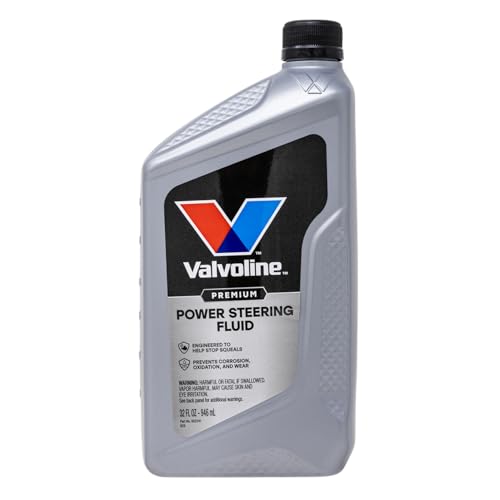
Engineered Stop Leak Protection: Specially formulated to condition and rejuvenate worn seals, helping stop existing leaks and preventing future fluid loss for smoother steering performance

Conclusion
Keep an eye out for any signs of power steering fluid leaks in your car. Promptly addressing these leaks is crucial to prevent steering issues and potential damage. By following the steps outlined in this article, such as checking fluid levels, identifying the source of the leak, and consulting a professional if needed, you can effectively manage power steering fluid leaks. Remember, safety should always be a top priority when dealing with car maintenance. If leaks persist, don’t hesitate to seek help from a skilled mechanic who can accurately diagnose the problem and ensure your steering system functions properly. Your proactive approach to addressing power steering fluid leaks will help maintain the health of your vehicle’s steering system and keep you safe on the road.
Frequently Asked Questions
What are the signs of power steering fluid leaks in a car?
Common signs of power steering fluid leaks include puddles under the car, difficulty turning the steering wheel, strange noises when turning, low fluid levels in the reservoir, burning smells, visible damage to hoses or seals, vibrations in the steering wheel, and foaming of the power steering fluid.
What steps should I take if my car is leaking power steering fluid?
If your car is leaking power steering fluid, start by checking the fluid level in the reservoir. Inspect the vehicle for visible leaks and identify the source of the leak. Tighten or replace any faulty components causing the leak. Consider using a stop leak additive for minor leaks. If the issue persists, consult a professional mechanic for assistance.
Why should I seek professional help for persistent power steering fluid leaks?
Professional help is recommended for persistent power steering fluid leaks because a skilled mechanic can accurately diagnose the issue, use specialized equipment for precise repairs, ensure quality repairs with high-quality parts, and prioritize safety by maintaining the proper functioning of the steering system. Providing detailed information to the mechanic about observed symptoms can aid in efficient diagnosis and effective resolution of power steering fluid leaks.
