

Ever felt the steering wheel of your car resist your every turn? Imagine navigating through traffic with a stubborn wheel that just won’t budge smoothly. It can be frustrating, right? Now, have you ever wondered if driving with low power steering fluid could be the culprit behind this ordeal?
Picture this: You’re on a busy road, trying to park or make a sharp turn, and your steering feels heavier than usual. Could the low power steering fluid be causing this inconvenience? In this article, we’ll explore the impact of driving with insufficient power steering fluid and how it can affect your driving experience. Stay tuned to discover why maintaining the right fluid levels is crucial for smooth and safe travels on the road.
Key Takeaways
- Maintaining the right power steering fluid level is crucial for smooth and safe driving: Low fluid levels can lead to increased steering effort, stiffness, and potential steering failure, impacting your driving experience and safety.
- Consequences of driving with low power steering fluid: Issues such as increased steering effort, unusual noises, wear and tear, risk of steering failure, and safety concerns can arise from inadequate fluid levels.
- Signs of low power steering fluid: Look out for signs like difficulty steering, unusual noises, sudden changes in steering response, visible leaks, vibrations in the steering wheel, dashboard warning lights, and burning smells to detect low fluid levels.
- Risks of driving with low power steering fluid: Risks include increased steering effort, reduced responsiveness, potential system damage, safety concerns, strain on the power steering pump, fluid leaks, and increased wear on components.
- Prevention and maintenance tips: Regularly check power steering fluid levels, conduct preventative maintenance, use the right fluid, address warning signs promptly, seek professional inspections, consider fluid flushes, monitor tire pressure, and drive carefully to preserve the power steering system.
Understanding Power Steering Fluid
In your vehicle, power steering fluid plays a crucial role in maintaining smooth steering capabilities. Without an adequate amount of this fluid, you might encounter difficulties in turning the steering wheel, which can make your driving experience less enjoyable and even unsafe.
Power steering fluid is specifically designed to assist you in steering by transferring force from the steering wheel to the vehicle’s wheels smoothly. When the fluid level is low, it cannot perform this function effectively, causing stiffness in the steering wheel and making it harder for you to navigate bends and corners easily.
Ensure you check your power steering fluid regularly to prevent such inconveniences. It’s essential to maintain the recommended fluid level to enjoy optimal steering performance and ensure your safety on the road.
Keep in mind that driving with low power steering fluid not only affects your driving experience but can also lead to serious mechanical issues in the long run. By taking care of your power steering fluid levels, you’re not just ensuring a smoother drive but also potentially avoiding expensive repairs down the line.
Remember, maintaining your power steering fluid at the right level is a simple yet crucial part of your vehicle maintenance routine. It can make a significant difference in how smoothly you can steer your vehicle, providing you with a safer and more enjoyable driving experience.
Recommended Products
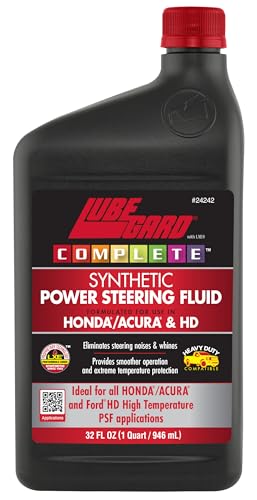
For use in all HONDA & ACURA power steering systems including 2007 & up vehicles that require a fully synthetic formula

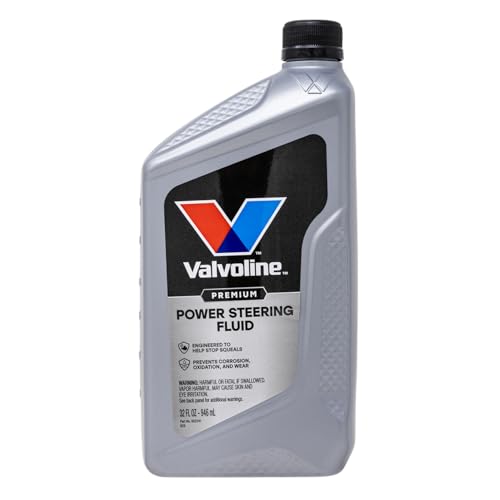
Superior quality, universal hydraulic fluid designed to mix with all hydraulic fluids in power trim and steering systems
Consequences of Low Power Steering Fluid
Driving with low power steering fluid can lead to various consequences that impact both your driving experience and your vehicle’s steering system. Maintaining proper fluid levels is crucial to avoid the following issues:
- Increased Steering Effort
Low power steering fluid levels can make it harder to turn the steering wheel smoothly. You might notice that it requires more effort to steer, especially when navigating sharp turns or parking. - Steering Wheel Stiffness
With inadequate fluid, your steering wheel might feel stiff and less responsive. This can affect your ability to steer quickly in emergency situations, compromising overall safety. - Unusual Noises
Running your vehicle with low power steering fluid can result in unusual noises while steering, such as squealing or whining sounds. These noises indicate potential damage to the steering system. - Increased Wear and Tear
Driving with insufficient fluid puts a strain on the power steering pump and other components. Over time, this can lead to accelerated wear and tear, potentially causing expensive mechanical issues. - Risk of Complete Steering Failure
Continued operation with very low fluid levels can ultimately result in complete steering failure. This dangerous scenario can occur suddenly, compromising your ability to control the vehicle effectively. - Long-Term Damage
Neglecting to address low power steering fluid levels can cause long-term damage to the steering system, requiring extensive repairs or part replacements. - Safety Concerns
Driving with compromised steering due to low fluid levels poses safety risks to you, your passengers, and other road users. It’s essential to address fluid levels promptly to ensure safe and optimal steering performance.
To avoid these consequences and maintain a smooth and safe driving experience, regularly check your power steering fluid levels as part of your vehicle maintenance routine. If you notice low levels, it’s best to top up the fluid or consult a professional mechanic to address any underlying issues promptly. Prioritizing proper fluid levels helps protect your steering system, prolong its lifespan, and ensure a comfortable driving experience.
Signs of Low Power Steering Fluid
Ensuring your vehicle’s power steering fluid is at the right level is vital for maintaining optimal steering performance. Detecting low power steering fluid early on can help prevent potential damage and ensure a smooth driving experience. Here are the signs to look out for:
1. Difficulty Steering: When you notice it’s harder to turn the steering wheel, especially at lower speeds or when parking, it could indicate low power steering fluid.
2. Whining or Growling Noises: If you hear unusual noises when turning the wheel, such as whining or growling sounds, it might be a sign of insufficient power steering fluid.
3. Sudden Changes in Steering Response: If you experience sudden changes in how the steering responds, like a delay or stiffness when turning, it could be due to low power steering fluid levels.
4. Visible Fluid Leaks: Check under your vehicle for any signs of fluid leaks, especially near the front wheels or the power steering pump reservoir. Low levels could indicate a leak caused by insufficient fluid.
5. Vibrations in the Steering Wheel: If you feel vibrations in the steering wheel while driving, it could be a symptom of low power steering fluid affecting the steering system’s performance.
6. Dashboard Warning Light: Some modern cars are equipped with a dashboard warning light that signals low power steering fluid levels. If this light illuminates, it’s time to check your power steering fluid.
7. Burning Smell: A burning smell under the hood could also indicate issues with the power steering system due to low fluid levels. This smell results from the strain on components lacking proper lubrication.
Being alert to these signs can help you address low power steering fluid promptly, ensuring your safety on the road and preventing potential damage to your vehicle’s steering system. Regularly checking your power steering fluid levels as part of your maintenance routine can help you avoid more significant problems in the long run.
Recommended Products

One application of oil and fuel system UV leak detection dye

REDUCES NOISE AND SMOOTHES OUT HARD STEERING: A unique dual cavity bottle containing a combination of the best performance additives to repair the most common power steering fluid related problems.

Formulated with a blend of special oils and petroleum-extracted additives
Risks of Driving with Low Power Steering Fluid
When driving with low power steering fluid, you are subjecting your vehicle to potential risks that can impact both steering performance and the overall health of your car. Recognizing these risks is crucial to maintaining a safe and efficient driving experience. Below are the main risks associated with driving with low power steering fluid:
1. Increased Steering Effort
Driving with low power steering fluid can lead to increased steering effort, making it harder to maneuver your vehicle, especially at lower speeds or when making tight turns. This added strain on the steering system can result in driver fatigue and may compromise your ability to navigate safely.
2. Reduced Steering Responsiveness
A decrease in power steering fluid levels can cause a delay in steering response. You may notice a lag between turning the steering wheel and the actual movement of your vehicle in the desired direction. This delay can affect your ability to react promptly to changing road conditions or hazards.
3. Potential Steering System Damage
Continued driving with inadequate power steering fluid can damage the steering system components over time. The lack of proper lubrication and hydraulic pressure can accelerate wear and tear on critical parts, leading to costly repairs or replacements down the line.
4. Safety Concerns
One of the most significant risks of driving with low power steering fluid is compromised safety. Difficulty in steering, especially in emergency situations, can pose a threat to you, your passengers, and other road users. Maintaining optimal power steering fluid levels is essential for safe and precise vehicle control.
5. Strain on the Power Steering Pump
Low power steering fluid levels place additional strain on the power steering pump, which works harder to compensate for the lack of fluid. This increased workload can diminish the pump’s efficiency and lifespan, potentially resulting in a complete failure if the issue is not rectified promptly.
6. Potential Fluid Leaks
Driving with low power steering fluid may exacerbate existing leaks or contribute to the development of new ones within the system. Fluid leaks not only lead to a loss of steering assistance but also create a mess under the hood and can further damage surrounding components.
7. Increased Wear on Steering Components
Inadequate lubrication from low power steering fluid levels can accelerate wear on various steering components, such as the rack and pinion or steering gear. This wear can cause issues like noise, vibrations, and imprecise steering, affecting the overall driving experience and safety.
Prevention and Maintenance Tips
Recommended Products

50,000 mile fluid life

Engineered Stop Leak Protection: Specially formulated to condition and rejuvenate worn seals, helping stop existing leaks and preventing future fluid loss for smoother steering performance

See Leaks in Dirty Engine Oil: Oil-based UV leak dye is made for dark used oil conditions where leaks are hard to see, helping trace engine oil leak paths with a compatible UV inspection light
Check Power Steering Fluid Regularly
To prevent driving with low power steering fluid, you should regularly check the power steering fluid level in your vehicle. Monitor the fluid at least once a month to ensure it is at the appropriate level.
Preventative Maintenance
Preventative maintenance is key to avoiding issues related to low power steering fluid. Inspect for any leaks in the power steering system that could result in fluid loss. Address leaks promptly to maintain adequate fluid levels.
Use the Right Fluid
When topping up the power steering fluid, make sure to use the correct type of fluid recommended by the manufacturer. Using the right fluid will optimize the performance of your power steering system.
Address Warning Signs Promptly
Be vigilant for any warning signs of low power steering fluid such as squealing noises, stiff steering, or vibrations when turning the wheel. If you notice these signs, address the issue promptly to prevent further damage.
Professional Inspection
Regular professional inspections of your power steering system can help identify any potential issues early on. Consult a qualified mechanic for routine checks and maintenance to keep your power steering system in optimal condition.
Fluid Flush and Replacement
Consider flushing and replacing the power steering fluid according to the manufacturer’s recommended schedule. This process helps maintain the efficiency of the power steering system and prolong its lifespan.
Tire Pressure Check
Checking your tire pressure regularly is vital as underinflated tires can put additional strain on the power steering system. Properly inflated tires contribute to smoother steering and reduce the load on the power steering components.
Drive Carefully
Avoid sharp turns and jerky movements while driving to reduce stress on the power steering system. Drive carefully and responsibly to preserve the integrity of the power steering components.
Conclusion
Driving with low power steering fluid can lead to various issues that affect both your vehicle’s performance and safety. From increased steering effort to potential damage to the steering system, the risks are significant. Recognizing the signs of low fluid levels early is crucial to prevent these problems and ensure a smooth driving experience. By following maintenance tips such as regularly checking fluid levels, addressing leaks promptly, and driving carefully to reduce stress on the power steering system, you can maintain optimal steering performance and avoid costly repairs. Remember, taking care of your power steering system is essential for both your safety and the longevity of your vehicle.
Frequently Asked Questions
What are the consequences of driving with low power steering fluid?
Driving with low power steering fluid can lead to increased steering effort, reduced responsiveness, potential damage to the steering system, safety concerns, strain on the power steering pump, fluid leaks, and increased wear on steering components.
Why is it important to recognize signs of low power steering fluid early?
Recognizing signs of low power steering fluid early is crucial to prevent damage, ensure safe driving, and maintain optimal steering performance.
What are some prevention and maintenance tips for the power steering system?
Regularly check power steering fluid levels, address leaks promptly, use the correct fluid, be vigilant for warning signs, schedule professional inspections, flush and replace fluid as recommended, check tire pressure, and drive carefully to reduce stress on the power steering system.
