

Ever found yourself wondering where to put in power steering fluid in your car? Picture this: you’re driving down the road, and suddenly, you notice your steering feels heavier than usual. The culprit? Low power steering fluid. But fear not, as we’re here to guide you through the simple yet crucial process of topping up your power steering fluid.
In this article, we’ll walk you through the steps of locating and filling the power steering fluid reservoir in your vehicle. By the end, you’ll feel confident and empowered to tackle this maintenance task on your own. Say goodbye to struggling with stiff steering and hello to smooth, effortless control on the road. Let’s dive in and ensure your car’s power steering system is in top shape.
Key Takeaways
- Power steering fluid is crucial for smooth steering, as it serves as a hydraulic fluid under high pressure conditions to assist in steering effortlessly.
- Regularly checking fluid level and condition is essential to ensure effective operation of the power steering system.
- The power steering fluid reservoir is typically located in the engine compartment and can be easily identified by its container with a cap for checking and topping up fluid.
- Adding power steering fluid involves locating the reservoir, checking levels, using a clean funnel to add fluid, and securely fastening the cap.
- Monitoring power steering fluid levels helps maintain proper lubrication, prevents contamination, detects leaks early, and enhances overall driving safety.
- Incorporating regular power steering fluid checks into your maintenance routine can prolong the life of the steering system and enhance driving comfort and safety.
Understanding Power Steering Fluid
To ensure your car’s power steering system operates smoothly, it’s crucial to understand the role of power steering fluid in maintaining optimal performance.
Power Steering Fluid Function:
Power steering fluid serves as a hydraulic fluid that helps in the effortless steering of your vehicle by transmitting power in the steering system. It works under high pressure conditions to assist you in turning the steering wheel with ease.
Fluid Composition:
Typically, power steering fluid consists of oil (mineral or synthetic), additives to enhance performance and protect components, and detergents to keep the system clean and free from contaminants.
Importance of Fluid Level:
Ensuring the power steering fluid is at the correct level is vital for the system to operate effectively. Low fluid levels can result in difficulty steering, increased steering effort, or a noisy steering pump.
Checking Fluid Condition:
It’s recommended to check the power steering fluid regularly. If the fluid looks cloudy or has a burnt smell, it indicates contamination and should be replaced. Clean fluid is usually transparent and odorless.
Fluid Replacement Frequency:
While there’s no fixed interval for replacing power steering fluid, it’s advisable to follow the manufacturer’s recommendations in your car’s manual. In general, it’s good practice to flush and replace the fluid every 50,000 miles.
Understanding these key aspects of power steering fluid can help you maintain your car’s steering system effectively, ensuring a comfortable and safe driving experience.
Recommended Products

Engineered Stop Leak Protection: Specially formulated to condition and rejuvenate worn seals, helping stop existing leaks and preventing future fluid loss for smoother steering performance

Superior quality, universal hydraulic fluid designed to mix with all hydraulic fluids in power trim and steering systems
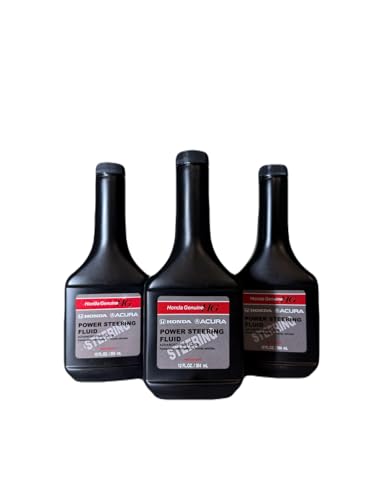
Suitable for all Honda models
Location of Power Steering Fluid Reservoir
The power steering fluid reservoir in your vehicle is typically located near the engine compartment for easy access and maintenance. It is essential to know where to find this reservoir as part of your regular vehicle checks and maintenance routine.
Recommended Products

CQ347367 power steering reservoir cap compatible with Freightliner Kenworth FL112 2003 2004、FL50 2003 to 2005、FL120 2003 to 2007、FLD120SD 2005 to 2007、FLD132 2003 to 2007 、T270、T370、2011 to 2021year.

【Strong Sealing】This power steering reservoir cap provides a reliable seal, effectively solving common fluid leakage problems, preventing dust and debris from entering your fluid, ensuring smooth steering operation, and extending the life of your vehicle
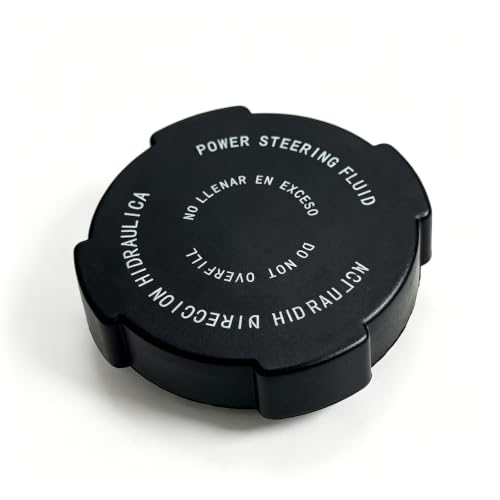
【Wide Compatibility 】Power steering reservoir cap replaces 99979, 49180JA000, 491818B400. Fits Infiniti QX56 2004-2010, Nissan Altima 2000-2013, Armada 2005-2018, Frontier 1998-2019, Maxima 2003-2014, Pathfinder 2004-2012, Quest 2004-2009, Sentra 2000-2006, Titan 2004-2019, Titan XD 2016-2019, Xterra 2000-2015
Under the Hood
In most cars, you can locate the power steering fluid reservoir by opening the hood of your vehicle. It’s often a small plastic or metal container that is transparent or semi-transparent, making it easy to check the fluid level without the need to open it.
Near the Firewall
The power steering fluid reservoir is commonly positioned close to the firewall of the engine compartment. Look for a container with a cap that usually has a built-in dipstick for checking the fluid level.
Consult Your Owner’s Manual
If you’re having trouble locating the power steering fluid reservoir in your specific vehicle model, the best resource is your owner’s manual. It provides detailed information on the location of all essential components, including the power steering fluid reservoir.
Visual Inspection
Inspect the engine compartment visually, focusing on the side of the engine closest to the cabin. Look for a small container that holds hydraulic fluid and has a cap that can be unscrewed for fluid level checks and top-ups.
Check Near the Front of the Engine
In some vehicles, the power steering fluid reservoir may be situated near the front of the engine compartment, close to the radiator. This placement allows for easier access when checking or adding fluid to the system.
Knowing where your power steering fluid reservoir is located ensures you can regularly monitor and maintain the correct fluid levels in your vehicle, contributing to smooth steering performance and overall driving safety. Make it a part of your routine vehicle inspections to keep your steering system in optimal condition.
Adding Power Steering Fluid
To maintain your car’s steering performance, it’s crucial to know where and how to add power steering fluid. Here’s a simple guide to help you keep your power steering system in optimal condition:
Recommended Products
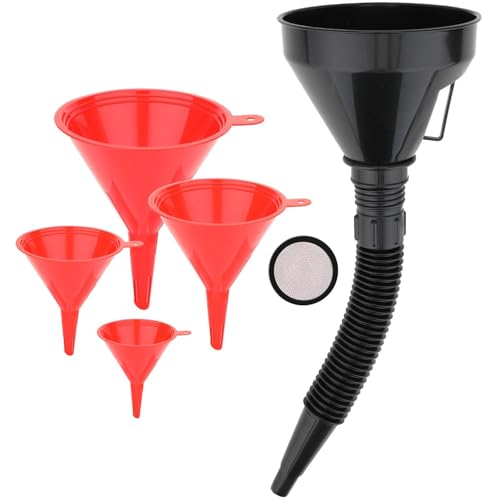
COMPLETE SET: Includes 5 different sized funnels and 1 flexible extension neck for hard-to-reach areas, plus a filter screen for straining contaminants

Durable Material: Made of high-quality plastic, this funnel is waterproof, impact-resistant, and flexible. It's reusable, durable, and won’t easily break or deform.

Premium Material: The wide mouth funnels are made of flexible plastic material, which is not easy to break, Chemically resistant polyethylene material,environmentally friendly, reusable,convenient to use and durable for long time use.
Locating the Power Steering Fluid Reservoir
- Find the Reservoir: Typically, the power steering fluid reservoir is situated in the engine compartment. Look for a small container with a cap that may be labeled “power steering” or have a steering wheel icon.
- Check the Owner’s Manual: If you’re unsure about the exact location of the reservoir in your vehicle, refer to the owner’s manual for specific instructions. Different car models may have variations in reservoir placement.
Adding Power Steering Fluid
- Prepare the Car: Ensure the engine is cool before proceeding. Opening the hood and locating the power steering fluid reservoir is the first step.
- Check the Fluid Level: To add fluid, first, check the current level. The reservoir usually has markings indicating the minimum and maximum levels. Ensure the fluid is between these markers.
- Adding the Fluid: Remove the reservoir cap carefully. Use a clean funnel to prevent spillage, then pour the recommended power steering fluid into the reservoir. Be cautious not to overfill.
- Secure the Cap: Once you’ve added the fluid, securely fasten the cap back onto the reservoir to prevent any leaks.
- Regular Checks: It’s essential to monitor the power steering fluid level regularly. Check for any signs of leakage or contamination to address issues promptly.
- Quality of Fluid: If the fluid appears dirty, cloudy, or has a burnt smell, it may be contaminated and should be replaced. Fresh power steering fluid helps maintain the system’s efficiency.
By following these simple steps and staying attentive to your power steering fluid levels, you can ensure smooth steering operation and enhance your driving experience. Remember, proper maintenance leads to safer and more enjoyable rides.
Importance of Regularly Checking Power Steering Fluid Levels
Keeping a close eye on your power steering fluid levels is crucial to maintaining optimal steering performance in your vehicle. Regular checks ensure that your power steering system operates smoothly, preventing potential issues that could compromise your driving experience. Here’s why it’s essential to monitor your power steering fluid levels on a routine basis:
Ensuring Proper Lubrication:
By checking your power steering fluid levels regularly, you guarantee that the system remains well-lubricated. Insufficient fluid can lead to increased friction in the steering components, potentially causing damage over time. It’s vital to maintain adequate fluid levels to keep the system running seamlessly.
Preventing Contamination:
Regular checks help you identify any contamination in the power steering fluid. Contaminated fluid, indicated by a cloudy appearance or a burnt smell, can negatively impact the performance of the steering system. Promptly addressing contaminated fluid by flushing and replacing it can prevent further damage to the system.
Detecting Leaks Early:
Monitoring your power steering fluid levels allows you to detect leaks in the system promptly. Low fluid levels often signal a potential leak, which, if left unattended, can lead to more significant issues and even system failure. Identifying and repairing leaks early can help maintain the integrity of the power steering system.
Enhancing Safety:
Properly maintained power steering fluid levels contribute to safer driving conditions. Smooth steering control is essential for maneuvering your vehicle effectively, especially in challenging situations. Regular checks and maintenance of power steering fluid levels help ensure optimal steering performance, enhancing both safety and driving experience.
Checking your power steering fluid levels is a simple yet crucial aspect of vehicle maintenance that can have a significant impact on your driving comfort and safety. By incorporating regular fluid checks into your maintenance routine, you can prolong the life of your power steering system and enjoy a smooth driving experience every time you hit the road.
Conclusion
Ensuring your car’s power steering fluid levels are adequate is crucial for a seamless driving experience. Regularly checking and topping up the fluid not only maintains optimal steering performance but also extends the life of your power steering system. By detecting leaks early and preventing contamination, you enhance safety on the road. Remember, a well-lubricated power steering system contributes to a comfortable and worry-free driving journey. So, make it a habit to monitor your power steering fluid levels – your car will thank you for it!
Frequently Asked Questions
What is the importance of maintaining proper power steering fluid levels in a car?
Proper power steering fluid levels ensure smooth steering control by providing lubrication and preventing wear on components.
What is power steering fluid composed of?
Power steering fluid is typically made up of a combination of oil, additives for lubrication, anti-corrosion agents, and seal conditioners.
How do you add power steering fluid to the reservoir?
Locate the power steering fluid reservoir, remove the cap, and carefully pour the fluid until reaching the recommended level indicated on the reservoir.
Why is it essential to regularly check power steering fluid levels?
Regular checks help detect leaks early, prevent contamination, ensure proper lubrication, and maintain optimal steering performance for safe driving.
How does monitoring power steering fluid levels contribute to enhancing safety while driving?
Maintaining proper fluid levels helps prolong the life of the power steering system, ensuring reliable performance and a safe driving experience.
