

Ever found yourself struggling to steer your car smoothly? Wondering why it feels like a workout just to make a simple turn? Well, have you checked your power steering fluid lately? Picture this: you’re cruising down the road, and suddenly, your steering wheel feels stiffer than usual. Could it be that your power steering fluid is running low?
In this article, we’ll explore the importance of regularly checking and adding power steering fluid to your vehicle. By understanding how often you should top up this essential fluid, you can ensure your driving experience remains effortless and safe. Stay tuned to discover the simple steps to keep your power steering system running smoothly and avoid any unexpected hiccups on the road.
Key Takeaways
- Regularly checking and adding power steering fluid is crucial for maintaining optimal steering performance and safe driving experiences.
- Factors like driving habits, environmental conditions, fluid quality, system leaks, maintenance schedule, contaminants, and component wear can affect power steering fluid levels.
- Signs of low power steering fluid include stiff steering, whining noise, leaking fluid, slow response, and visible air bubbles.
- To check and top up power steering fluid, inspect the reservoir monthly, use recommended fluid, add carefully to avoid overfilling, and recheck the level after topping up.
- Following a maintenance schedule for power steering fluid, including monthly inspections, assessing fluid quality, top-ups as needed, and seeking professional inspection during routine maintenance, is essential for optimal system performance.
- Recognizing symptoms of low power steering fluid, such as whining noises, hard steering, visible leaks, and air bubbles, allows for prompt intervention and maintenance to prevent system damage and ensure reliable driving experiences.
Factors Affecting Power Steering Fluid Levels
Ensuring your vehicle’s power steering system operates smoothly is crucial for safe driving. Understanding the factors that can impact power steering fluid levels will help you maintain your car effectively.
Driving Habits
Consistent high-speed driving or frequent towing can increase the heat in the power steering system, accelerating fluid evaporation. Vigorous driving may also lead to more rapid wear and tear on components, potentially causing fluid leaks.
Environmental Conditions
Extreme temperatures, whether extremely cold or hot, can affect the viscosity of power steering fluid. Cold weather thickens the fluid, making it harder to circulate, while hot weather can cause the fluid to thin out, reducing its lubricating properties.
Fluid Quality
Using the right type of power steering fluid recommended by your vehicle manufacturer is essential. Substituting with the wrong fluid can compromise performance, leading to system damage and leaks.
System Leaks
Regularly inspecting your power steering system for leaks is vital. Leaks can deplete fluid levels, affecting system pressure and functionality. Common leak points include hoses, connections, and the steering rack.
Maintenance Schedule
Following the manufacturer’s recommended maintenance schedule is key. Regular checks and timely replacements can help prevent unexpected drops in fluid levels and ensure the system functions optimally.
Contaminants
Contaminants like dirt, debris, or metal particles can enter the power steering system, potentially causing clogs or damaging components. Filtering the fluid at recommended intervals can extend the life of the system.
Component Wear
Over time, components like seals, hoses, and the steering pump can wear out, leading to fluid loss. Monitoring these components and replacing them when necessary can help maintain proper fluid levels.
Understanding these factors and taking proactive steps to address them will help you keep your power steering fluid at the right level, ensuring your vehicle’s steering system operates smoothly and efficiently.
Signs of Low Power Steering Fluid
If you’re wondering whether your power steering fluid is running low, watch out for these key signs:
- Stiff Steering: When turning the steering wheel, you might notice increased resistance or difficulty in steering.
- Whining Noise: A whining or squealing noise when steering at low speeds could indicate a lack of fluid.
- Leaking Fluid: Check under your vehicle for puddles or drips of power steering fluid, indicating a leak in the system.
- Slow Response: If there is a delay in the steering wheel’s response or it feels loose, it could be due to insufficient fluid.
- Visible Air Bubbles: When checking the power steering fluid reservoir, air bubbles in the fluid may suggest a low level.
Should you detect any of these signs, it’s crucial to address the issue promptly to avoid potential damage to your vehicle’s steering system. Regularly monitoring your power steering fluid levels is essential for maintaining optimal steering performance and safe driving experiences.
Recommended Products

REDUCES NOISE AND SMOOTHES OUT HARD STEERING: A unique dual cavity bottle containing a combination of the best performance additives to repair the most common power steering fluid related problems.

Formulated with a blend of special oils and petroleum-extracted additives
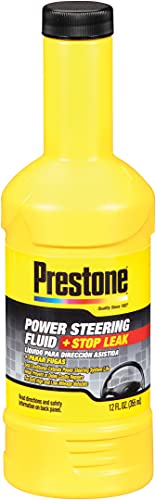
50,000 mile fluid life
Checking and Topping Up Power Steering Fluid
To ensure your power steering system functions optimally, it’s crucial to regularly inspect and add power steering fluid as needed.
Recommended Products

Direct replacement - this power steering fluid reservoir fits and functions like original equipment for a trouble-free installation

Item Package Dimension: 8.66L x 7.51W x 4.76H inches

Direct replacement - this power steering fluid reservoir fits and functions like original equipment for a trouble-free installation
How Often to Check:
- Regular Inspection: You should check your power steering fluid at least once a month to maintain proper levels.
- During Maintenance: It’s advisable to inspect the fluid level whenever you perform routine vehicle maintenance.
How to Check:
- Locate the Reservoir: Find the power steering fluid reservoir under the hood. It’s usually a small, transparent container with markings indicating minimum and maximum levels.
- Check the Level: With the engine off, remove the reservoir cap and inspect the fluid level. It should be between the marked indicators.
Topping Up:
- Use Recommended Fluid: Ensure you use the manufacturer-recommended power steering fluid for your vehicle.
- Add Carefully: If the level is low, add a small amount of fluid at a time to prevent overfilling.
- Recheck: After adding fluid, recheck the level to ensure it falls within the specified range.
- Whining Noises: If you hear whining or squealing sounds when turning the steering wheel, it could indicate low fluid levels.
- Hard Steering: Difficulty in steering or a stiff feeling while turning could be a sign of inadequate fluid.
- Visible Leaks: If you notice puddles or stains under your vehicle, there might be a leak in the power steering system.
- Air Bubbles: Air bubbles in the power steering fluid reservoir indicate a need for a top-up.
By following these simple steps and keeping an eye out for key indicators, you can ensure that your power steering system remains in top condition, providing you with smooth and hassle-free driving experiences.
Maintenance Schedule for Power Steering Fluid
To maintain your vehicle’s power steering system in optimal condition, it’s essential to follow a regular maintenance schedule for the power steering fluid. Neglecting this aspect can lead to diminished steering performance and potential damage to critical components.
Recommended Products

Engineered Stop Leak Protection: Specially formulated to condition and rejuvenate worn seals, helping stop existing leaks and preventing future fluid loss for smoother steering performance
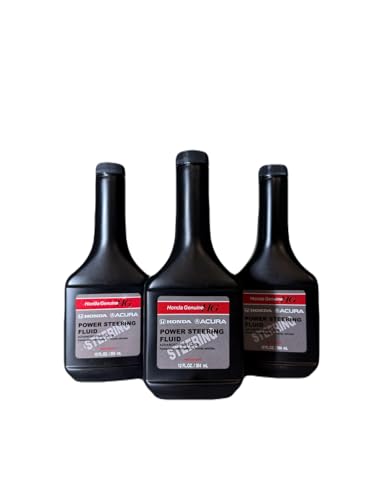
Suitable for all Honda models

Direct replacement - this power steering fluid reservoir fits and functions like original equipment for a trouble-free installation
Monthly Inspections
- Check the Fluid Level: Start by locating the power steering fluid reservoir in your vehicle. You can consult your owner’s manual for its exact location.
- Inspect for Leaks: Look for any visible signs of leaks around the reservoir or along the power steering system hoses.
- Assess Fluid Quality: Ensure the fluid is clean and free from contaminants. Dark or gritty fluid may indicate the need for a fluid change.
- Top-Up as Needed: If the fluid level is below the recommended range, carefully add the appropriate power steering fluid to bring it to the required level.
- Monitor for Changes: Keep an eye on the fluid level over the following weeks to check for any sudden drops that might indicate a potential issue.
During Routine Maintenance
During regular maintenance intervals, such as oil changes or tune-ups, it’s advisable to have your power steering fluid checked as well.
- Professional Inspection: Consider asking your mechanic to inspect the power steering fluid level and quality during scheduled servicing.
- Fluid Flush: Depending on your vehicle manufacturer’s recommendations, you may need to perform a power steering fluid flush at certain mileage intervals to ensure optimal system performance.
Signs of Low Power Steering Fluid
Recognizing the symptoms of low power steering fluid is crucial in maintaining your vehicle’s steering system:
- Whining Noises: If you hear unusual whining or groaning sounds when turning the steering wheel, it could indicate low fluid levels.
- Hard Steering: Increased resistance in steering, especially at lower speeds, may point to insufficient power steering fluid.
- Visible Leaks: Any puddles or drips beneath your vehicle, particularly near the front end, could signify a power steering fluid leak.
- Air Bubbles: If you notice air bubbles in the power steering fluid reservoir, it indicates aeration due to low fluid levels.
By adhering to a consistent maintenance routine and promptly addressing any signs of low power steering fluid, you can ensure your vehicle’s steering system operates smoothly and reliably. Regular checks and timely fluid top-ups can help prevent expensive repairs and ensure a safer driving experience.
Conclusion
Maintaining proper power steering fluid levels is essential for smooth steering and safe driving. Factors like driving habits, environmental conditions, and regular maintenance play a crucial role. Be proactive by monitoring fluid levels, checking for leaks, and topping up as needed. Remember, regular inspections and professional maintenance can prevent costly repairs down the road. Stay alert for signs of low fluid levels like stiff steering and whining noises. By adhering to a consistent maintenance routine, you can ensure a hassle-free driving experience. Prioritize your safety and the longevity of your vehicle by staying on top of your power steering fluid levels.
Frequently Asked Questions
Why is monitoring power steering fluid important?
Monitoring power steering fluid is crucial to ensure smooth steering and safe driving. Low fluid levels can result in stiff steering and whining noises, affecting the vehicle’s handling and safety.
What factors can affect power steering fluid levels?
Driving habits, environmental conditions, leaks, and maintenance schedules can influence power steering fluid levels. Regular maintenance and monitoring help identify and address changes in fluid levels promptly.
How can I check power steering fluid levels?
Inspect the power steering fluid reservoir regularly for changes in fluid levels. Add fluid as needed to maintain optimal levels, ensuring smooth steering and prolonged system lifespan.
How often should power steering fluid be checked?
It is recommended to check power steering fluid levels monthly or during routine maintenance inspections. Regular monitoring helps detect and address low fluid levels before they cause damage to the system.
What are the signs of low power steering fluid?
Signs of low power steering fluid include whining noises, stiff steering, visible leaks, and air bubbles in the fluid reservoir. Promptly addressing these indicators can prevent costly repairs and ensure a safer driving experience.
