

Ever wondered why your car’s power steering fluid seems to vanish mysteriously? Picture this: you’re cruising down the road, only to realize that your steering wheel feels heavier than usual. Sound familiar? Don’t fret; you’re not alone in this dilemma.
Imagine the peace of mind that comes with understanding the reasons behind power steering fluid leaks. In this article, you’ll uncover the common culprits behind this issue and gain valuable insights on how to address them effectively.
Ready to bid farewell to those pesky leaks and enjoy smooth rides once more? Let’s dive into the world of power steering fluid leaks and equip you with the knowledge you need to keep your car running smoothly.
Key Takeaways
- Common causes of power steering fluid leaks include worn-out hose connections, damaged seals or O-rings, cracked reservoir, corroded power steering lines, faulty power steering pump, and loose or improperly fitted components.
- Potential symptoms of power steering fluid leaks to watch out for include sudden difficulty steering, low power steering fluid levels, unusual noises, steering wheel vibrations, fluid under your car, and a burning smell.
- To diagnose power steering fluid leaks, park your car on a flat surface, locate power steering system components, check fluid levels, inspect hoses and connections, look for fluid puddles, listen for unusual noises, note steering wheel vibrations, and pay attention to strange smells.
- Preventive measures to avoid power steering fluid leaks include regular inspections, following manufacturer recommendations, avoiding overfilling, maintaining proper fluid levels, driving cautiously, and addressing issues promptly.
Common Causes of Power Steering Fluid Leaks
Understanding why power steering fluid leaks occur is crucial in maintaining your vehicle’s performance. Identifying the common causes can help you address the issue promptly, ensuring a smoother driving experience. Here are some key reasons why power steering fluid leaks may occur:
- Worn Out Hose Connections: Over time, the connections between the power steering pump, hoses, and steering gear can deteriorate, leading to leaks. Check for any signs of wear or looseness in these connections.
- Damaged Seals or O-Rings: Seals and O-rings play a vital role in preventing fluid leaks within the power steering system. If these components become damaged or degraded, leaks can occur. Inspect these parts for any visible signs of wear.
- Cracked Reservoir: The power steering fluid reservoir can develop cracks due to age or exposure to heat, causing leaks. Regularly inspect the reservoir for any signs of damage to prevent fluid loss.
- Corroded Power Steering Lines: Corrosion in the power steering lines, often caused by contaminants or old fluid, can lead to leaks. Regular maintenance and flushing of the power steering fluid can help prevent corrosion-related leaks.
- Faulty Power Steering Pump: A malfunctioning power steering pump can cause fluid leaks due to internal issues or a damaged pump housing. If you notice fluid pooling under the pump, it’s essential to have it inspected by a professional.
- Loose or Improperly Fitted Components: Loose fittings or improperly installed components in the power steering system can result in leaks. Ensure that all connections are secure and correctly fitted to prevent fluid leakage.
By understanding these common causes of power steering fluid leaks, you can proactively address any potential issues with your vehicle’s power steering system. Regular maintenance, timely inspections, and prompt repairs can help prevent leaks and ensure optimal performance of your vehicle.
Recommended Products

REDUCES NOISE AND SMOOTHES OUT HARD STEERING: A unique dual cavity bottle containing a combination of the best performance additives to repair the most common power steering fluid related problems.

Formulated with a blend of special oils and petroleum-extracted additives

Engineered Stop Leak Protection: Specially formulated to condition and rejuvenate worn seals, helping stop existing leaks and preventing future fluid loss for smoother steering performance
Potential Symptoms of Power Steering Fluid Leaks
Recognizing the signs of power steering fluid leaks is crucial in maintaining your vehicle’s performance. Here are the potential symptoms you should watch out for:
- Sudden Difficulty Steering: If you notice it’s harder to turn the steering wheel, especially at lower speeds, a power steering fluid leak could be the culprit.
- Low Power Steering Fluid Levels: Regularly check your power steering fluid reservoir. A decrease in fluid levels without an obvious reason may indicate a leak.
- Unusual Noises: Whining or squealing sounds when you turn the steering wheel could be a sign of a power steering fluid leak.
- Steering Wheel Vibrations: Vibrations or shaking in the steering wheel, especially when idling, can be a symptom of inadequate power steering fluid due to a leak.
- Fluid Under Your Car: If you spot a red or brown fluid puddle under your vehicle, it could be a sign of a power steering fluid leak.
- Burning Smell: A noticeable burning odor could result from power steering fluid leaking onto hot engine parts.
If you encounter any of these symptoms, it’s essential to address them promptly to prevent further damage to your power steering system and ensure your safety on the road. Regularly inspecting your power steering system can help you detect leaks early and avoid more significant issues down the line.
How to Diagnose Power Steering Fluid Leaks
To effectively diagnose power steering fluid leaks in your car, follow these steps:
Recommended Products
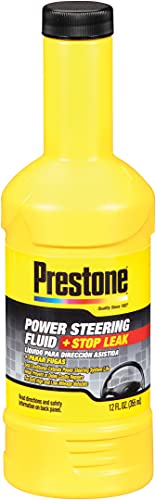
50,000 mile fluid life

Formulated with a blend of special oils and petroleum-extracted additives

1. Park Your Car on a Flat Surface
Start by parking your car on a level surface and turn off the engine. This will help you inspect the area underneath the vehicle more easily.
2. Locate the Power Steering System Components
Identify the power steering system components in your car, including the power steering pump, hoses, steering rack, and reservoir. Familiarizing yourself with these parts will make it easier to detect potential leaks.
3. Check the Power Steering Fluid Level
Locate the power steering fluid reservoir under the hood. Remove the cap and check the fluid level using the dipstick or the markings on the reservoir. A low fluid level could indicate a leak in the system.
4. Inspect the Hoses and Connections
Inspect the power steering hoses and their connections for any signs of wear, cracks, or damage. Leaks often occur at these points due to aging or improper installation.
5. Look for Fluid Puddles
Check the ground underneath your car for any puddles of power steering fluid. The color of the fluid is typically red or brown, distinguishing it from other automotive fluids.
6. Listen for Unusual Noises
Start the engine and listen for any unusual noises, such as whining or groaning sounds when you turn the steering wheel. These noises could indicate a power steering fluid leak or a failing component.
7. Note Steering Wheel Vibrations
If you experience vibrations in the steering wheel while driving, it could be a sign of low power steering fluid levels or a leak in the system. Addressing this issue promptly is essential for safe driving.
8. Pay Attention to Strange Smells
If you notice a burning smell, especially when operating the vehicle, it could be due to leaking power steering fluid coming into contact with hot engine components. Such odors should not be ignored, as they indicate a potential problem.
By following these steps and being attentive to the signs of power steering fluid leaks in your car, you can diagnose issues early and take the necessary steps to maintain the health of your power steering system. Regular inspections and prompt repairs will help prevent further damage and ensure smooth and safe driving experiences.
Preventive Measures to Avoid Power Steering Fluid Leaks
To prevent power steering fluid leaks in your vehicle, you need to adopt proactive measures that can help maintain a healthy power steering system and avoid potential issues. Here are some practical steps you can take:
Recommended Products

WORKS WITH ALL ENGINE OIL, TRANSMISSION FLUID AND POWER STEERING FLUIDS: Bar's Leaks One Seal multipurpose stop leak effectively seals all minor engine oil, transmission and power steering system leaks.

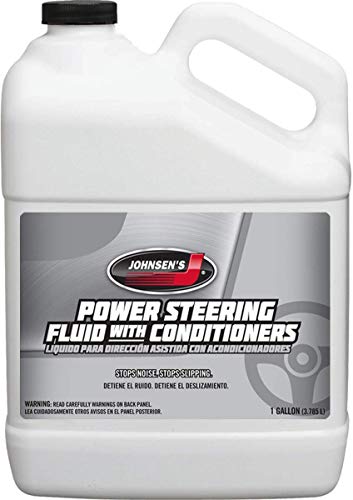
High quality power steering fluid and conditioner
Regular Inspections:
Make it a habit to check your power steering system regularly. Inspect the hoses, connections, and seals for any signs of wear or damage. By catching potential leaks early, you can address them before they escalate into major problems.
Follow Manufacturer Recommendations:
Adhere to the manufacturer’s guidelines for power steering fluid type and replacement intervals. Using the recommended fluid and changing it at the specified intervals can help prolong the life of your power steering system and reduce the risk of leaks.
Avoid Overfilling:
Ensure you do not overfill the power steering reservoir. Excess fluid can lead to increased pressure within the system, potentially causing leaks. Follow the recommended fluid levels to prevent such issues.
Maintain Proper Fluid Levels:
Regularly check the power steering fluid levels and top up if necessary. Low fluid levels can put additional strain on the system and increase the likelihood of leaks. Keeping the fluid at the correct level is essential for optimal performance.
Drive Cautiously:
Be mindful of how you drive to reduce strain on the power steering system. Avoid sharp turns at high speeds, as they can place undue pressure on the components and lead to leaks over time. Drive smoothly to maintain the health of your power steering system.
Address Issues Promptly:
If you notice any symptoms of power steering fluid leaks, such as difficulty steering or fluid puddles under your car, address them promptly. Ignoring these signs can result in more severe damage and costly repairs. Act quickly to prevent further complications.
By incorporating these preventive measures into your routine maintenance schedule, you can minimize the risk of power steering fluid leaks and ensure a reliable and efficient power steering system in your vehicle. Regular care and timely attention to potential issues will help you enjoy a smooth and safe driving experience.
Conclusion
By following the preventive measures discussed in this article, you can proactively maintain your car’s power steering system and reduce the likelihood of fluid leaks. Regular inspections, adhering to manufacturer recommendations, and addressing any issues promptly are key to ensuring a smooth driving experience. Remember to keep an eye on fluid levels, drive cautiously, and avoid overfilling. With these simple steps, you can keep your power steering system in top condition and enjoy a hassle-free journey on the road.
Frequently Asked Questions
What are the common causes of power steering fluid leaks in cars?
Power steering fluid leaks in cars can be caused by damaged hoses, worn-out seals, loose fittings, or a cracked reservoir. Leaks can also occur due to high pressure, age-related deterioration, or physical damage to components.
How can I diagnose a power steering fluid leak issue in my car?
To diagnose a power steering fluid leak, look for fluid puddles under the car, check the power steering fluid level regularly, inspect hoses and connections for signs of leakage or damage, and listen for unusual noises while turning the steering wheel.
What preventive measures can I take to avoid power steering fluid leaks in my car?
Preventive measures to avoid power steering fluid leaks include scheduling regular inspections, following manufacturer’s maintenance recommendations, avoiding overfilling the reservoir, maintaining proper fluid levels, driving cautiously, and promptly addressing any unusual noise or steering issues.
