

Ever wondered what would happen if your car suddenly lost power steering while you were driving? Picture this: you’re cruising down the road, and suddenly, the steering wheel feels heavier than usual. How long could you manage without power steering fluid before things get tricky?
In this article, we’ll explore the impact of driving without power steering fluid and how long you can safely navigate your vehicle in such a situation. You’ll discover essential tips to handle this scenario and ensure you’re prepared for any unexpected challenges on the road. Stay tuned to learn how to handle a potential power steering fluid emergency like a pro.
Key Takeaways
- Regularly check power steering fluid level and quality to maintain steering system functionality.
- Signs of low power steering fluid levels include difficulty turning, strange noises, unresponsive steering, visible leaks, and dashboard warning lights.
- Driving without sufficient power steering fluid can lead to loss of steering control, increased steering effort, potential damage to steering components, overheating of the power steering pump, and risk of accidents.
- Immediate impact of driving without power steering fluid includes increased steering effort, strain on steering system, risk of steering malfunction, potential damage to components, and overheating concerns.
- Address low power steering fluid levels promptly to prevent further damage and ensure safe driving conditions.
Overview of Power Steering Fluid
Understanding the significance of power steering fluid is crucial for maintaining your vehicle’s steering system’s functionality. Power steering fluid serves as a hydraulic fluid that transmits power in the power steering mechanism, ensuring smooth and easy maneuvering of your car.
- Facilitates the transfer of power from the steering wheel to the steering mechanism.
- Lubricates the moving parts within the power steering system.
- Prevents corrosion and wear within the system to maintain its efficiency.
Recommended Maintenance:
Regularly checking the power steering fluid level and quality is essential to ensure your steering system operates optimally. Low levels or degraded fluid can lead to increased steering effort, noise, or potential damage to the power steering pump.
DIY Fluid Check:
You can easily check the power steering fluid level in your vehicle by locating the reservoir, usually marked with a steering wheel icon under the hood. Ensure the level falls within the designated markings to avoid complications while driving.
Fluid Replacement:
If you notice a significant drop in fluid level or the fluid appears dirty or contaminated, it’s advisable to have the fluid flushed and replaced according to your vehicle manufacturer’s recommendations.
By understanding the role of power steering fluid and conducting regular maintenance checks, you can help prevent steering issues and ensure a safe driving experience. Stay tuned to discover how to effectively manage driving situations without power steering fluid and handle any unexpected challenges on the road with confidence.
Recommended Products

Item Package Dimension: 8.66L x 7.51W x 4.76H inches

Direct replacement - this power steering fluid reservoir fits and functions like original equipment for a trouble-free installation

Direct replacement - this power steering fluid reservoir fits and functions like original equipment for a trouble-free installation
Signs of Low Power Steering Fluid Levels
When it comes to your vehicle’s power steering system, keeping an eye on the power steering fluid is crucial to ensure smooth and responsive steering. Here are the telltale signs that indicate your power steering fluid levels might be low:
- Difficulty Turning: You may notice increased resistance when turning the steering wheel, making it harder to maneuver the vehicle, especially at lower speeds or when parking.
- Whining or Squealing Noises: If you hear strange noises coming from the steering system, such as whining or squealing sounds, it could be a sign of inadequate lubrication due to low power steering fluid levels.
- Loose or Unresponsive Steering: A noticeable looseness in the steering wheel or delayed response when turning may indicate a lack of hydraulic pressure from insufficient power steering fluid.
- Visible Fluid Leaks: Check under your vehicle for any signs of power steering fluid leaks. Puddles or drips of fluid on the ground, particularly near the front of the car, can indicate a leak and potential fluid loss.
- Dashboard Warning Light: Some modern vehicles are equipped with a dashboard warning light that illuminates when there is a problem with the power steering system, including low fluid levels. If this light comes on, it’s essential to address the issue promptly.
Monitoring these signs can help you catch low power steering fluid levels early on and take the necessary steps to prevent steering problems while driving. Regularly checking and maintaining proper power steering fluid levels is key to ensuring your vehicle’s steering remains efficient and safe.
Recommended Products

REDUCES NOISE AND SMOOTHES OUT HARD STEERING: A unique dual cavity bottle containing a combination of the best performance additives to repair the most common power steering fluid related problems.

Formulated with a blend of special oils and petroleum-extracted additives

Engineered Stop Leak Protection: Specially formulated to condition and rejuvenate worn seals, helping stop existing leaks and preventing future fluid loss for smoother steering performance
Risks of Driving Without Sufficient Power Steering Fluid
Driving without enough power steering fluid poses serious risks to both you and your vehicle. Here are the potential dangers you need to be aware of:
Recommended Products

Formulated with a blend of special oils and petroleum-extracted additives

50,000 mile fluid life
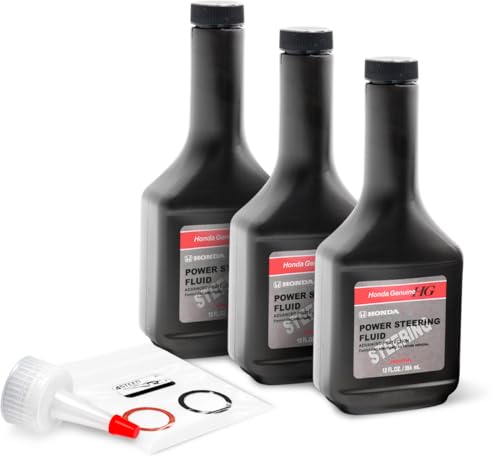
TOP QUALITY / GUARENTEED【Interchange Part Number】: 08206-9002A, 08206-9002, 08206-9002PE, 91345-RP6-A01, 91370-SV4-000, 91370-TA0-000, 91345-R70-P01, 91345-R70-A11, 91345-RDA-A01, 91370-SV4-000, 91345-PDA-E01, 91345-PAA-A01,
Loss of Steering Control
Low power steering fluid levels can lead to a loss of steering control, making it challenging to navigate your vehicle, especially at lower speeds or when making tight turns. Such difficulty in steering can compromise your ability to respond quickly to road obstacles and hazards.
Increased Steering Effort
As the power steering fluid decreases, the steering wheel becomes harder to turn, requiring more physical effort from you. This increased steering effort can lead to muscle fatigue and strain, making it uncomfortable and tiring to drive, particularly on longer journeys.
Potential Damage to Steering Components
Insufficient power steering fluid can cause excessive wear and tear on the steering system components, leading to premature damage and potential failure. This can result in costly repairs or replacements of steering parts, impacting both your vehicle’s performance and your wallet.
Overheating of the Power Steering Pump
Low power steering fluid levels can cause the power steering pump to overheat due to increased friction and inadequate lubrication. An overheated pump is at risk of damage and can ultimately fail, leaving you without power steering assistance while driving.
Risk of Accidents
Driving without enough power steering fluid significantly increases the risk of accidents due to the impaired steering responsiveness and control. The safety of both you and other road users is compromised, highlighting the importance of maintaining adequate fluid levels for safe driving.
Damage to the Power Steering System
Continued driving without addressing low power steering fluid levels can cause permanent damage to the entire power steering system, necessitating extensive repairs or replacements. Ignoring this issue can lead to more significant problems over time.
Summary
How Long Can You Drive Without Power Steering Fluid?
Driving without enough power steering fluid is risky and can lead to various issues that affect your ability to steer and control your vehicle safely. Here’s what you need to know about how long you can drive without power steering fluid:
Immediate Impact on Steering:
Without sufficient power steering fluid, you’ll notice an immediate increase in the effort needed to turn the steering wheel. The steering wheel becomes harder to maneuver, especially at lower speeds or when trying to park. This change in steering resistance can make driving more challenging and less safe.
Steering System Strain:
As you continue to drive without power steering fluid, the strain on the steering system increases. Components like the power steering pump and rack can experience excessive wear and tear. This added stress on the system can lead to premature failure of critical parts, resulting in costly repairs.
Risk of Steering Malfunction:
Driving for an extended period without proper power steering fluid levels increases the risk of steering malfunctions. Loss of steering control or erratic steering behavior may occur, especially during sudden maneuvers or emergency situations. This poses a significant safety hazard and can lead to accidents.
Potential Damage to Components:
The lack of lubrication from power steering fluid can damage internal components of the steering system over time. Without proper lubrication, parts can wear out quickly, leading to leaks, grinding noises, or even complete failure of the power steering system.
Overheating Concerns:
Operating the vehicle without an adequate amount of power steering fluid can cause the power steering pump to overheat. Overheating can result in decreased pump efficiency, fluid breakdown, and ultimately, system failure. This can leave you stranded and in need of immediate repairs.
Recommended Action:
It’s essential to address low power steering fluid levels promptly. If you suspect a fluid leak or notice difficulty steering, it’s best to stop driving the vehicle and have it inspected by a mechanic. Adding power steering fluid as needed can help prevent further damage and ensure safe driving conditions.
Conclusion:
Driving without enough power steering fluid compromises your safety on the road and risks damaging vital components of the steering system. It’s crucial to monitor your power steering fluid levels regularly and address any issues promptly to maintain optimal driving performance and safety.
Conclusion
Driving without sufficient power steering fluid can lead to various risks, including loss of steering control, increased steering effort, potential damage to steering components, overheating of the power steering pump, and the risk of accidents. It’s crucial to maintain adequate power steering fluid levels for safe driving and to prevent costly repairs or replacements. Regularly monitoring power steering fluid levels is essential to ensure optimal driving performance and safety. Remember, taking care of your power steering system can help you avoid potential hazards on the road and ensure a smoother driving experience.
Frequently Asked Questions
Q: What happens when you drive without power steering fluid?
A: Driving without power steering fluid can lead to increased steering effort, loss of steering control, potential damage to steering components, overheating of the power steering pump, and heightened risk of accidents.
Q: Why is power steering fluid important?
A: Power steering fluid plays a crucial role in power transfer, lubrication, and system maintenance in vehicles equipped with power steering systems.
Q: What are the risks of driving without sufficient power steering fluid?
A: Risks include loss of steering control, increased steering effort, potential damage to steering components, overheating of the power steering pump, risk of accidents, and damage to the power steering system.
Q: What immediate impact can be felt when driving without enough power steering fluid?
A: Immediate impacts may include changes in steering ease, strain on the steering system, risk of steering malfunction, potential damage to components, and concerns about overheating.
Q: How can one prevent issues related to power steering fluid?
A: Regularly monitoring power steering fluid levels and ensuring they are adequately maintained can help prevent steering issues, accidents, and costly repairs.
