

Ever experienced that dreaded moment when your steering wheel feels harder to turn than usual? You might be facing a common issue many car owners encounter – low power steering fluid. Picture this: you’re cruising down the road, and suddenly, making simple turns becomes a workout for your arms. Fret not, as we’ve got you covered with a simple solution.
In this article, we’ll guide you on how to easily check if your power steering fluid is running low. By understanding the signs and symptoms, you’ll be equipped to tackle this problem head-on and ensure your car’s steering system runs smoothly. Stay tuned to discover the telltale indicators that could save you from potential steering troubles down the road.
Key Takeaways
- Power steering fluid is crucial for smooth operation and reducing effort in steering.
- Low power steering fluid levels can lead to difficulty in steering and jerky wheel movements.
- Signs of low power steering fluid include difficulty steering, whining noises, and fluid leakage.
- Check power steering fluid levels by locating the reservoir, inspecting the level, and topping up as needed.
- Regularly checking and maintaining proper power steering fluid levels can prevent steering problems and ensure a comfortable driving experience.
- Adequate power steering fluid levels contribute to responsive steering, prevent costly repairs, and enhance overall vehicle performance.
Understanding Power Steering Fluid
To comprehend power steering fluid, let’s delve into its role and function within your vehicle’s steering system. Power steering fluid acts as a hydraulic fluid that enables the smooth operation of your power steering system. This fluid is essential for reducing the effort required to turn the steering wheel, especially at lower speeds or when maneuvering tight spaces.
Importance of Adequate Power Steering Fluid Levels
Maintaining an adequate level of power steering fluid is crucial for the proper functioning of your vehicle’s steering mechanism. Low levels of power steering fluid can lead to difficulty in steering, causing stiffness or a jerky steering wheel. It’s essential to ensure that the power steering fluid remains at the recommended level to avoid potential steering issues and ensure a seamless driving experience.
Signs of Low Power Steering Fluid
Recognizing the signs of low power steering fluid is key to addressing potential problems promptly. Here are some indicators that your power steering fluid might be low:
- Difficulty Steering: You may experience increased resistance when turning the steering wheel.
- Whining Noise: A whining or squealing sound while steering, especially at lower speeds, can signal low power steering fluid.
- Leaking Fluid: Visual inspection under your vehicle may reveal signs of power steering fluid leakage.
Checking Power Steering Fluid Levels
To determine if your power steering fluid is low, follow these simple steps:
- Locate the Reservoir: Typically, the power steering fluid reservoir is labeled and can be found near the engine.
- Inspect the Level: Ensure the fluid level falls within the marked minimum and maximum indicators on the reservoir.
- Top Up if Needed: If the level is below the minimum mark, add the recommended power steering fluid to reach the optimal level.
Preventive Measures
To prevent low power steering fluid levels:
- Regular Inspections: Check your power steering fluid level during routine maintenance checks.
- Address Leaks Promptly: If you notice any signs of leakage, have it inspected and repaired by a professional.
By understanding the significance of power steering fluid and being vigilant for signs of low levels, you can maintain a healthy steering system and enjoy a comfortable driving experience.
Signs of Low Power Steering Fluid
To identify if your power steering fluid is low, watch out for the following signs:
- Difficulty Steering: When turning the wheel becomes harder than usual, it could indicate low power steering fluid. You might feel increased resistance when maneuvering your vehicle.
- Whining Noises: If you hear a whining or squealing noise when you turn the steering wheel, it might suggest inadequate lubrication due to low power steering fluid levels.
- Fluid Leakage: Check for any fluid leaks under your car, especially near the front end. A reddish or brown puddle could be a sign of a power steering fluid leak.
By paying attention to these signs, you can catch low power steering fluid early and address it promptly to maintain a smooth and responsive steering system. Regularly checking your power steering fluid levels and addressing any leaks immediately can help prevent further issues and ensure your driving experience remains comfortable.
Recommended Products

One application of oil and fuel system UV leak detection dye

Auto & Truck Maintenance

See Leaks in Dirty Engine Oil: Oil-based UV leak dye is made for dark used oil conditions where leaks are hard to see, helping trace engine oil leak paths with a compatible UV inspection light
How to Check Power Steering Fluid Level
To ensure your car’s power steering system functions smoothly, it’s essential to regularly check the power steering fluid level. Here’s a simple guide to help you determine if your power steering fluid is low:
- Locate the Power Steering Fluid Reservoir:
- Open the hood of your car and locate the power steering fluid reservoir. It’s usually a small plastic or metal container located near the power steering pump.
- Check the Fluid Level:
- The reservoir typically has level markings indicating “minimum” and “maximum.” Ensure your car is on a flat surface for an accurate reading.
- Inspect the Fluid Color:
- Healthy power steering fluid is usually clear or slightly translucent. If the fluid appears dark, dirty, or has debris, it may need to be replaced.
- Assess the Fluid Condition:
- Dip a clean dipstick or use a white paper towel to check the fluid condition. Good power steering fluid should have a smooth texture without any grittiness.
- Top Up the Fluid if Necessary:
- If the fluid level is below the “minimum” mark, you’ll need to add more fluid. Use the recommended type of power steering fluid for your vehicle.
- Consult Your Car Manual:
- Always refer to your car’s manual for specific instructions on checking and topping up the power steering fluid. It may also provide guidance on the type of fluid to use.
By following these simple steps and regularly checking your power steering fluid level, you can ensure that your steering system operates optimally and avoid potential steering issues while driving.
Recommended Products

Direct replacement - this power steering fluid reservoir fits and functions like original equipment for a trouble-free installation

[Vehicle Fitment]: Compatible with Infiniti G35 2007 (Coupe;without Active Steering), G35 2003-2006, M35 2006-2008, QX56 2013, QX80 2014-2022; Compatible Nissan 350Z 2003-2007 (Before 11/2006), Armada 2017-2020 V8 5.6L, NV1500 2012-2021 V6 4.0L, NV2500/NV3500 2012-2021

Fitment: The Power Steering Reservoir Cap is compatible with Chevrolet, Buick, GMC, or Cadillac vehicle. Direct‑fit power steering reservoir cap, replaces old, cracked, leaking or missing factory cap to stop power‑steering fluid loss.
Importance of Maintaining Proper Power Steering Fluid Levels
Ensuring that your car’s power steering system has the correct amount of fluid is vital for optimal vehicle performance. By maintaining proper power steering fluid levels, you can prevent costly repairs and maintain a smooth driving experience.
Recommended Products

Superior quality, universal hydraulic fluid designed to mix with all hydraulic fluids in power trim and steering systems

Superior quality, universal hydraulic fluid designed to mix with all hydraulic fluids in power trim and steering systems
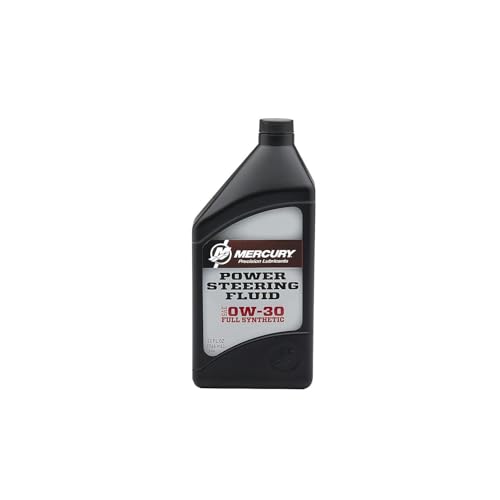
For electric power steering systems such as Verado and JPO
Importance of Adequate Fluid Levels
When your power steering fluid is at the right level, it helps in reducing the effort required to steer your vehicle. This means smoother and more responsive steering, essential for safe driving. Inadequate fluid levels can lead to steering issues, making it harder to maneuver your car, especially at lower speeds or when parking.
Preventing Steering Problems
By regularly checking and maintaining the proper level of power steering fluid, you can avoid potential steering problems. Low fluid levels can result in increased resistance when turning the wheel, causing a strain on the steering system. This can lead to issues such as stiffness in steering, whining or squealing noises when turning, or even leaking fluid.
Ensuring a Comfortable Driving Experience
Maintaining the correct power steering fluid levels is key to ensuring a comfortable driving experience. Proper fluid levels help in keeping the steering system lubricated and functioning smoothly. By addressing any signs of low power steering fluid promptly and topping up the fluid when necessary, you can enjoy a responsive and easy-to-control steering system.
Summary
Keeping an eye on your power steering fluid levels is essential for the overall health of your vehicle’s steering system. By understanding the importance of maintaining adequate fluid levels, you can enjoy a safe and enjoyable driving experience without encountering steering difficulties. Regularly checking and topping up the power steering fluid is a simple yet effective way to ensure optimal performance and prevent potential issues on the road.
Conclusion
Ensuring your car’s power steering fluid levels are adequate is essential for a smooth driving experience. By recognizing the signs of low fluid levels and addressing them promptly, you can maintain optimal steering performance. Remember, a well-maintained power steering system not only reduces steering effort but also enhances your overall driving comfort. Regularly checking and topping up the fluid will help prevent steering issues and keep your vehicle responsive on the road. Stay proactive in caring for your power steering system to enjoy a safe and pleasant driving journey.
Frequently Asked Questions
What is the role of power steering fluid in a car?
Power steering fluid reduces the effort required to steer, making it easier to control the vehicle.
What are the signs of low power steering fluid?
Signs include increased resistance when turning the steering wheel, unusual noises, and visible fluid leaks.
Why is it important to maintain proper power steering fluid levels?
Maintaining proper fluid levels ensures optimal vehicle performance and a smooth steering experience.
How often should power steering fluid be checked and topped up?
Regularly check and top up the power steering fluid to prevent steering problems and maintain a responsive steering system.
