

Ever wondered where to change your power steering fluid? Picture this: you’re cruising down the road, and suddenly, you notice your steering feels a bit off. Could it be time for a power steering fluid change? Knowing where to change this vital fluid can save you time, money, and keep your car running smoothly.
In this article, you’ll discover the key locations where you can change your power steering fluid. By understanding the process and knowing where to find the right resources, you’ll be equipped to tackle this maintenance task with confidence. Stay tuned to learn the ins and outs of changing your power steering fluid and ensure your vehicle stays in top-notch condition.
Key Takeaways
- Maintaining power steering fluid is crucial for optimal steering performance, preventing costly repairs, enhancing longevity, avoiding failures, improving fuel efficiency, and ensuring a smooth driving experience.
- Deciding where to change power steering fluid involves choosing between a mechanic for expertise or DIY for cost savings, convenience, learning opportunity, and personalization.
- Essential tools and equipment for changing power steering fluid include a socket set, pliers, turkey baster, funnel, rags, power steering fluid, fluid catch pan, jack stands, latex gloves, safety glasses, and wheel chocks.
- Locating the power steering fluid reservoir in different car models is essential for easy access and maintenance.
- Signs indicating that power steering fluid needs changing include difficulty steering, noisy steering, leaking fluid, dirty fluid, erratic steering response, and dashboard warning lights.
- Regularly monitoring and addressing power steering fluid issues promptly can help maintain steering performance and ensure safety on the road.
Importance of Maintaining Power Steering Fluid
Understanding the significance of keeping your power steering fluid in good condition is vital for your vehicle’s health. Here’s why:
- Optimal Steering Performance:
- Your power steering system relies on fluid to function smoothly.
- Without proper fluid levels, steering becomes challenging and may lead to safety issues.
- Prevent Costly Repairs:
- Regularly changing your power steering fluid prevents wear and tear on the system.
- This maintenance routine can save you from expensive repairs down the road.
- Enhanced Longevity:
- Fresh fluid lubricates the steering components, extending their lifespan.
- By maintaining the fluid, you’re ensuring the longevity of your steering system.
- Avoiding Failures:
- Old, contaminated fluid can cause system failures.
- Stay on top of your power steering fluid changes to prevent unexpected breakdowns.
- Improved Fuel Efficiency:
- A well-maintained power steering system operates more efficiently.
- This efficiency can contribute to better fuel mileage for your vehicle.
- Smooth Driving Experience:
- Fresh fluid promotes smoother steering operation.
- Enjoy a comfortable driving experience by maintaining your power steering fluid regularly.
Remember, by staying proactive in changing your power steering fluid, you not only ensure your safety on the road but also prolong the life of your vehicle’s steering components. Regular maintenance is key to keeping your car in optimal condition.
Mechanics vs. DIY: Where to Change Power Steering Fluid
When deciding where to change your power steering fluid, you have two main options: visiting a mechanic or doing it yourself. Each choice comes with its own set of considerations and benefits.
Recommended Products

LONGER REACH - Equipped with two 12-inch extension hard tubes and a 23-inch flexible silicone hose, this oil syringe tool extends over 50 inches, making it effortless to access tight spots in cars, trucks, and motorcycles
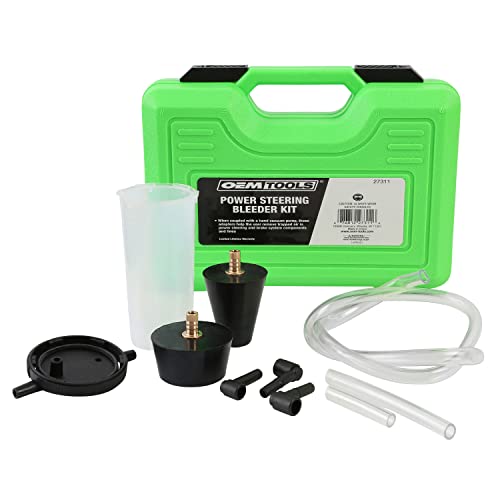
Removes Trapped Air: Brake bleeding kit helps eliminate trapped air from power steering and brake lines after fluid changes, preventing pump noise, steering issues, and component damage.

REDUCES NOISE AND SMOOTHES OUT HARD STEERING: A unique dual cavity bottle containing a combination of the best performance additives to repair the most common power steering fluid related problems.
Going to a Mechanic
If you prefer leaving car maintenance tasks to professionals, visiting a mechanic for power steering fluid change is a reliable option. Mechanics have the expertise, tools, and experience to perform the task efficiently and effectively. Here are some advantages of choosing a mechanic:
- Expertise: Mechanics are trained professionals who specialize in maintaining and repairing vehicles, ensuring that your power steering fluid is changed correctly.
- Equipment: They have access to specialized equipment necessary for the job, such as lift systems and proper disposal methods for old fluid.
- Inspection: Mechanics can inspect your power steering system for any potential issues beyond just changing the fluid, helping prevent future problems.
- Warranty: Some mechanics may offer warranties for their services, giving you peace of mind regarding the quality of work done.
Doing It Yourself (DIY)
If you enjoy working on your car and have some mechanical skills, changing your power steering fluid yourself could be a rewarding experience. Here’s why you might consider the DIY approach:
- Cost Savings: Doing it yourself eliminates labor costs, making it a more budget-friendly choice if you have the necessary tools.
- Convenience: You can change the fluid at your convenience without scheduling appointments or visiting a mechanic, saving you time.
- Learning Opportunity: DIY projects can help you understand your vehicle better, enhancing your overall car maintenance knowledge.
- Personalization: You can choose the specific type and brand of power steering fluid you want to use, tailoring it to your preferences.
Deciding where to change your power steering fluid ultimately depends on your comfort level with car maintenance tasks, available time, and budget. Whether you opt for a mechanic’s expertise or tackle the job yourself, ensuring regular maintenance will keep your car performing at its best.
Tools and Equipment Needed for Changing Power Steering Fluid
To successfully change your power steering fluid, you’ll need to gather the following tools and equipment. Make sure you have everything ready before you start the process.
Recommended Products

🚀 500CC HIGH-CAPACITY FLUID EXTRACTOR PUMP Upgrade your maintenance toolkit with the Tuewuqo 500cc oil extractor pump. Designed for maximum efficiency, this large black manual syringe allows you to extract or dispense more liquid per stroke, significantly reducing the time spent on fluid changes compared to standard 200cc models.
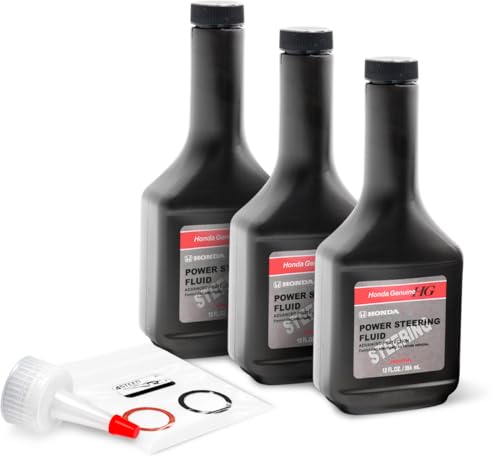
TOP QUALITY / GUARENTEED【Interchange Part Number】: 08206-9002A, 08206-9002, 08206-9002PE, 91345-RP6-A01, 91370-SV4-000, 91370-TA0-000, 91345-R70-P01, 91345-R70-A11, 91345-RDA-A01, 91370-SV4-000, 91345-PDA-E01, 91345-PAA-A01,

Engineered Stop Leak Protection: Specially formulated to condition and rejuvenate worn seals, helping stop existing leaks and preventing future fluid loss for smoother steering performance
Tools:
- Socket Set: This versatile tool is crucial for removing parts like the hose clamp and cover on the power steering reservoir.
- Pliers: Handy for gripping and turning small components during the fluid change.
- Turkey Baster or Siphon Pump: Helps extract the old fluid from the reservoir with ease.
- Funnel: Essential for pouring the new fluid accurately to avoid spills.
- Rags or Shop Towels: Keep these nearby to wipe up any spills or mess during the process.
- Power Steering Fluid: Ensure you have the correct type recommended for your vehicle. Check your owner’s manual for specifications.
- Fluid Catch Pan: You’ll need this to collect the old fluid as it drains out.
- Jack Stands: Safety first! These are necessary for lifting your vehicle to access the power steering components.
- Latex Gloves: Protect your hands from the fluid and any dirt or grime.
- Safety Glasses: Shield your eyes in case of splashes or spills.
- Wheel Chocks: Prevent the vehicle from rolling while it’s lifted.
Having these tools and equipment on hand will make the power steering fluid change process smoother and more efficient. Always prioritize safety and follow the recommended guidelines for your specific vehicle model.
Locating the Power Steering Fluid Reservoir in Different Car Models
Knowing where the power steering fluid reservoir is located in your car is crucial for maintaining optimal performance. Here’s how to find it in various car models:
Recommended Products

COMPATIBILITY: Direct fit replacement for Honda Accord L4 2.4L and 3.0L models from 2003-2007, replacing part number 53701-SDA-A01

[Vehicle Fitment]: Compatible with Chevrolet Express 1500 2003-2014, Express 2500 2003-2023, Express 3500 2003-2023, Express 4500 2009-2019 --- EXCEPT THE MODEL WITH LEVEL SIGHT POWER STEERING FLUID RESERVOIR

Direct replacement - this power steering fluid reservoir fits and functions like original equipment for a trouble-free installation
Sedans:
- Under the Hood: In most sedans, you can locate the power steering fluid reservoir under the hood. Look for a small container with a twist-off cap labeled “Power Steering Fluid.”
SUVs:
- Near the Engine: SUVs often have the power steering fluid reservoir situated near the engine. It is typically a small container that can be easily accessed for checking and refilling.
Trucks:
- Driver’s Side: For trucks, the power steering fluid reservoir is commonly found on the driver’s side of the vehicle. It is usually marked with “Power Steering Fluid” for easy identification.
Coupes:
- Front of the Engine: In coupes, you’ll typically find the power steering fluid reservoir located at the front of the engine compartment. It may be a translucent container with markings indicating the fluid level.
Hatchbacks:
- Beside the Engine: Hatchbacks often house the power steering fluid reservoir beside the engine. It’s usually a clear or opaque container that allows you to monitor the fluid level visually.
- Alongside the Battery: Sports cars may position the power steering fluid reservoir alongside the battery or in proximity to it. Look for a container marked for power steering fluid.
By familiarizing yourself with the location of the power steering fluid reservoir in your specific car model, you can easily check the fluid level and top it up when needed. Remember to consult your vehicle’s manual for precise guidance on locating and maintaining the power steering fluid reservoir.
Signs That Indicate Your Power Steering Fluid Needs Changing
Spotting signs that your power steering fluid requires changing is crucial for maintaining your car’s performance. A few indicators can signal when it’s time to replace the power steering fluid in your vehicle.
- Difficulty Steering: If you notice it’s become hard to turn the steering wheel smoothly, this could be a sign that your power steering fluid needs attention. You might feel increased resistance or hear a whining noise when steering.
- Noisy Steering: A telltale sign of old or insufficient power steering fluid is a squealing or whining noise when turning the steering wheel. This noise can indicate that the fluid is no longer effectively lubricating the system.
- Leaking Fluid: Check under your car for any signs of power steering fluid leaks. Puddles or drips under the front of your vehicle could mean a leak in the power steering system, prompting a fluid change.
- Dirty Fluid: Over time, power steering fluid can collect dirt and debris, causing it to become dark or gritty. Inspect the fluid’s color and texture; if it appears dirty, it’s likely time for a change.
- Erratic Steering Response: When your steering feels inconsistent or unpredictable, this could be due to old or contaminated power steering fluid affecting the system’s efficiency.
- Dashboard Warning Light: Some modern cars are equipped with sensors that detect issues with the power steering system. If a dashboard warning light related to power steering illuminates, it’s advisable to check the fluid level and condition.
By recognizing these signs early on, you can stay ahead of potential power steering problems and ensure smooth and safe driving. Regularly monitoring your power steering fluid and addressing any issues promptly can help maintain your vehicle’s steering performance and overall safety on the road.
Conclusion
Knowing where to change power steering fluid is crucial for optimal car performance. Understanding the process and recognizing signs of needed maintenance can prevent potential steering issues and ensure safe driving. Whether you choose to visit a mechanic or tackle the task yourself, having the right tools is essential. By staying proactive and addressing any issues promptly, you can maintain smooth steering and enhance overall safety on the road. Remember, taking care of your power steering system is a simple yet effective way to keep your vehicle running smoothly.
Frequently Asked Questions
Where can I change power steering fluid?
You can change power steering fluid at a mechanic’s shop or do it yourself at home. Be sure to follow the specific steps outlined in your car manual for the best results.
What are the benefits of changing power steering fluid?
Changing power steering fluid can help maintain smooth steering, prevent potential steering problems, and ensure safety while driving. It also prolongs the lifespan of your power steering system.
What are the signs indicating the need to change power steering fluid?
Signs include difficulty steering, noisy steering, leaking fluid, dirty fluid, erratic steering response, and dashboard warning lights. If you notice any of these signs, consider changing the power steering fluid promptly.
