

Ever wondered if you can swap power steering fluid for brake fluid in a pinch? Picture this: you’re in your garage, about to tackle a brake issue, and suddenly realize you’re out of brake fluid. What do you do next? Can you use power steering fluid as a substitute?
In this article, we’ll explore whether using power steering fluid as brake fluid is a viable solution or a recipe for disaster. You’ll discover the potential risks and consequences of this substitution and gain insights into why it’s crucial to use the right fluid for each specific automotive system. Stay tuned to ensure you’re equipped with the knowledge to make informed decisions when faced with a fluid dilemma in your vehicle.
Key Takeaways
- Power steering fluid and brake fluid serve different purposes in a vehicle’s systems, with specific compositions, functions, and compatibility requirements.
- Mixing or substituting power steering fluid for brake fluid can lead to compromised steering and braking performance, jeopardizing safety on the road.
- Brake fluid is specifically designed to withstand high temperatures and pressures in brake systems, ensuring efficient braking responses and safety.
- Always adhere to manufacturer recommendations and use the correct fluid for each system to maintain operational efficiency, prolong component life, and uphold safety standards.
- Regular inspections, proper fluid replacement, and adherence to manufacturer guidelines are crucial for maintaining the optimal performance and safety of power steering and brake systems in vehicles.
- Symptoms indicating issues with power steering or brake systems should be addressed promptly to prevent safety hazards and ensure a smooth driving experience.
Understanding Power Steering Fluid and Brake Fluid
Let’s delve into the distinctions between power steering fluid and brake fluid to grasp their specific roles in your vehicle’s systems; understanding these differences is crucial for proper maintenance and safety measures.
Power Steering Fluid:
In the realm of vehicle maintenance, power steering fluid serves a specialized purpose. It facilitates smooth and controlled steering by transmitting power in the steering system. Specifically designed to handle the demands of power steering mechanisms, this fluid ensures efficient operation without compromising steering performance.
Brake Fluid:
On the other hand, brake fluid plays a critical role in your vehicle’s braking system. It transmits force from the brake pedal to the braking components, enabling effective stopping power. Brake fluid operates under high temperatures and pressure, maintaining hydraulic pressure for swift and reliable braking responses.
By acknowledging the distinct functions of power steering fluid and brake fluid, you can appreciate why using the correct fluid for each system is paramount. Mixing these fluids or using them interchangeably could compromise the effectiveness and safety of your vehicle’s steering and braking mechanisms. It’s essential to adhere to manufacturer recommendations and utilize the designated fluids for optimal performance and safety standards.
Remember, ensuring the right fluid in each system maintains operational efficiency, prolongs component life, and most importantly, upholds your safety on the road. Stay informed about your vehicle’s maintenance requirements to make informed decisions and safeguard your driving experience.
Differences Between Power Steering Fluid and Brake Fluid
Understanding the variances between power steering fluid and brake fluid is crucial to maintain your vehicle’s safety and optimal performance. Here’s a concise breakdown of the distinctions:
- Composition
- Power steering fluid: Designed to transmit power in the steering system, it typically contains oil or synthetic compounds.
- Brake fluid: Formulated to transmit force in the brake system, it comprises glycol-ether, glycol-ether borate esters, or silicone-based compounds.
- Purpose
- Power steering fluid: Helps in the smooth operation of the steering mechanism by reducing friction.
- Brake fluid: Facilitates the transfer of hydraulic pressure in the brake system to enable effective braking.
- Viscosity
- Power steering fluid: Has a specific viscosity rating tailored for the steering system’s requirements.
- Brake fluid: Requires a specific viscosity to ensure proper transmission of hydraulic pressure for braking.
- Temperature Tolerance
- Power steering fluid: Operates within a certain temperature range to maintain steering efficiency.
- Brake fluid: Must withstand high temperatures generated during braking to prevent brake failure.
- Compatibility
- Power steering fluid: Engineered for the power steering system and not interchangeable with brake fluid.
- Brake fluid: Specifically formulated for braking systems, and using power steering fluid can compromise brake performance.
- Safety Implications
- Mixing or substituting power steering fluid for brake fluid can lead to brake system failure, jeopardizing safety.
- Adhering to manufacturer specifications for each fluid type is crucial for vehicle safety and performance.
Knowing the unique properties and functions of power steering fluid and brake fluid will help you make informed decisions regarding your vehicle’s maintenance. Always follow manufacturer guidelines and use the correct fluid for each system to ensure safe and efficient operation on the road.
Recommended Products

Mixes well with conventional fluids

Ideal for hydraulic and disc brakes

Provides an extra margin of safety in extreme braking conditions (packaging may vary)
Risks of Using Power Steering Fluid as Brake Fluid
Using power steering fluid as brake fluid can lead to serious risks and potential safety hazards in your vehicle. Here’s why it’s crucial to avoid substituting these fluids:
- Inadequate Performance:
- Power steering fluid is not formulated to handle the high pressures and temperatures that brake systems endure during operation.
- Brake fluid is specifically designed to maintain performance under extreme conditions, ensuring proper brake function when you need to stop quickly.
- Reduced Braking Effectiveness:
- Power steering fluid lacks the necessary properties, such as high boiling points and corrosion inhibitors, essential for efficient brake operation.
- Brake fluid’s composition enables it to transfer force from the brake pedal to the brake components effectively, ensuring reliable braking performance.
- Safety Concerns:
- Using power steering fluid in your brake system can compromise your vehicle’s ability to stop promptly and safely.
- In emergency braking situations, the inadequate performance of power steering fluid may lead to brake failure, jeopardizing your safety and that of others on the road.
- Damage to Brake Components:
- Power steering fluid can cause damage to the seals, hoses, and other components of the brake system designed to work with brake fluid.
- The corrosive nature of power steering fluid can lead to deterioration of critical brake parts, risking the overall integrity of the braking system.
- Manufacturer Specifications:
- Vehicle manufacturers specify the type of brake fluid to use based on the system’s requirements and compatibility with brake components.
- Deviating from these recommendations by using power steering fluid can void warranties and result in costly repairs due to damage caused by the improper fluid.
To ensure your safety on the road and maintain your vehicle’s braking system’s integrity, always use the appropriate brake fluid recommended by your vehicle’s manufacturer. Avoid the risks associated with using power steering fluid in place of brake fluid to prevent potential accidents and costly repairs.
Recommended Products
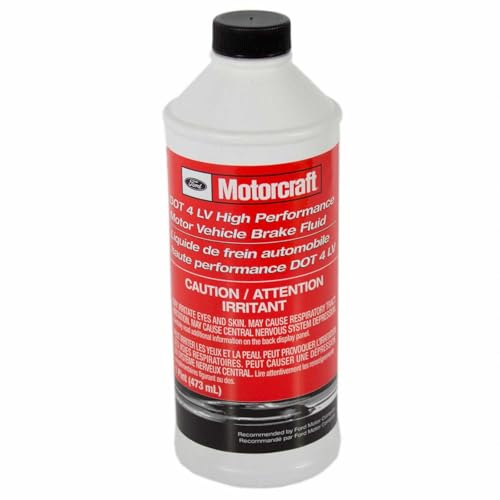
New low viscosity formulation, faster response at lower temperatures
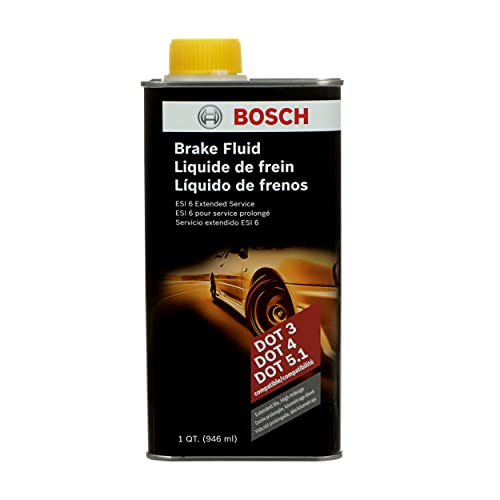
[NEXT GENERATION FLUID] - Bosch ESI6 is a next generation brake fluid designed for today's modern braking systems and is the first fluid to simultaneously combine both low viscosity and high wet boiling point (365 Degrees Fahrenheit)

Genuine Honda part that fits your specific vehicle
Proper Maintenance of Power Steering and Brake Systems
To ensure the optimal performance of your vehicle’s power steering and brake systems, it’s crucial to follow proper maintenance practices. These systems play a fundamental role in the safe operation of your car, so keeping them in top condition is essential for your safety on the road.
Recommended Products

50,000 mile fluid life

Engineered Stop Leak Protection: Specially formulated to condition and rejuvenate worn seals, helping stop existing leaks and preventing future fluid loss for smoother steering performance

Formulated with a blend of special oils and petroleum-extracted additives
Regular Inspections
Routine inspections of both the power steering and brake systems are vital. You should check the fluid levels regularly to ensure they are within the recommended range. Low fluid levels can lead to system malfunctions and compromise your ability to steer or brake effectively.
Fluid Replacement
When it comes to fluid replacement, it’s essential to use the correct type of fluid specified by the manufacturer for each system. Using power steering fluid in place of brake fluid, or vice versa, can have detrimental effects on system performance and safety. Always refer to your vehicle’s manual for the right fluid recommendations for your power steering and brake systems.
Professional Maintenance
For more complex maintenance tasks, such as flushing the power steering or brake systems, it’s best to seek the expertise of a qualified mechanic. They have the knowledge and tools to perform these tasks correctly, ensuring the optimal performance and longevity of your vehicle’s systems.
Symptoms to Watch Out For
Be attentive to any unusual symptoms that may indicate issues with your power steering or brake systems. Warning signs such as difficulty steering, spongy brakes, or fluid leaks should never be ignored. Addressing these symptoms promptly can prevent more significant problems and maintain the safety of your vehicle.
Importance of Manufacturer Recommendations
Manufacturers provide specific guidelines for the maintenance of power steering and brake systems to guarantee optimal performance and safety. By adhering to these recommendations, you can prolong the lifespan of your vehicle’s systems and minimize the risk of breakdowns or safety hazards on the road.
By following these maintenance tips and staying vigilant of any signs of trouble with your power steering and brake systems, you can ensure a safe and smooth driving experience. Proper maintenance is key to preserving the integrity of these critical components in your vehicle.
Conclusion
You now understand the vital distinctions between power steering fluid and brake fluid, each serving a unique purpose in your vehicle. Remember, using power steering fluid as brake fluid can jeopardize safety and performance. To keep your vehicle running smoothly, prioritize regular maintenance for your power steering and brake systems. Stay vigilant for any signs of trouble, and always use manufacturer-recommended fluids. By following these simple steps, you’ll ensure a safe and enjoyable driving experience while safeguarding your vehicle’s crucial components.
Frequently Asked Questions
Q: What are the main differences between power steering fluid and brake fluid?
A: Power steering fluid is designed to transmit power in steering mechanisms, while brake fluid is intended for hydraulic braking systems. Using power steering fluid in place of brake fluid can lead to safety hazards and performance issues due to different compositions and functions.
Q: Why is it crucial not to substitute power steering fluid with brake fluid?
A: Using power steering fluid instead of brake fluid can compromise braking efficiency and safety. Brake fluids have specific properties to handle high temperatures and pressures, ensuring reliable braking performance. Substituting with power steering fluid may result in brake failure and void warranties.
Q: How can vehicle owners ensure the proper maintenance of power steering and brake systems?
A: Regularly inspecting power steering and brake systems, following manufacturer-recommended fluid specifications, and seeking professional maintenance for complex tasks are crucial. Monitoring for symptoms of issues, such as fluid leaks or unusual noises, and adhering to manufacturer guidelines for optimal performance and safety are essential practices for vehicle maintenance.
